
Last updated October 15, 2026
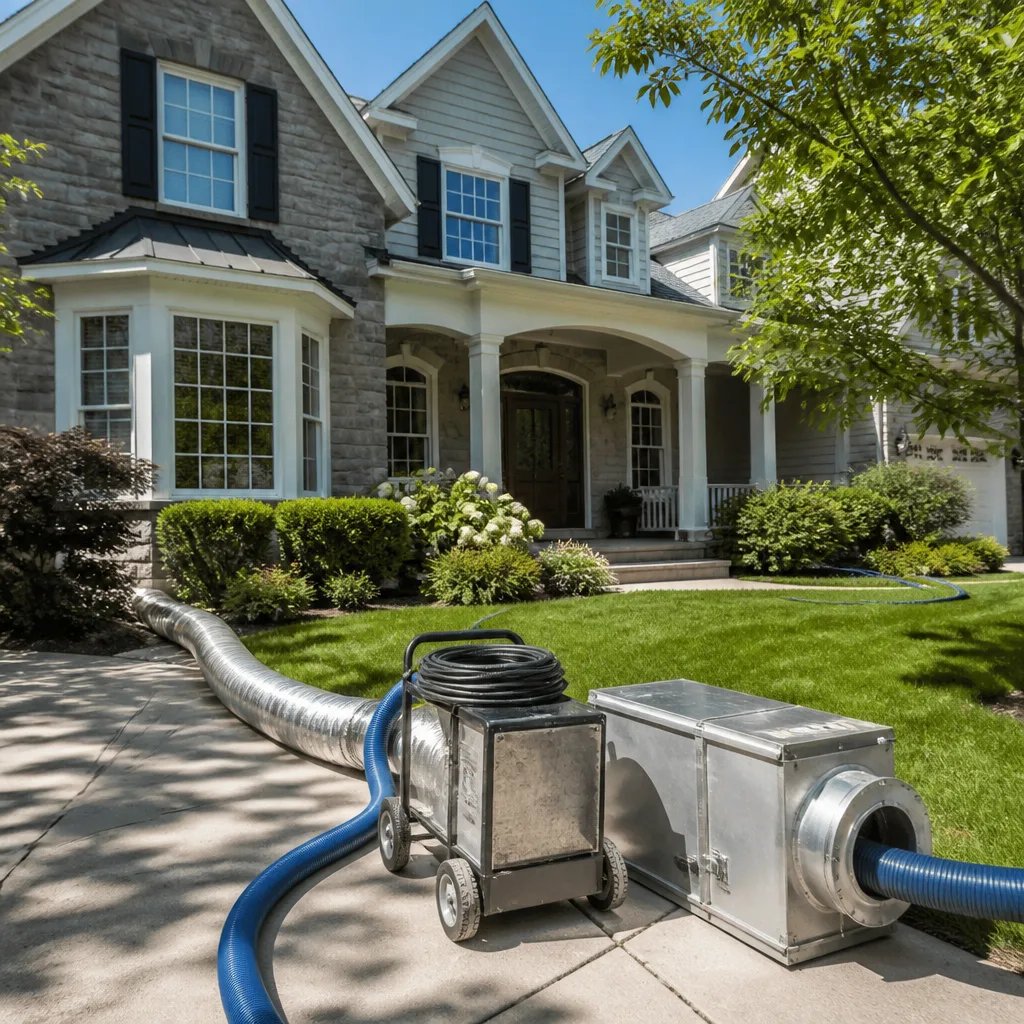 Whole-home duct cleaning
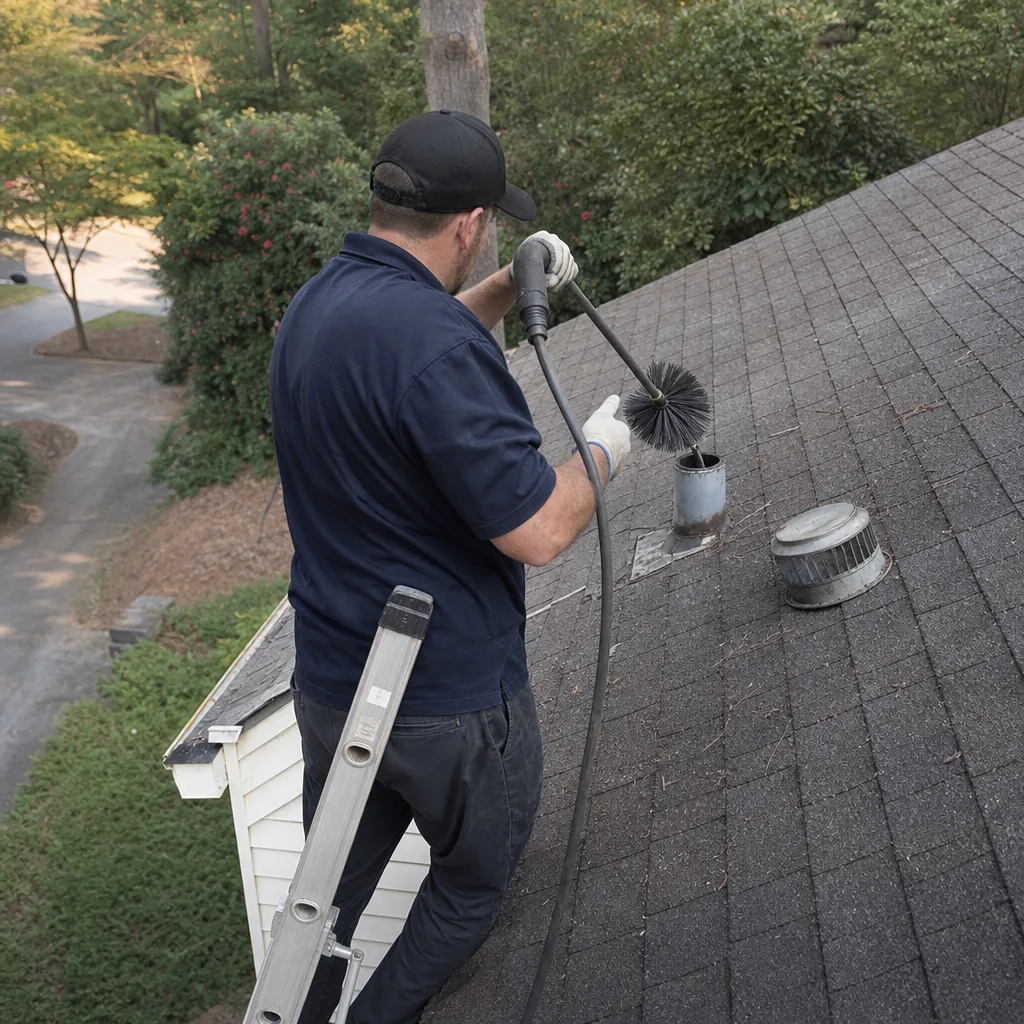
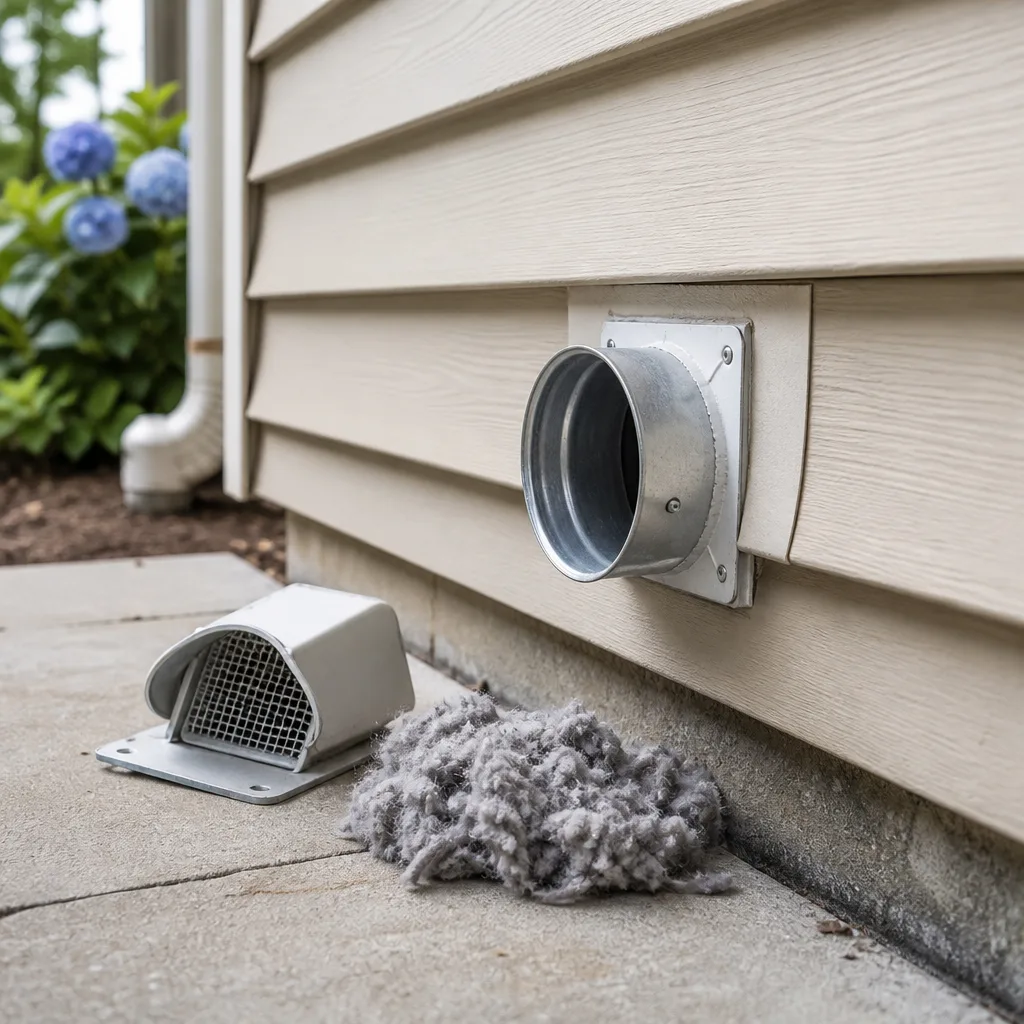 Dryer vent cleaning
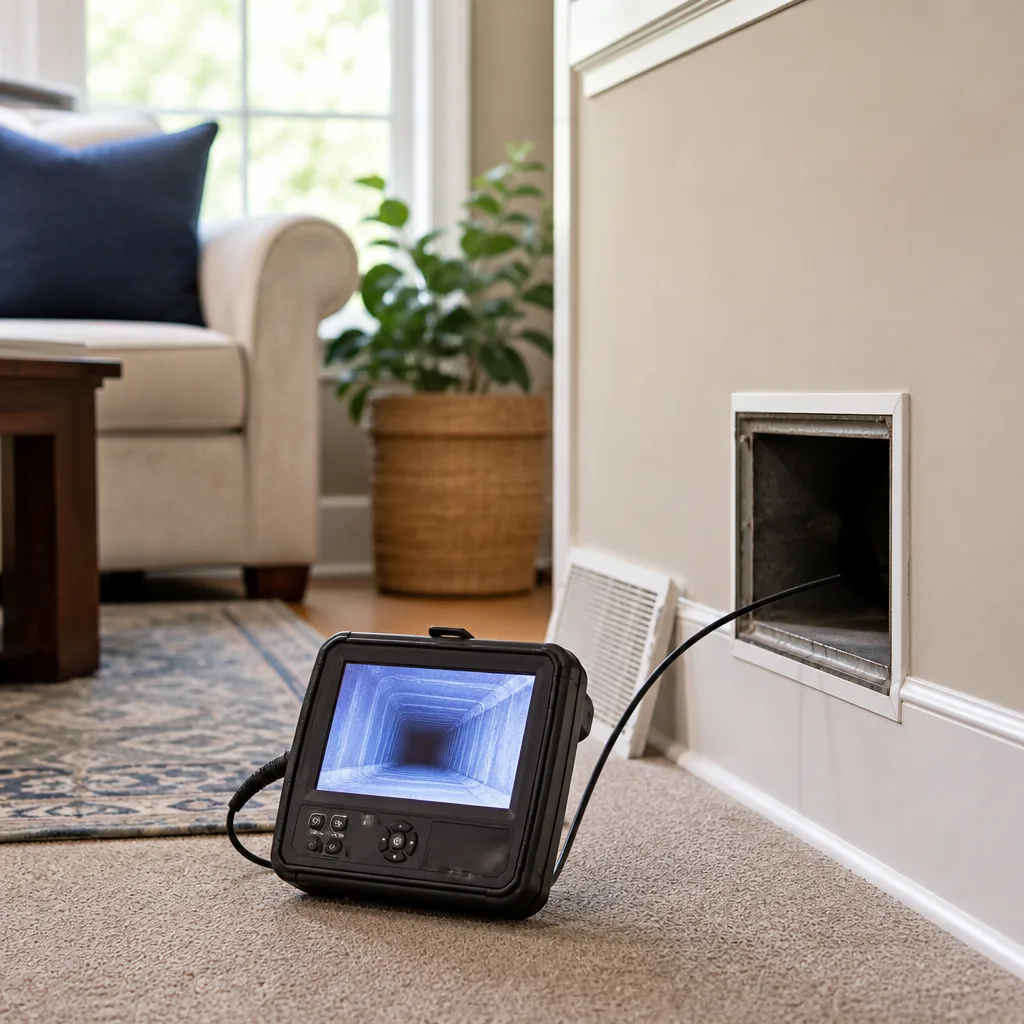 Camera inspection
 Sanitizing & deodorizing
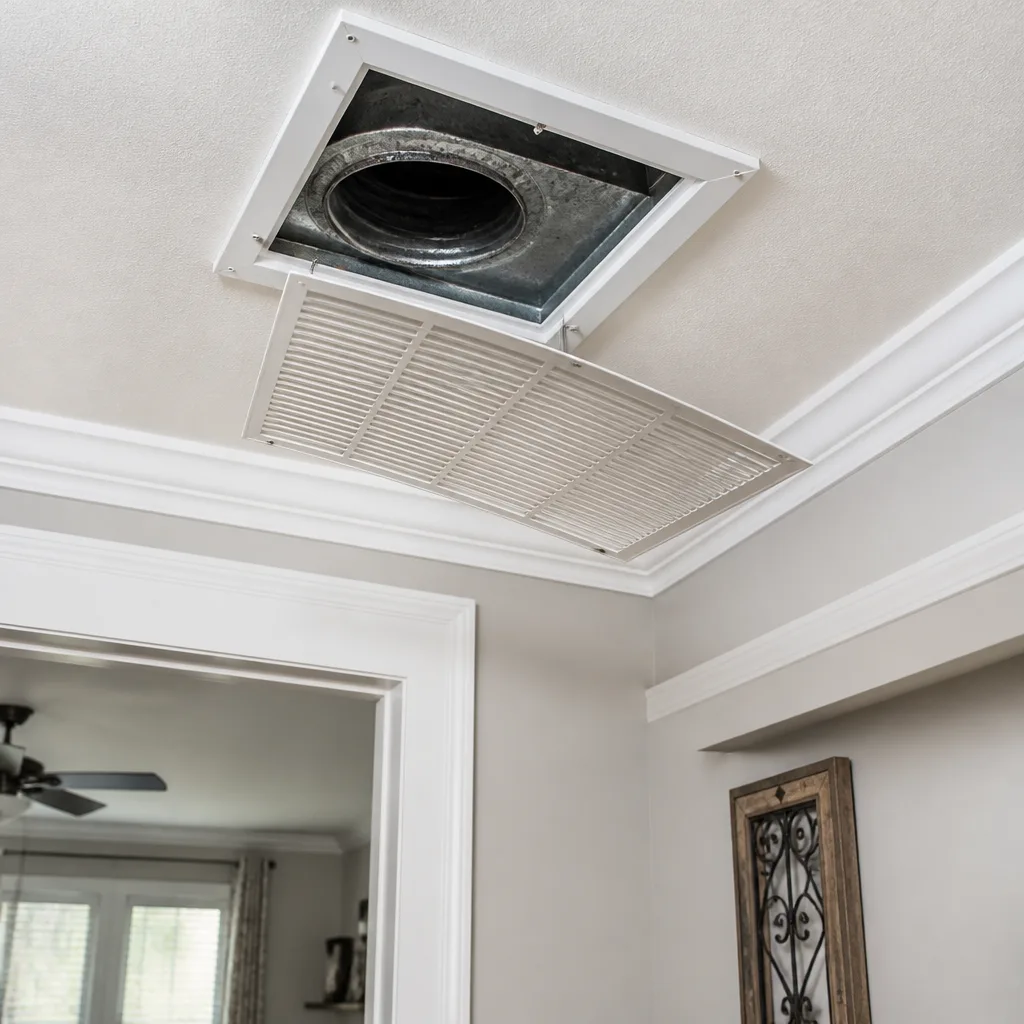
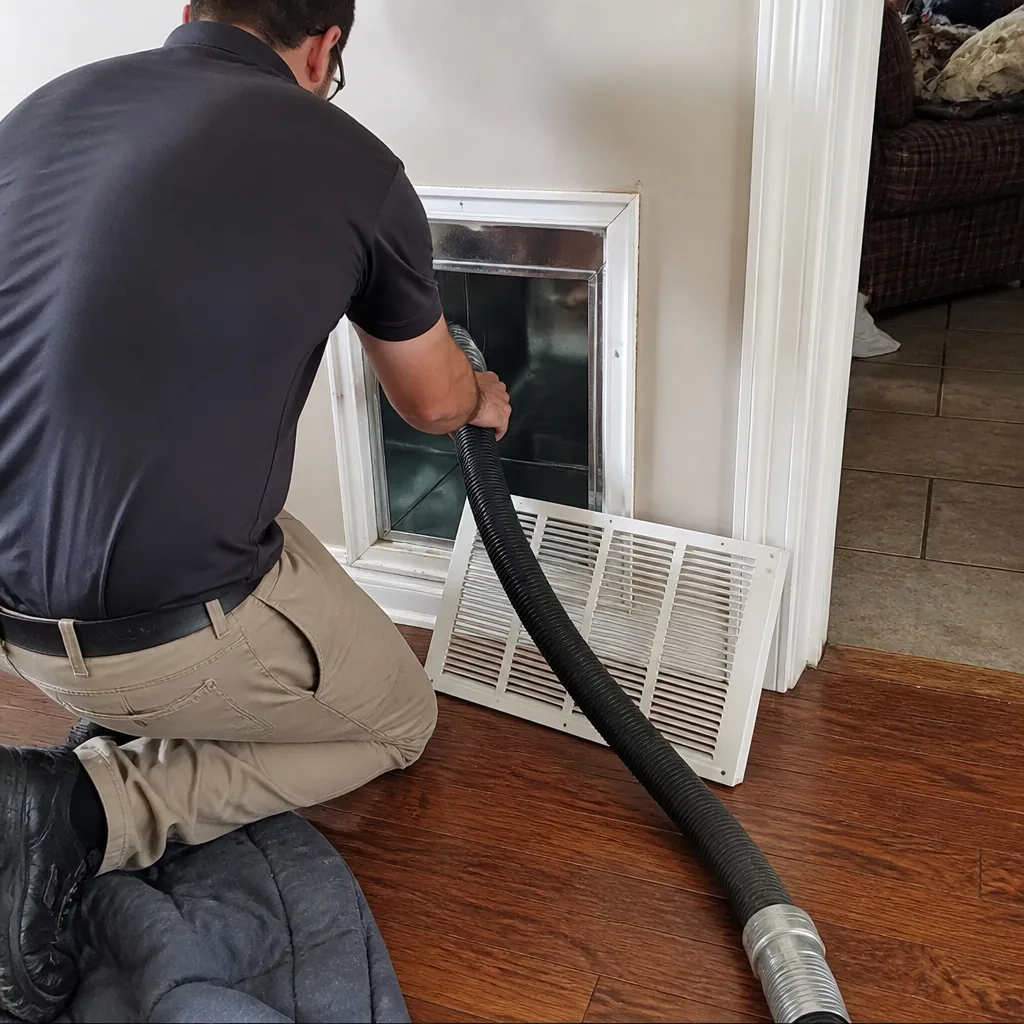
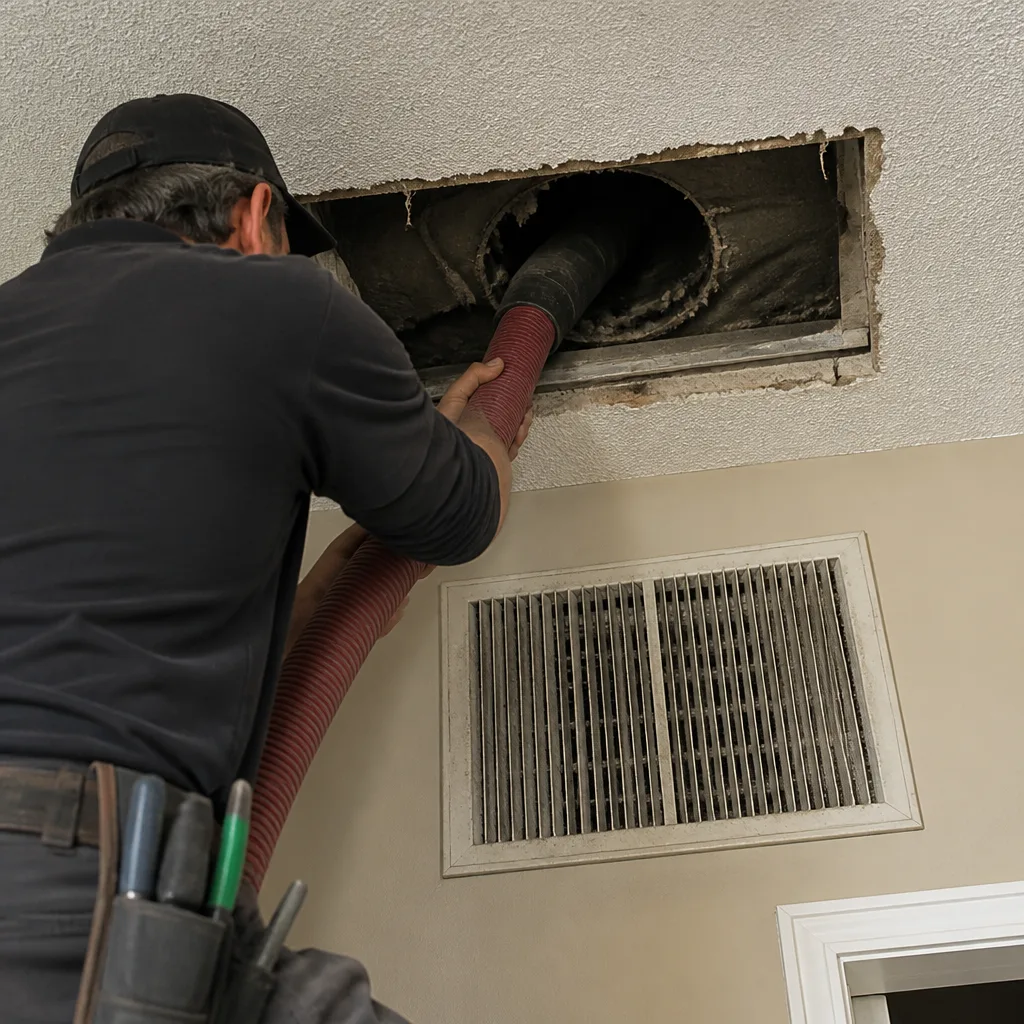
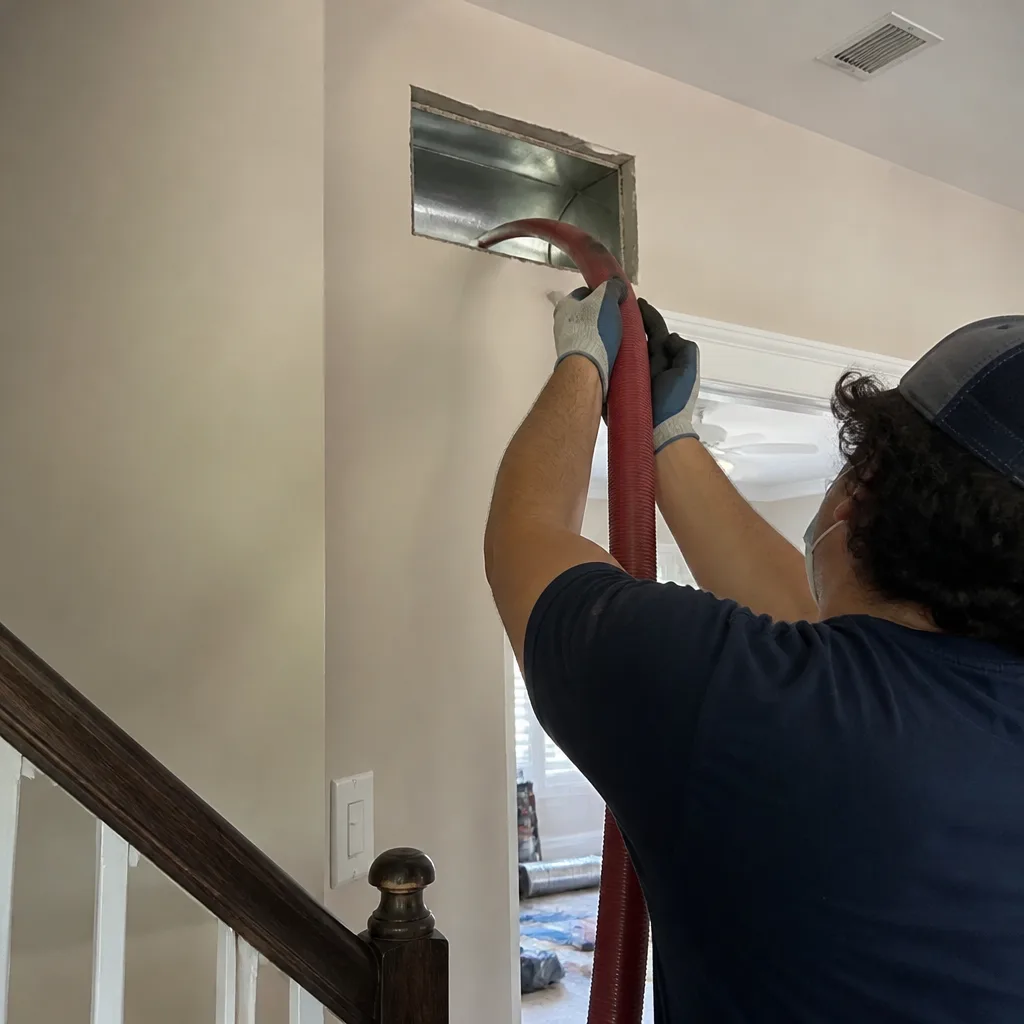
Whole-system duct and dryer vent check with before-and-after photos - you see exactly what came out of your vents
That "$99 whole-house special" is a bait ad - the real number appears once they are in your hallway, or the "clean" is a shop-vac at the register. We photograph the inside of your ducts before and after instead.
Seasonal Air Duct Cleaning Care for Sandy Springs: Year-Round Homeowner’s Guide
Sandy Springs recorded some of the highest pollen counts in the country during recent springs. That yellow film on your car is only part of the story. The same pollen enters your home through return air pathways, settles inside ductwork, and accumulates at a rate that makes the generic “clean every three to five years” advice too slow for many Sandy Springs homes. This guide explains what each season does to your duct system here, what to check, and how to decide when professional Air Duct Cleaning services are actually due.
Quick Answer
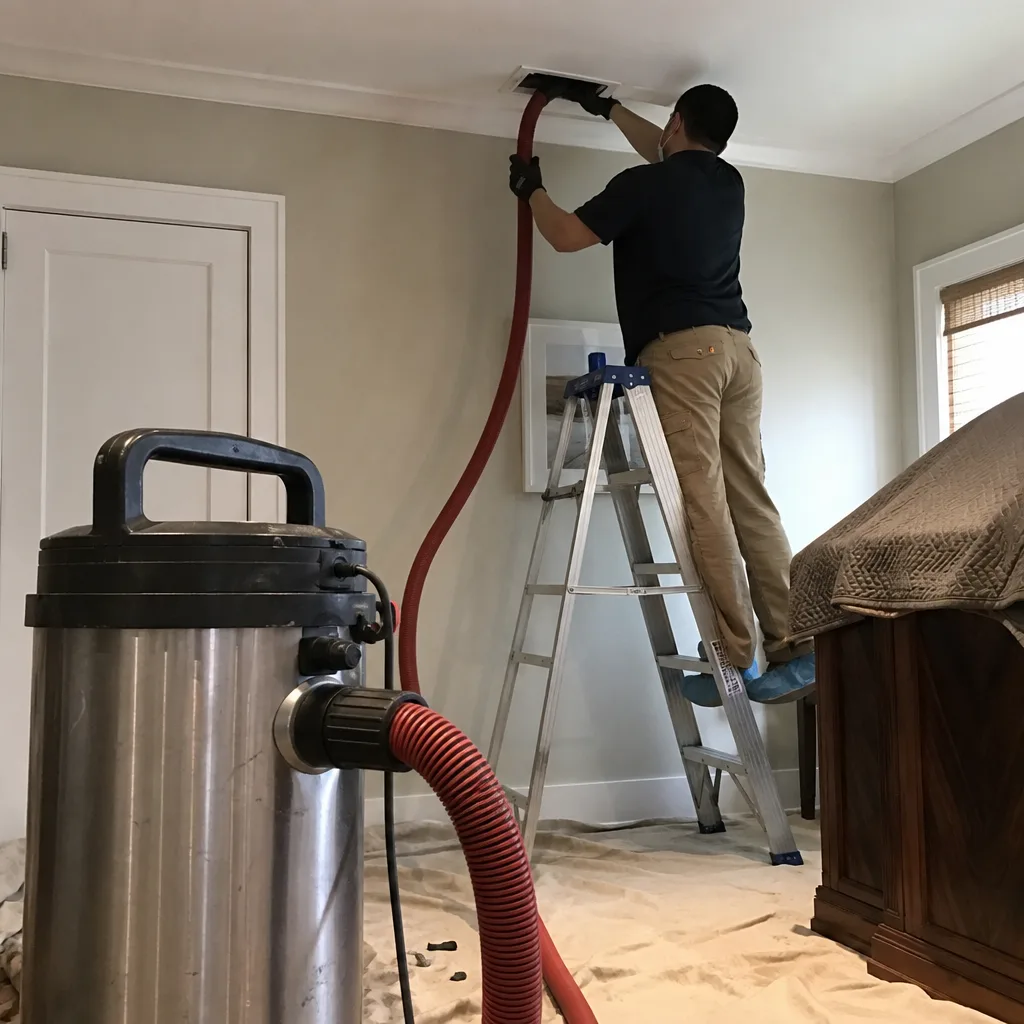
In Sandy Springs, seasonal air duct cleaning care means adjusting what you inspect and when: check return duct loading after spring pollen peaks in April, watch for condensation-related odors inside registers during humid summer months, clear outdoor unit surroundings in fall before heating season starts, and investigate any musty smell on first heat in winter. A year-round observation routine beats a fixed calendar interval in our climate, and most Sandy Springs homes benefit from a professional air duct cleaning in Sandy Springs every 2 to 4 years depending on what each season reveals.
Styles & brands we work with
Table of Contents
- Spring: Pollen Loading and Return Duct Pressure
- Summer: Humidity, Flex Ducts, and Condensation
- Fall: Outdoor Debris and Pre-Heating Preparation
- Winter: Heating Mode and Airflow Direction Changes
- A Seasonal Care Calendar for Sandy Springs
- Common Mistakes to Avoid
- When to Call a Professional
- Frequently Asked Questions
Spring: Pollen Loading and Return Duct Pressure
Spring in Sandy Springs is pollen season in a way that most of the country never experiences. From late February through May, pine, oak, and hickory pollen move through the air in volumes that coat outdoor surfaces within hours. Your HVAC system pulls that air through return ducts every time it runs, and the filter only catches what passes through it. What gets past the filter, or what settles in the return duct before reaching it, stays in the system.
The return side of your duct system carries air from your living spaces back to the air handler. In spring, this return pathway becomes the primary loading point for pollen in Sandy Springs homes. The standard national guideline suggesting duct cleaning every three to five years assumes average outdoor particulate levels. Our spring pollen counts run far above that average, which means return ducts in Sandy Springs load faster than the guideline accounts for.
What to Check After Pollen Season Peaks
- Return grilles and the wall or ceiling around them. A visible gray-yellow film on the grille means the return duct behind it is carrying the same material.
- Filter condition after 30 days. If a standard 1-inch filter looks packed with yellow-green material after a month in April, the return duct upstream of it is holding more.
- Dust accumulation on surfaces within 48 hours of cleaning. Heavy spring pollen loading often correlates with faster re-dusting indoors, a sign that return ducts are releasing particulate back into living spaces.
If two or more of these signs appear during a single spring, the standard cleaning interval for your home has likely shortened. In our experience working in Sandy Springs neighborhoods like Dunwoody Panhandle and Riverside, homes with mature pine and oak within 30 feet of the structure show the fastest spring return duct loading. One spring of heavy accumulation does not automatically mean cleaning is required, but it does mean this season is doing more work on your system than a typical one.
Summer: Humidity, Flex Ducts, and Condensation
Sandy Springs summers are hot and humid, regularly pushing dew points into the low 70s. That humidity drives what happens inside flexible ductwork, which is common in homes across the area. Flex duct has an inner liner, insulation, and an outer vapor barrier. When humid air meets cold duct surfaces inside unconditioned spaces like attics, condensation forms. That moisture creates conditions where dust already in the ducts becomes damp and sticky, and organic material can begin to develop within the duct interior.
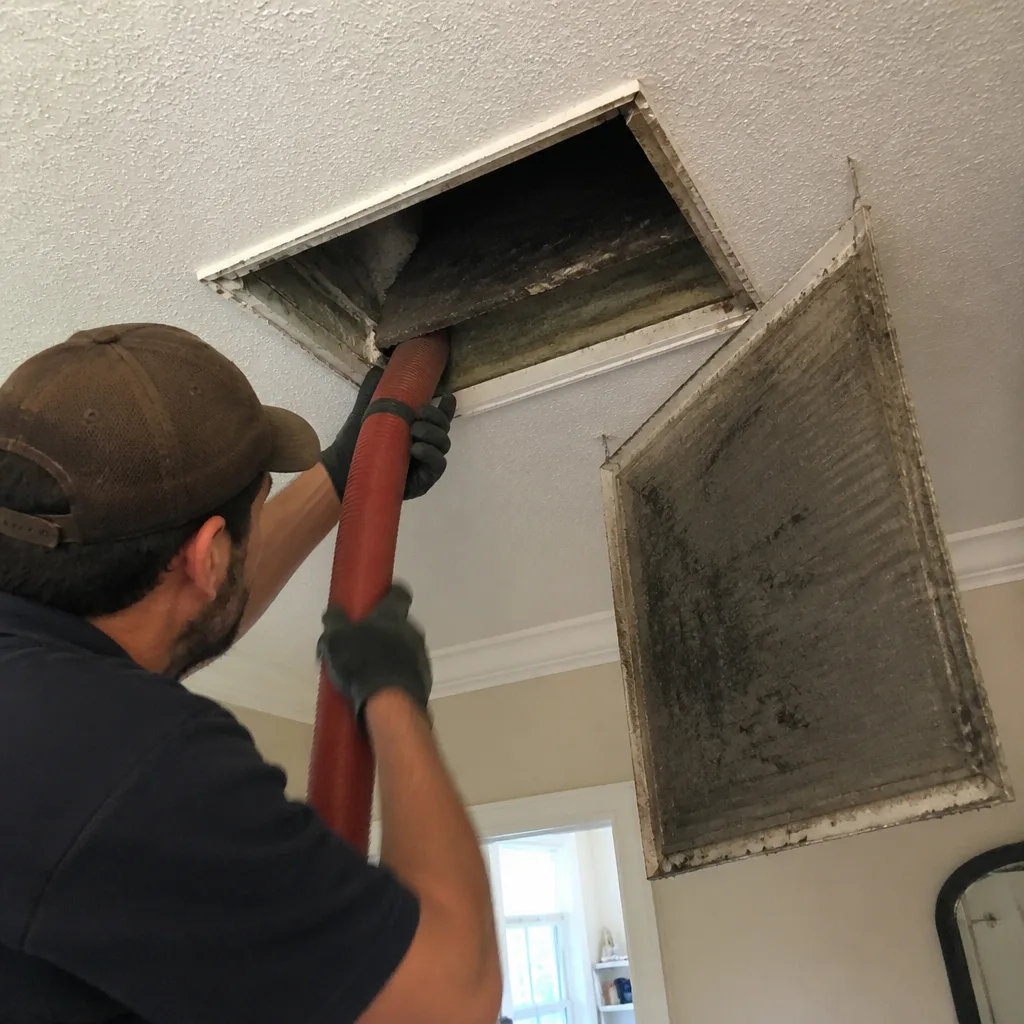
Condensation inside ducts is not always visible. The signs usually show up at the registers first. Dark spotting or staining around the edges of supply registers during summer months often indicates moisture has been present inside the duct run. A musty smell that appears when the system starts cooling and fades as it runs can also point to damp dust and debris inside duct interiors. Neither condition is normal, and both mean the duct system is holding more than just dust.
What Condensation-Related Findings Mean for Air Quality
- Moisture plus dust equals growth medium. The interior of a flex duct run is not a sealed, sterile environment. Dust, skin cells, and pollen fibers accumulate there over time. Add summer condensation, and the material inside changes behavior.
- Odors are particulate signals. A musty odor moving through supply air is not the system “venting.” It is volatile organic compounds produced by biological activity on damp surfaces inside the duct.
- Air quality changes seasonally. Homes that smell fine all winter and musty only in summer are telling you the duct system is reacting to seasonal humidity, not to a spill or a leak inside the living space.
Summer is also the season when we see HVAC systems running the longest cycles. Longer run times mean more air volume moving through the ducts, which means more opportunity for anything trapped in the duct interior to become airborne in the living space. If you notice a change in the smell of the air coming from your registers between June and September, that is a seasonal signal worth taking seriously.
Fall: Outdoor Debris and Pre-Heating Preparation
Fall in Sandy Springs means leaf drop, and leaf drop means debris buildup around outdoor condenser units. Deciduous trees across the area, especially oaks and maples common in neighborhoods like High Point and Mount Vernon Woods, drop enough material in October and November to bury the base of an outdoor unit within weeks. That debris affects airflow across the condenser coil, but it also affects what the system pulls through the duct network when heating season begins.
The outdoor condenser unit is not connected directly to your duct system. What it does is reject heat from the refrigerant loop. When leaves, twigs, and pine straw pile up against the coil, the system runs harder to maintain temperature. That longer runtime pulls more air through the return ducts and pushes more air through the supply side. Any dust, pollen, or debris already sitting in the duct network gets more circulation, not less. A system working harder against a clogged outdoor coil is also a system that moves more air through dirty ducts.
Fall Checklist: Before Heating Season Starts
- Clear the area around the outdoor unit. Leave at least 18 inches of clear space on all sides. Remove leaves, pine straw, grass clippings, and any debris that has accumulated over summer.
- Inspect return grilles. Fall is the season when accumulated spring and summer particulate is most visible on return grilles. If grilles are coated, the ducts behind them are holding similar material.
- Change or upgrade the filter. Before the first heating cycle, install a clean filter. If you run a basic fiberglass filter, consider a higher-efficiency pleated option for the heating season, but check the pressure limits of your system first.
- Run the system in cooling mode one final time. Listen for any change in airflow sound and feel for weak air at registers. Weak flow in fall often points to accumulated debris in the duct system or at the blower.
The autumn months are also a good time to schedule professional cleaning if spring and summer observations suggested buildup. Getting the system clean before heating season means the air you breathe from November through March is moving through ducts that are not contributing to the problem. If you do choose to schedule, our duct sealing service in Sandy Springs can be combined with cleaning to address both buildup and air leaks in one visit.
Winter: Heating Mode and Airflow Direction Changes
Winter in Sandy Springs brings the first extended heating cycles since spring. For most systems, heating mode does not change which ducts serve as supply and which serve as return. What changes is the temperature and moisture content of the air moving through the system, and that change surfaces problems that sat dormant all summer.
Here is what happens. During cooling season, air inside the duct runs cold. In heating season, that same duct carries warm, very dry air. Dust, pollen, and organic material that sat in the duct interiors through spring and summer months now dries out completely. Dry material separates from duct surfaces more easily than damp material does. That is why a system that seemed fine in August can suddenly blow visible dust when the first serious heating cycle runs in December. The material was always there. The heating cycle is what releases it.
What to Check When the System First Switches Over
- Dust discharge from supply registers in the first week of heating. Light dust at the first cycle is normal for any system. Dust that returns every time the system runs for more than a week means the ducts are a source, not just a pathway.
- A musty smell on first heat. This is one of the most common heating-season complaints we hear from Sandy Springs homeowners. The smell usually comes from biological material inside the ducts that has dried over late fall and is now releasing odor compounds as warm air passes over it. It is not the system “burning off” anything, and it will not clear itself in most cases.
- Airflow strength at far registers. Rooms at the end of long duct runs often show weak airflow in heating mode compared to cooling mode because warm air is less dense than cold air. If far registers feel much weaker in winter than they did in summer, buildup or duct leakage is amplifying the effect.
A musty smell that appears only on first heat and fades after a few minutes is often attributed to dust on the heat strips in an air handler. That can happen. But when the smell returns every heating cycle for days, the source is material inside the duct system itself. In our experience, this is the single most reliable seasonal signal that a duct cleaning is due.
A Seasonal Care Calendar for Sandy Springs
Here is a simple Air Duct Cleaning Maintenance Checklist for Sandy Springs Homeowners to follow year-round. None of these steps require opening walls or touching the system in a way that calls for a technician. They are all visual or sensory checks designed to tell you when professional help is needed and when it can wait.
Spring (March – May)
- Inspect return grilles weekly during peak pollen weeks
- Check filter condition monthly; note any green-yellow tint
- Note whether dust accumulates on furniture within 48 hours of cleaning
Summer (June – September)
- Check registers for dark spotting or moisture staining monthly
- Note any musty odor in the first minutes of cooling cycles
- Listen for changes in airflow sound compared to spring
Fall (October – November)
- Clear outdoor condenser base and surrounding 18 inches
- Inspect return grilles after leaf drop peaks
- Install clean filter before first heating cycle
Winter (December – February)
- Note any dust discharge from registers during first week of heat
- Track whether any first-heat smell fades or repeats
- Compare airflow strength at near and far registers in heating mode
Keep these observations simple. Write them on a calendar or in a phone note. The pattern across seasons tells you more than any single observation. Two consecutive seasons with repeating signals mean the system is telling you something, and professional attention should move up on the calendar.
How to Use Seasonal Observations to Set Your Cleaning Interval
- Track each season’s signals. Record what you see: pollen on grilles, register staining, first-heat odor, dust discharge. One season of heavy signal is data. Two or more seasons of repeat signal is a pattern.
- Compare against baseline. After a professional cleaning, the seasonal signals should largely disappear. The season they begin to return marks the start of your home’s real cleaning interval.
- Adjust the calendar, not just the appointment. If spring pollen and summer humidity both produce signals, your home’s interval is likely 2 to 3 years. If signals stay quiet for three-plus seasons, a 4 to 5 year interval is realistic for your structure and usage.
This is the practical version of what we do on every estimate: reading the specific conditions of a Sandy Springs home rather than applying a national average. Homes in neighborhoods like Perimeter Center and Huntcliff with heavier tree coverage load faster than homes in more exposed areas. Homes with older flex duct show summer humidity signals earlier than homes with rigid metal ductwork. The calendar above gives you a way to read your own system without guesswork.
Common Mistakes to Avoid
- Relying on a fixed national cleaning interval. The “every 3 to 5 years” guideline assumes average environmental loading. Sandy Springs pollen counts and summer humidity push many homes to a 2 to 3 year real-world interval, especially those near heavy tree canopy.
- Ignoring first-heat odor as a normal seasonal quirk. A musty smell that repeats with every heating cycle is biological material in the ducts, not a one-time burn-off. It will not clear itself and it will not improve with a filter change alone.
- Checking only the supply registers. Return ducts load first in Sandy Springs because they carry unfiltered air from living spaces before it reaches the filter. If you only look at supply registers, you inspect the wrong side of the system.
- Waiting for visible dust to justify cleaning. Ducts can hold significant biological material and debris without sending visible dust into the living space. Odor, register staining, and airflow changes are more reliable signals than dust clouds.
- Cleaning ducts without addressing what loaded them. If your outdoor condenser sits against a hedge and you clear it only after scheduling a cleaning, the system returns to heavy loading within one season. The surrounding conditions are part of the duct problem.
- Treating every room’s airflow as equal. Far registers run weak in heating mode even in clean systems. If you calibrate your expectation based on the nearest register, you will miss real problems at the end of the longest duct runs.
- Scheduling cleaning during pollen season and expecting it to hold. A March or April cleaning in Sandy Springs lasts until the pollen clears. If timing is flexible, schedule professional work in early fall or late winter when loading conditions are lowest.
When to Call a Professional
Some seasonal signals are informational. Others are a call to act. Call a professional when a musty odor repeats with heating or cooling cycles for more than a week, when register staining or dark spotting appears in multiple rooms, when dust discharge from supply registers continues past the first week of heating, or when seasonal signs repeat across two consecutive seasons despite filter changes and grille cleaning. These are not conditions that resolve on their own. Hollis Air Duct Sandy Springs offers free estimates for Sandy Springs homeowners. Call (229) 489-7780 and we will walk you through the system condition before any pricing is discussed.
Frequently Asked Questions
Professional air duct cleaning in Sandy Springs typically runs between $350 and $700 for a complete system depending on home size, number of returns, and system accessibility. That range covers the full negative-air cleaning method, not a spot cleaning of visible registers. We give you a written price before any work starts, and that price does not change at the door. Call (229) 489-7780 for a free estimate specific to your home.
Most Sandy Springs homes benefit from a professional cleaning every 2 to 4 years, with the specific answer depending on tree coverage, duct type, pets, and how the seasonal signals above present in your home. Homes near heavy pine and oak canopy often fall on the 2 to 3 year end of that range. Homes with clean seasonal observations across multiple springs and summers can wait longer.
Low-price duct cleaning offers are usually priced for a limited scope of work: a few visible supply runs, no return duct access, and no negative-air collection. The price quoted on the phone or flyer is an entry point, not a system price. Every Hollis job includes a written price for the full system before any work begins. If a quote seems too low to cover a complete system, it almost certainly does not.
You should receive before-and-after photos of your own duct interiors, not stock images. At Hollis Air Duct Sandy Springs, every job includes photo documentation of the duct condition before and after cleaning. You see the same return and supply runs you paid to have cleaned, in your own home, in the report.
Not always, but it always means biological material is present somewhere in the air path. The smell on first heat comes from organic material inside the ducts or air handler that has dried and is releasing odor compounds as warm air passes over it. Whether the material is actively growing or simply present, the correct response is inspection and cleaning, not waiting to see if the smell disappears.
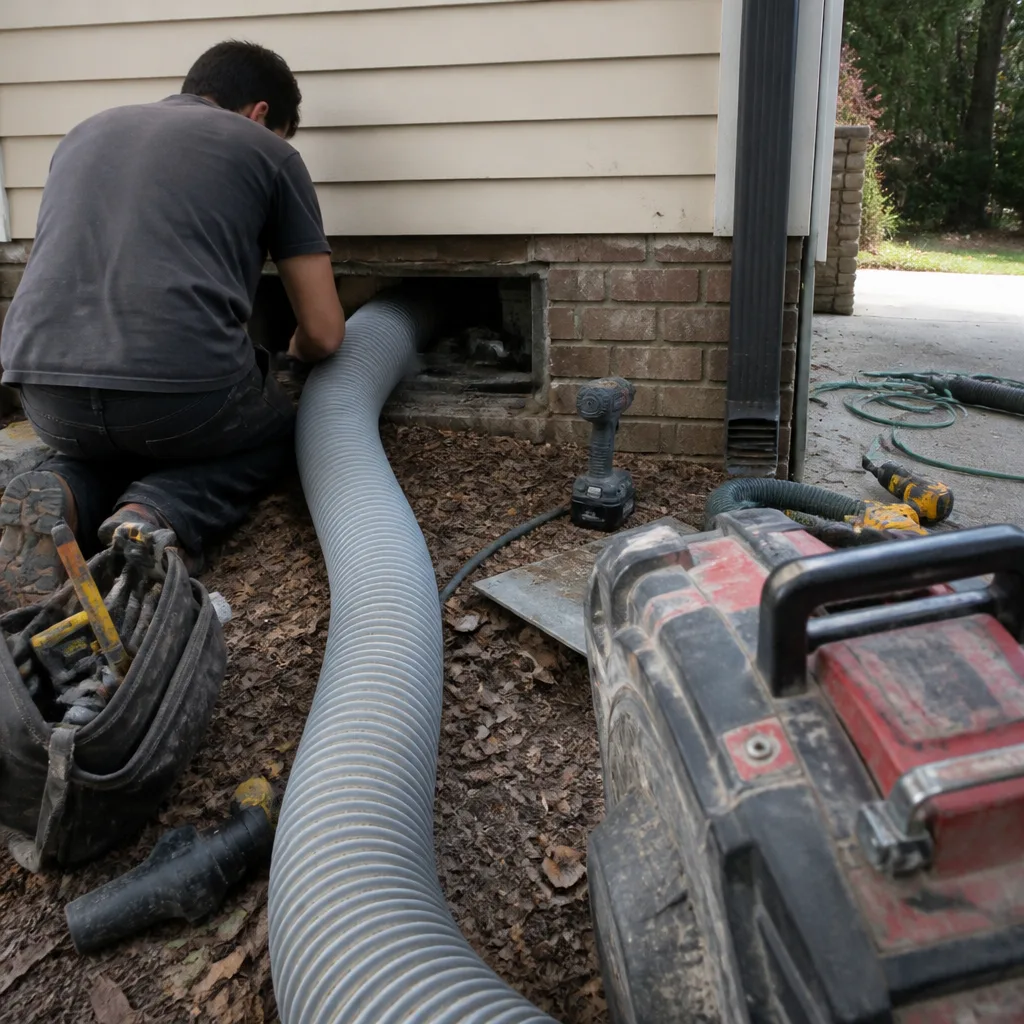
Yes. Dryer vent cleaning in Sandy Springs is a separate service from air duct cleaning, and most homes need it done more frequently than duct cleaning because lint accumulates faster than dust. The same written pricing and 365-Day Done Right Promise apply to every dryer vent job.
The Bottom Line
Sandy Springs homes face seasonal duct conditions that a national cleaning guideline cannot capture. Spring pollen loads return ducts faster than average. Summer humidity changes what happens inside flex duct interiors. Fall leaf debris pushes systems harder just before heating season. Winter heat cycles release material that sat dormant all year. Watch the seasonal signals, track them across the calendar, and act when patterns repeat. A professional cleaning on a 2 to 4 year interval, timed to what your own home shows you, is the most practical approach. Hollis Air Duct Sandy Springs has been serving Sandy Springs since 2004 with written pricing, background-checked uniformed technicians, and a 365-Day Done Right Promise on every job. Call (229) 489-7780 for a free estimate and a straight answer about what your ducts actually need.
Written by Roy Castellanos, Owner at Hollis Air Duct Sandy Springs, serving Sandy Springs since 2004. Explore more guides & resources on our blog.
See the difference
 Before
 After
 Before
 After
 Before
 After