
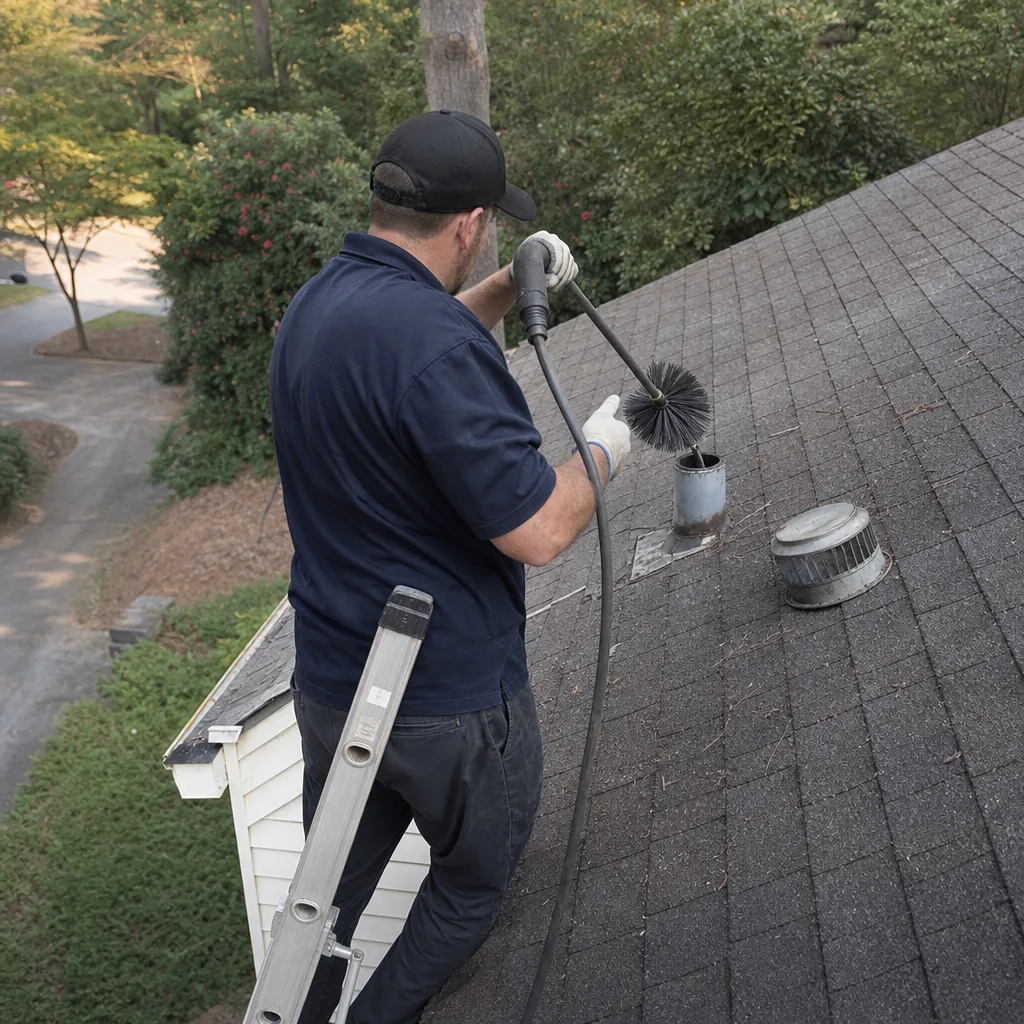
Last updated October 15, 2026
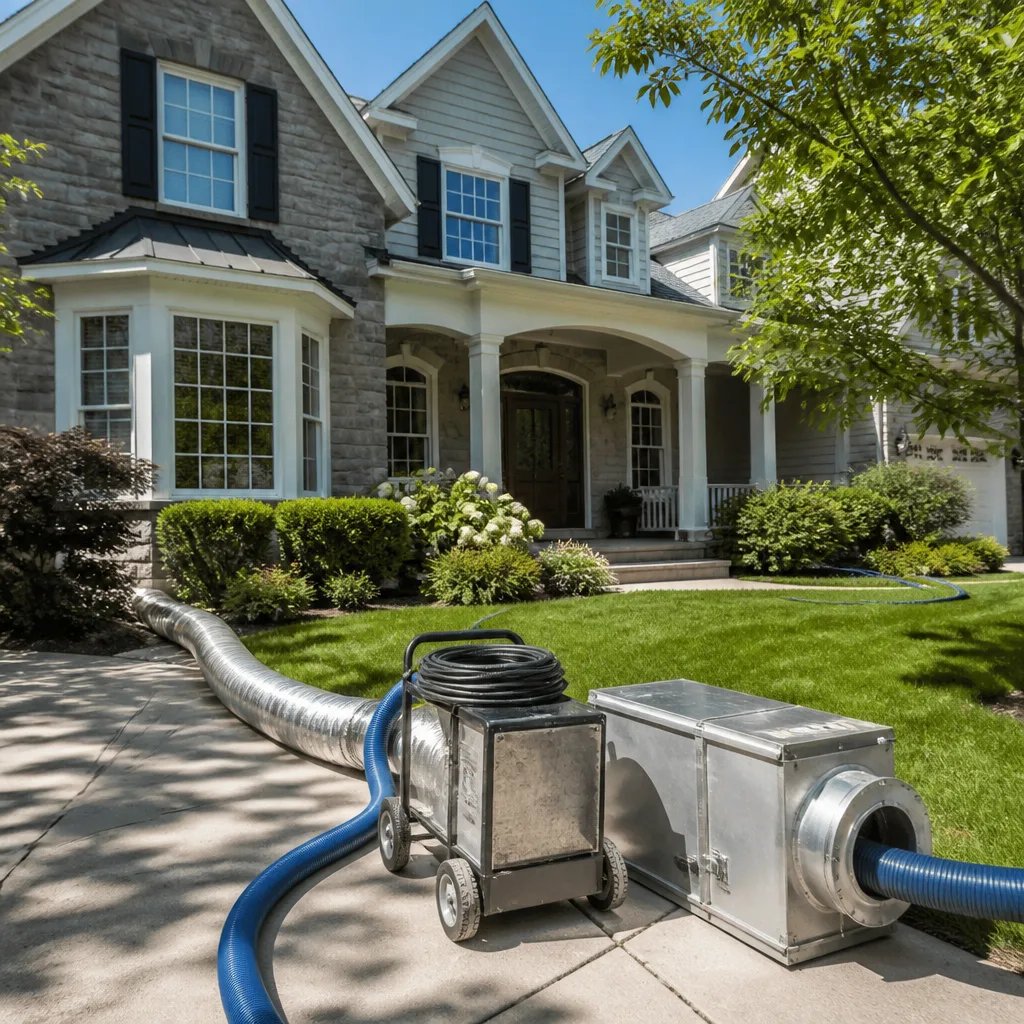 Whole-home duct cleaning
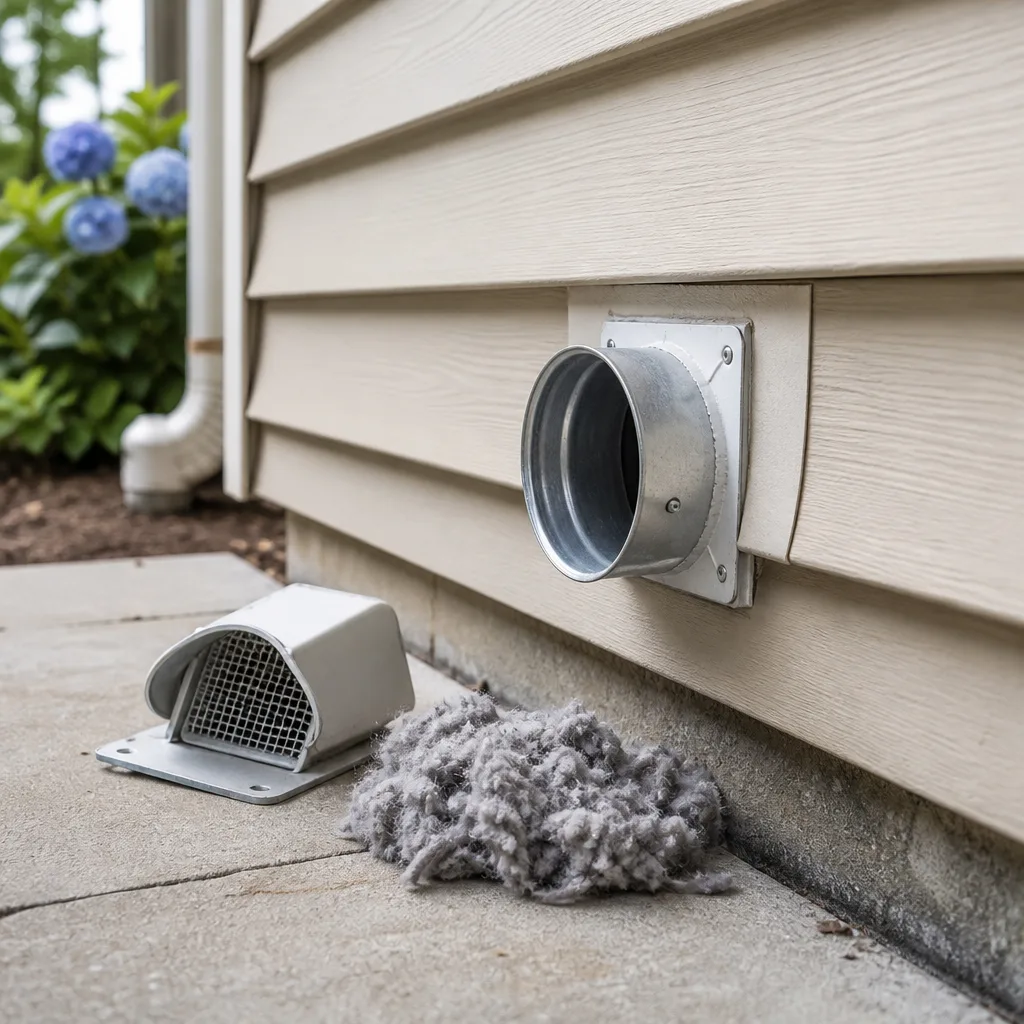 Dryer vent cleaning
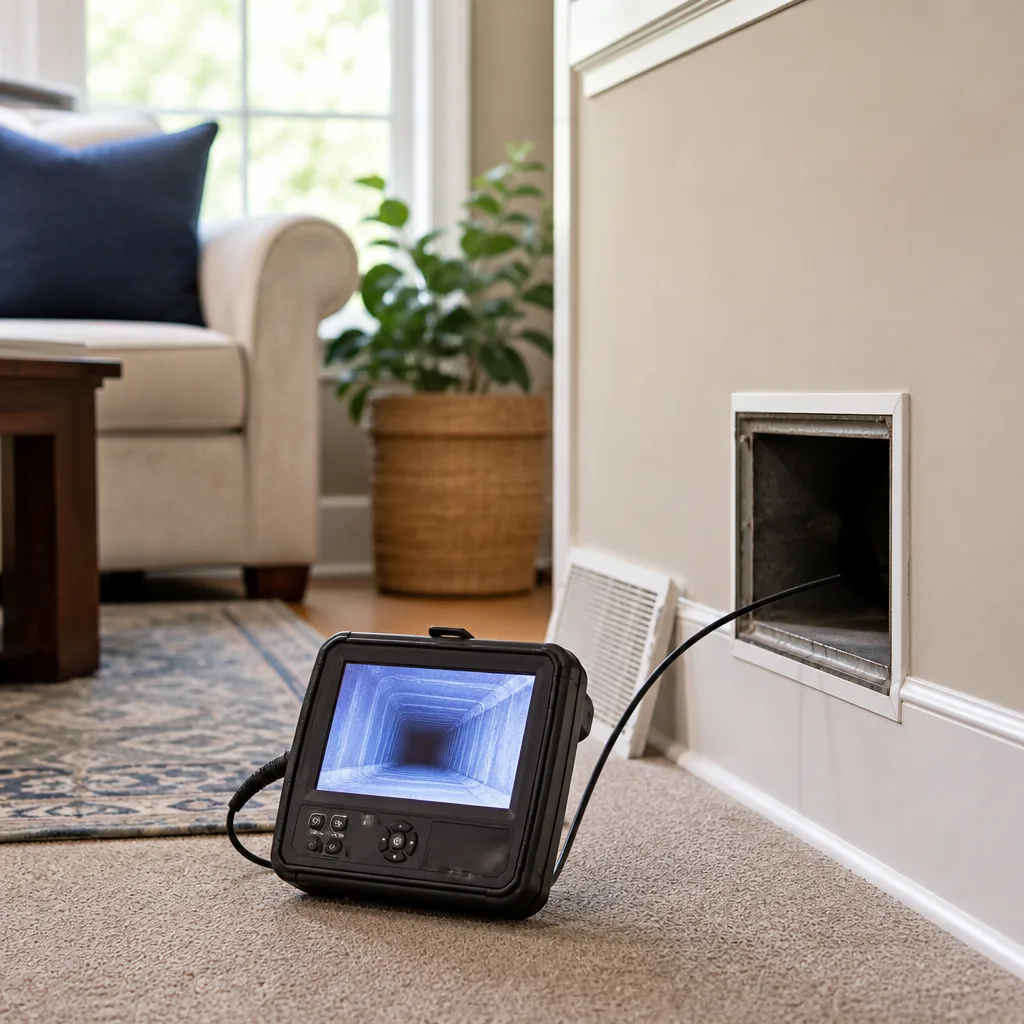 Camera inspection
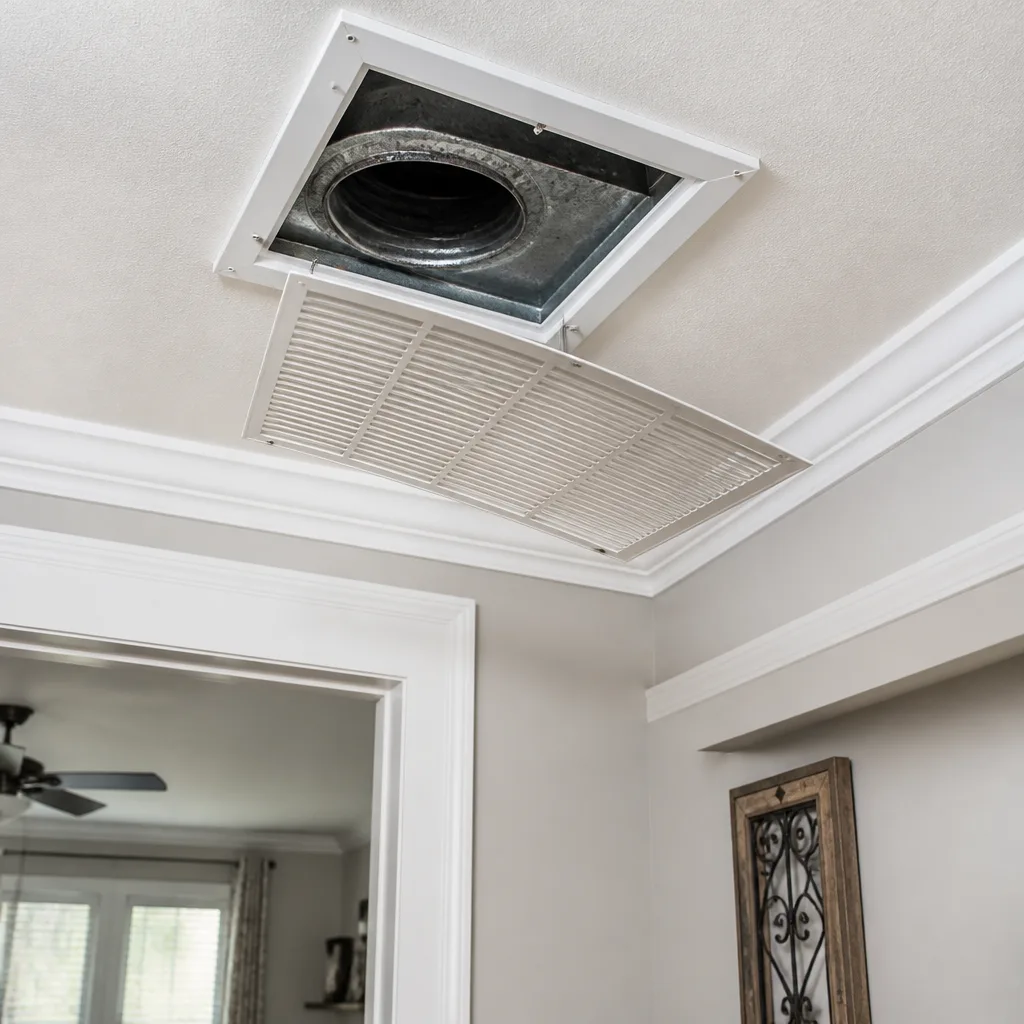 Sanitizing & deodorizing
Whole-system duct and dryer vent check with before-and-after photos - you see exactly what came out of your vents
That "$99 whole-house special" is a bait ad - the real number appears once they are in your hallway, or the "clean" is a shop-vac at the register. We photograph the inside of your ducts before and after instead.
Air Duct Cleaning Cost Breakdown: The Sandy Springs Homeowner’s Reference for 2026
The $49 air duct cleaning ad is the oldest trick in the book, and Sandy Springs homeowners see it everywhere: on mailbox flyers, Facebook ads, and those yellow “postcard packs” that arrive in Dunwoody and Riverside each spring. That price is real, but it assumes a system size and scope almost no actual home has: one return, two or three supply vents, no difficult access, and a technician who is in and out in under an hour. The moment your 2,800-square-foot Colonial near the Chattahoochee River gets quoted, that number compounds fast, and you still don’t know what the final invoice will be. This guide-along with our Air Duct Cleaning Maintenance Checklist for Sandy Springs Homeowners-breaks down every line item that makes up a legitimate Sandy Springs duct cleaning quote so you can evaluate any price you see against what it actually buys. By the end, you’ll be able to look at a $49 flyer, ask three questions, and know exactly what kind of job you’re really being offered.
Styles & brands we work with
Quick Answer
Air duct cleaning in Sandy Springs, GA costs between $350 and $750 for a properly scoped, whole-system cleaning of a 2,000-to-2,500-square-foot single-family home in 2026, with smaller condos running $250 to $400 and larger homes with multiple HVAC systems reaching $900 to $1,200 or more. The final price is driven by vent count, system accessibility, duct material, and years since the last cleaning, not by the square footage alone. A written, line-item quote that specifies exact vent counts and access points before work begins is the single strongest predictor of whether a price will stay honest, and it’s one of the requirements covered in our guide to Air Duct Cleaning Permits, Codes & Inspections in GA: What You Need to Know.
Table of Contents
- What Actually Drives the Price: The Four Real Cost Factors
- What 2026 Pricing Looks Like by Home Size in Sandy Springs
- What a Written Line-Item Quote Should Specify
- Add-On Services: When They’re Legitimate and When They’re Not
- How to Compare Two Quotes When the Scope Differs
- What Professional-Grade Equipment Actually Does (And Why It Matters)
- How Sandy Springs’ Climate and Building Stock Affect What You Pay
- Common Mistakes to Avoid
- When to Call a Professional
- Frequently Asked Questions
- The Bottom Line
What Actually Drives the Price: The Four Real Cost Factors
Before you can evaluate any air duct cleaning quote in Sandy Springs, you need to know what moves the number. Square footage matters far less than people assume. Two homes with identical 2,400-square-foot footprints can produce quotes that differ by $400 based on four factors alone. Here is what actually drives the price.
1. The Number of Supply and Return Vents
This is the dominant cost driver, and it’s the line where teaser ads hide their margin. A “whole-system cleaning” is only whole if every supply vent and every return vent gets cleaned. In Sandy Springs, a 1,400-square-foot ranch from the 1960s off Roswell Road might have 8 supply vents and 1 or 2 returns. A 3,800-square-foot newer construction home near Morgan Falls might have 18 supply vents and 3 returns feeding two separate air handlers. More vents means more time on the job, more brush passes per run, and more access points. When a quote does not state the vent count in writing, the technician has room to “find” additional vents after the work starts, each one added to the invoice. A legitimate quote will specify: 12 supply vents, 2 returns, 1 main trunk line. That line is what holds the price in place.
2. System Accessibility: Attic, Crawlspace, or Slab
Where your ducts live changes how long the job takes and what equipment the crew needs. In Sandy Springs, homes split roughly three ways. Attics above 140 degrees in July slow a technician down or require early-morning starts, and blown-in insulation around attic ducts makes each connection point slower to access safely. Crawlspace systems, common in older ranch homes in the northern part of the city, bring their own cost: a technician in a confined space, often with a vapor barrier and old duct board, working by headlamp. Slab-embedded ducts, found in some mid-century homes, can sometimes only be partially accessed at all, and the honest quote will tell you so before you pay. Any company that quotes a flat price without asking where your ducts are located is quoting a guess, not a job.
3. Duct Material Type
Flex duct, rigid sheet metal, duct board, and lined duct each respond differently to cleaning methods, and equipment selection changes the labor time. Flex duct, common in Sandy Springs homes built after 1990, requires lower pressure and more careful brush work to avoid tearing the inner liner. Rigid sheet metal, found in many 1970s and 1980s builds, can handle aggressive rotary brush passes and negative-air pressure. Duct board, common in some 1980s homes, holds moisture and debris more readily and can take longer to clean properly. A technician who knows the difference is one who asks what your ducts are made of before quoting. The one who doesn’t ask is the one who will either under-clean your metal ducts or damage your flex.
4. Years Since the Last Cleaning
A system last cleaned two years ago is a shorter job than a system last cleaned in 2009. Sandy Springs homes that have never had a cleaning, especially those with pets, smokers, recent renovations, or years of Georgia pollen seasons, have a heavy accumulation layer that requires slower passes, more agitation, and a more thorough negative-air extraction cycle. Renovation dust, in particular, settles in the return ducts and clings to the blower fan and coils, and it does not come loose with a single pass. If you just finished a kitchen remodel or replaced flooring, tell the estimator. It changes the scope, and it’s better it changes the price before work starts than after.
What 2026 Pricing Looks Like by Home Size in Sandy Springs
Here is what a correctly scoped job should cost in the Sandy Springs market in 2026, based on the factors above. These are whole-system prices that include all supply vents, all returns, and the main trunk line, with before and after documentation. These are not teaser prices. They are what a disciplined, properly equipped company charges when the quote is written to match the actual house.
1,200 Square Feet (Condo or Small Ranch)
- Expected vent count: 6 to 8 supply vents, 1 to 2 returns
- Typical system: One air handler, attic or closet access
- Price range: $250 to $400
- Job duration: 2 to 3 hours
- Notes: Condos in the Perimeter Center area often have shared duct shafts or access limitations that the HOA requires be addressed in advance. Ask your estimator if they’ve worked in your building before.
2,500 Square Feet (Classic Single-Family Home)
- Expected vent count: 12 to 16 supply vents, 2 to 3 returns
- Typical system: One or two air handlers, attic or crawlspace access
- Price range: $400 to $650
- Job duration: 4 to 6 hours
- Notes: This is the most common home size in neighborhoods like Dunwoody, Riverside, and along Mount Vernon Highway. Expect the quote to include the main trunk line and possibly a second return in the finished basement if one exists.
4,000+ Square Feet with Multiple Systems
- Expected vent count: 18 to 28 supply vents, 3 to 5 returns, often split across two or three zones
- Typical system: Two or three air handlers, mixed attic and basement access
- Price range: $900 to $1,200+
- Job duration: Full day, sometimes two visits
- Notes: Larger homes along the Chattahoochee or in the Heards Ferry corridor frequently have a second system in the attic that a one-size-fits-all quote will miss entirely. The written quote must specify each air handler separately.
These numbers assume standard rectangular trunk-and-branch ductwork. Custom duct shapes, metal duct repairs required before cleaning, and systems with integrated filtration housings can push beyond these ranges, and a written quote should say exactly why.
What a Written Line-Item Quote Should Specify
A written line-item quote is the difference between a price that holds and a price that moves. When the number is written down before any equipment comes off the truck, and the scope is itemized, there is nothing to negotiate at the door. Here is what every legitimate quote for air duct cleaning in Sandy Springs should include, and what each line tells you about the job.
- Exact vent count: “12 supply vents, 2 returns” tells you the company actually looked at your home or asked you for a count. “Whole system” with no count is room to maneuver.
- Access point locations: Attic, crawlspace, or closet. If access is impossible at one location, the quote should say so and price accordingly, not discover it mid-job.
- Equipment type and method: Negative-air machine, rotary brush system, or contact vacuuming. Each has different capabilities and limitations, and the quote should name what’s actually being used.
- Treatment application method, if any: If antimicrobial or sanitizing treatments are included, the quote should state the application method: fogged, sprayed, or wiped. A treatment that costs $75 applied by fogging is a different service than a $400 treatment hand-wiped onto each duct run.
- What is excluded: Blower motor cleaning, coil cleaning, dryer vent, and duct sealing are sometimes separate line items. If the quote does not list them, ask whether they’re included or additional. Assume additional unless stated in writing.
- Total price, tax included: The number at the bottom should be the number on the invoice. No surcharges for “extra access points” or “additional vents discovered during cleaning.”
At Hollis Air Duct Sandy Springs, every job in Sandy Springs receives a written price before any work starts. The price on the quote is the price on the invoice, because the scope was measured against the actual home before the technician arrived. That’s the standard we’ve held since 2004, and it’s one of the reasons homeowners in the area keep our Hollis Air Duct Sandy Springs home page bookmarked when they’re ready to compare bids.
Add-On Services: When They’re Legitimate and When They’re Not
Add-ons are where the bait-and-switch industry makes its money, but they also include some genuinely useful services. The key is knowing which is which before the technician suggests them mid-job. Here is how to evaluate each common add-on in Sandy Springs.
Antimicrobial Treatment / Sanitizing Fog
When it’s legitimate: You have visible mold growth that has been tested and confirmed, or a persistent odor source like pet dander or heavy smokers in the home’s history. In Sandy Springs, with long humid summers, microbial growth in ducts near the crawlspace or in an under-insulated attic is a real concern, and a treatment applied after the source is cleaned can be worthwhile.
When it’s not: The technician offers “sanitizing” as a universal add-on without having inspected your ducts first. A fog applied to clean, dry ducts is money spent on nothing. A reputable company will tell you if the treatment is unnecessary.
What it should cost: $150 to $300 for an EPA-registered antimicrobial fogged after cleaning on an average Sandy Springs home. Avoid companies that push it as essential on every job.
Dryer Vent Cleaning
When it’s legitimate: You haven’t had it done in the last two years, your dryer takes longer than one cycle to dry towels, or your vent run is long, bent, or runs through the attic. Sandy Springs has a disproportionate share of 1970s and 1980s homes with long vertical dryer vent runs that trap lint fast. This is a genuinely important service, and it is one we offer separately through our Dryer Vent Cleaning in Sandy Springs service.
When it’s not: The company offers it as a “$99 add-on” using a small handheld vacuum that can’t reach the full length of the vent. A proper dryer vent cleaning requires a rotary brush system sized to the vent diameter, and the technician should clean from both ends.
What it should cost: $89 to $150 as a standalone service in Sandy Springs, or $75 to $125 when bundled with a full duct cleaning.
Coil Cleaning
When it’s legitimate: Your air conditioner is running but not cooling as well as it used to, or you can see visible debris on the evaporator coil when the access panel is opened. Dirty coils force the blower to work harder, and in Sandy Springs summers, that means higher electric bills during the months you run the AC most.
When it’s not: The coil was cleaned by the HVAC company during its last seasonal maintenance, or the technician offers it without opening the coil access panel to show you the condition first.
What it should cost: $100 to $200 per coil, depending on access and degree of buildup. Some legitimate companies bundle coil cleaning with duct cleaning at a reduced rate.
Duct sealing is another service that sometimes gets tacked on, but it is a distinct job with its own process and its own price. If you need it, it is worth understanding separately. Our Duct Sealing in Sandy Springs page explains the difference between mastic sealing and basic tape, and when each is warranted.
How to Compare Two Quotes When the Scope Differs
You call three companies in Sandy Springs. One quotes $49. One quotes $299. One quotes $520. The comparison seems impossible because the scopes are not the same. Here is a framework for normalizing the numbers so you are comparing identical services.
- Ask each company for the vent count they’re quoting. If the $299 quote covers “up to 10 vents” and the $520 quote covers 14 vents, the per-vent difference narrows considerably. The low quote is not lower; it is smaller.
- Ask about the cleaning method. A $49 quote is almost always contact vacuuming at the vent openings only, with no negative-air extraction and no brush work in the trunk lines. A legitimate whole-system cleaning uses a negative-air machine connected at the trunk line to pull debris out of the system while the brush agitates it. These are not the same service.
- Ask what happens if the system has more vents than the quote assumed. The correct answer is: the written quote is revised before work starts, or the additional vents are included. The wrong answer is: we’ll add it to the invoice at the end.
- Ask what documentation you’ll receive. Before and after photos of the actual duct interiors should be standard. If a company won’t show you photo evidence, you cannot verify the work was done at all.
- Ask about the guarantee in writing. What happens if the job is incomplete or inadequate? Most companies in Sandy Springs offer no written guarantee. At Hollis Air Duct Sandy Springs, every job is covered by the 365-Day Done Right Promise: if the work fails within a year, we return and make it right at no charge, including a free second visit. That promise is written, not implied.
Once you’ve applied this framework, you’ll often find that the $49 quote is not a comparison at all, and the real decision is between two legitimate companies at $420 and $520. Then the question becomes equipment, documentation, and the guarantee, and those are questions worth answering.
What Professional-Grade Equipment Actually Does (And Why It Matters)
Equipment matters because air duct cleaning is a mechanical process, not a preference. The tools a company brings to your Sandy Springs home determine whether debris is loosened and extracted or just loosened and redistributed. Here is what the professional-grade equipment on a legitimate job actually does, in plain terms.
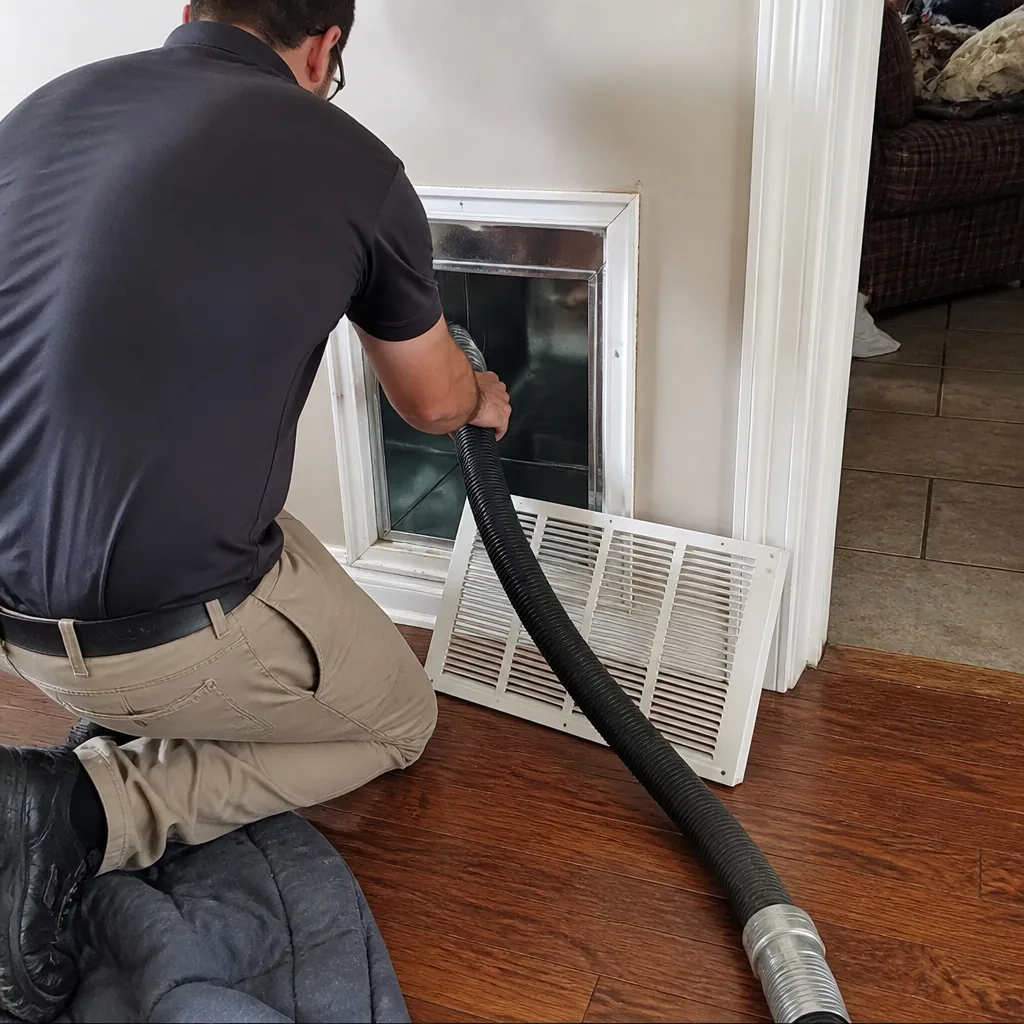
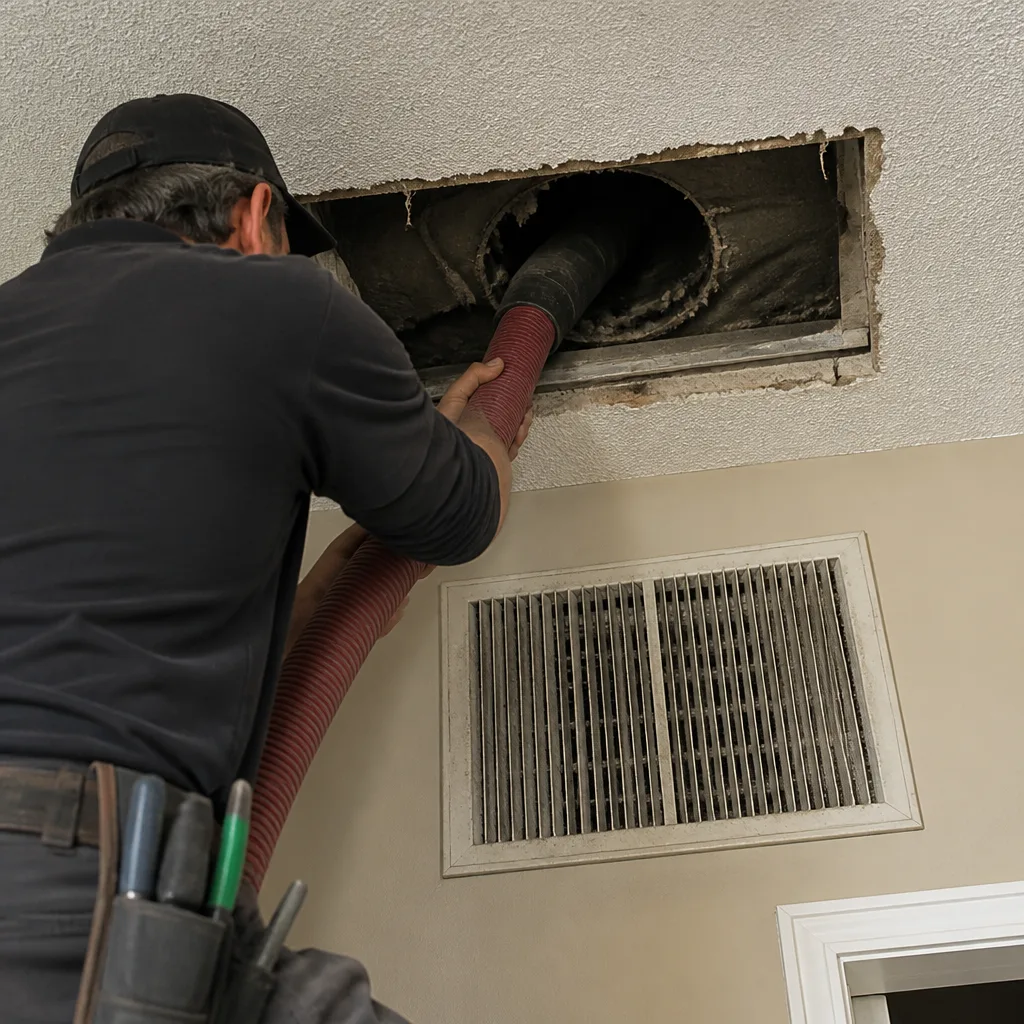
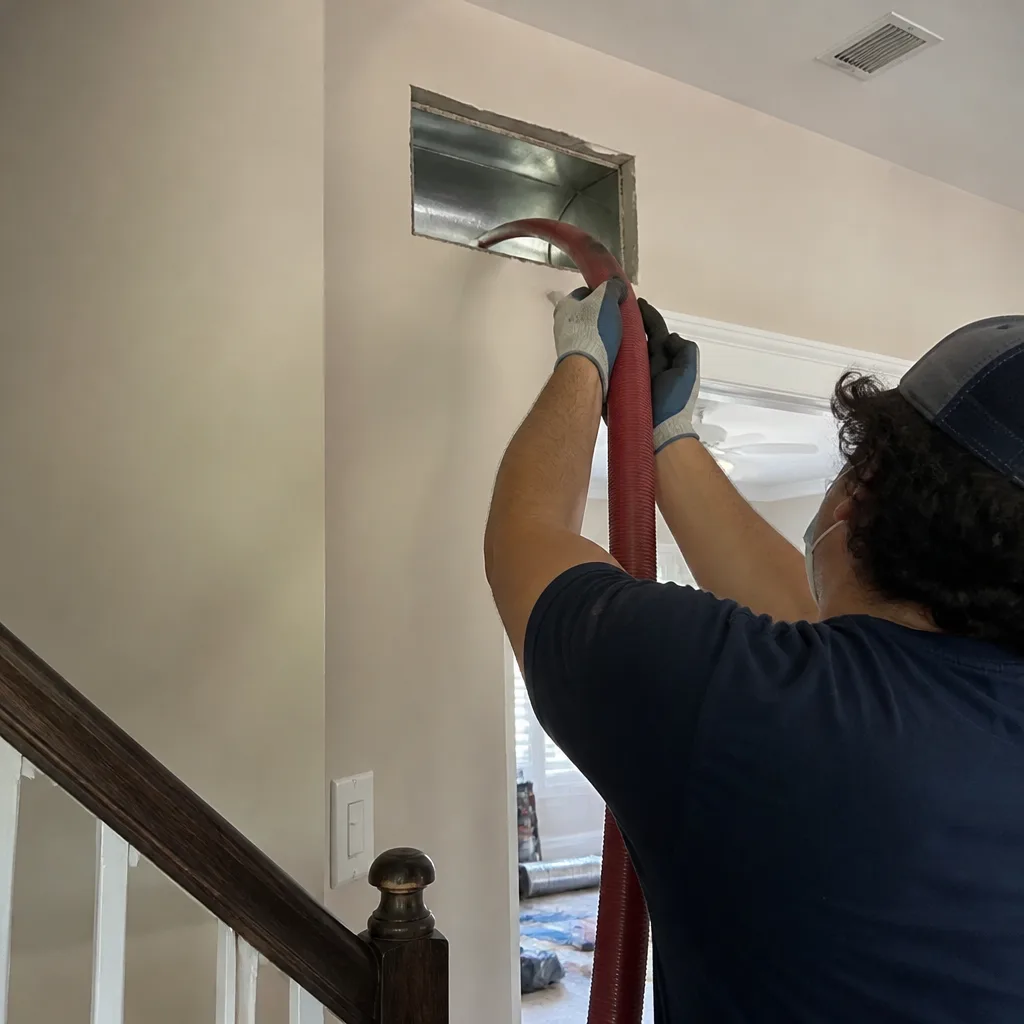
Negative-air machines are the workhorse of a proper cleaning. They connect to the duct system at the trunk line and create continuous suction that pulls the entire system under negative pressure. That suction is what carries loosened debris out of the ducts and into a HEPA-filtered collection unit, instead of letting it settle back down. Without negative air, you are brushing debris around, not removing it. The machines we run at Hollis Air Duct Sandy Springs include units from Nikro and Abatement Technologies, the same brands commercial restoration crews use, because the standard for what leaves a home is the same whether it is 2,000 or 20,000 square feet.
Rotary brush systems are the agitation stage. A brush head, sized to the duct diameter, spins inside the duct run and scrubs the walls while the negative air pulls the debris out behind it. Rotobrush systems are common on professional jobs because they combine the brush and the vacuum in one pass. The key variable is operator technique: too fast and the walls are not actually cleaned, too aggressive on flex duct and the liner tears. A disciplined technician knows the difference, and that discipline is part of what The Garrison Standard requires on every job.
HEPA filtration matters on the extraction side. Whatever the negative air machine pulls out of your ducts gets captured in the collection unit, and a HEPA-rated filter ensures the fine particulate, including pollen, pet dander, and drywall dust from renovations, does not get exhausted back into your Sandy Springs home. Filtration products from Honeywell and Aprilaire, along with Guardsman systems, are common in professionally maintained HVAC and air filtration setups, and they are the same names you will see on legitimate commercial and residential jobs.
When a company shows up with a small portable vacuum and a shop brush, the physics of the job have already told you everything you need to know. The debris deep in the trunk line will never reach that vacuum, and the job will not be done. That is not a pricing difference. It is a service difference.
How Sandy Springs’ Climate and Building Stock Affect What You Pay
Sandy Springs sits on the fall line of the Piedmont, with hot, humid summers and a long pollen season that runs from late February through June. That climate writes itself into your ductwork in ways that affect both the scope and the price of a cleaning.
Spring in Sandy Springs means pine pollen, oak pollen, and enough yellow-green film to coat every car in the Perimeter area. The same pollen that coats your windshield gets pulled through the return registers and into the duct system, where it settles in the returns and on the blower assembly. A home with a two-year-old filter on the return side is pulling more of that pollen deeper into the system, and a cleaning after pollen season will take longer and produce a visibly heavier extraction load than a mid-winter cleaning. Summer humidity is the second variable. Crawlspace ducts in older Sandy Springs homes, especially in the neighborhoods along Riverside Drive and in the northern section of the city, absorb that humidity and hold onto it. The result is heavier debris that clings to the duct walls and slows the brush work. A good estimator knows this and accounts for it.
The age and mix of Sandy Springs housing stock also varies widely, from 1960s ranch homes with slab ducts to 1990s flex-duct construction to new builds with multiple zones and high-efficiency systems. The quote must match the house as it was built, not the house a template assumes. That is why we ask about duct material, access points, and system layout before pricing, and why our Air Duct Cleaning in Sandy Springs service always starts with those questions rather than a pre-printed number.
Common Mistakes to Avoid
- Taking the $49 flyer literally. That price assumes one return and a handful of supply vents. No 2,500-square-foot Sandy Springs home fits that profile, and the final invoice will not be $49.
- Accepting a quote without a vent count. A quote that says “whole system” without saying how many vents that means is a quote with built-in room to grow. Get the number in writing.
- Paying for sanitizing you don’t need. A clean, dry duct system in a well-maintained Sandy Springs home rarely needs antimicrobial fogging. If the technician pushes it as essential without inspection, treat the push as a signal.
- Skipping the before and after photos. Without photographic evidence of the actual duct interiors, you are paying on faith. Legitimate companies document the work.
- Choosing the lowest bid without normalizing scope. Two quotes at $299 and $520 may cover different vent counts, different methods, and different equipment. Normalize the scope before comparing the number.
- Ignoring the guarantee. A company with no written guarantee after the work is telling you something about how they expect the job to go. The guarantee is part of the price.
- Assuming duct cleaning and duct sealing are the same service. They are not. Cleaning removes debris; sealing closes leaks. If you need both, get separate written quotes for each so each job is scoped correctly.
When to Call a Professional
You should call a professional air duct cleaning company in Sandy Springs when you can see visible debris at the vent openings, when the system has never been cleaned and the home is over ten years old, when you’ve completed a renovation that produced drywall dust, when a family member has allergies that improve away from home, or when the airflow from certain vents is noticeably weaker than others. These are signs that the ducts are carrying a load, and that load does not clear itself. A proper cleaning takes a half-day for a typical single-family home in the area, uses negative-air extraction, and leaves you with photo documentation of the result. Duct Sealing in Sandy Springs is a separate service if you also have leaks. Hollis Air Duct Sandy Springs offers free estimates in Sandy Springs – call (229) 489-7780 and we will scope your system, write the price down, and tell you exactly what the job includes before you agree to anything.
Frequently Asked Questions
A correctly scoped whole-system air duct cleaning in Sandy Springs costs between $350 and $750 for a typical 2,000-to-2,500-square-foot home in 2026, with smaller homes running $250 to $400 and larger homes with multiple HVAC systems reaching $900 to $1,200 or more. The price depends on vent count, access, duct material, and years since the last cleaning, not just square footage. Call (229) 489-7780 for a written quote based on your actual home – estimates are free.
Cheaper quotes almost always cover a smaller scope: fewer vents, no trunk line cleaning, contact vacuuming instead of negative-air extraction, or a combination of all three. The $49 flyer price assumes a system size that almost no real Sandy Springs home has, and the final invoice grows once the technician arrives. A written quote with a specific vent count is the best defense against that bait-and-switch.
A typical 2,500-square-foot single-family home in Sandy Springs has 12 to 16 supply vents and 2 to 3 returns. Homes built in the 1960s and 1970s off Roswell Road tend toward the lower end, while newer construction near Dunwoody and Mount Vernon often has more, especially if the home has a finished basement or a second system. The vent count is the first thing a legitimate quote should specify.
Air duct cleaning is worth the money when the ducts actually contain visible debris, renovation dust, or accumulated pollen, and the cleaning is performed with negative-air equipment that extracts the material rather than redistributing it. For a Sandy Springs home with pets, a long Georgia pollen season, or a recent remodel, a proper cleaning improves airflow and can reduce the particulate load in the living space. The key is verifying the work was done, which means before and after photos.
Most Sandy Springs homes do not need antimicrobial treatment after a standard cleaning. It is warranted when there is confirmed microbial growth or persistent odor source, and it should be applied after the source is cleaned, not as a universal add-on. A reputable company will inspect first and tell you if the treatment is unnecessary.
For most Sandy Springs homes, every 3 to 5 years is a reasonable interval, assuming standard use and regular filter replacement. Homes with multiple pets, smokers, or residents with significant allergies may benefit from every 2 to 3 years, and homes that have just undergone renovation should be cleaned once after the dust settles. The previous cleaning date matters more than the calendar; a system cleaned thoroughly with negative-air extraction will hold clean longer than one that got a surface-only pass. Call (229) 489-7780 for an honest assessment of whether your system is due – we will tell you if it isn’t.
The Bottom Line
Air duct cleaning in Sandy Springs is a service where the advertised price and the real price often have very little to do with each other, and the only reliable way to bridge that gap is to demand written, line-item scope before any work begins. A legitimate cleaning for a standard single-family home costs $350 to $750 in 2026, and it should specify the vent count, the access points, the equipment, the cleaning method, and the guarantee. When the scope matches the house, the price holds. When the scope is vague, the price moves. We have done it this way since 2004: written price before work, photo documentation after, and a 365-Day Done Right Promise that puts the guarantee in writing. Learn more about our Air Duct Cleaning services. If you’re in Sandy Springs and you want a quote that covers your actual home, not a brochure, call (229) 489-7780 and we will scope it properly.
Written by Roy Castellanos, Owner at Hollis Air Duct Sandy Springs, serving Sandy Springs since 2004. For more guides & resources, visit our blog.
See the difference
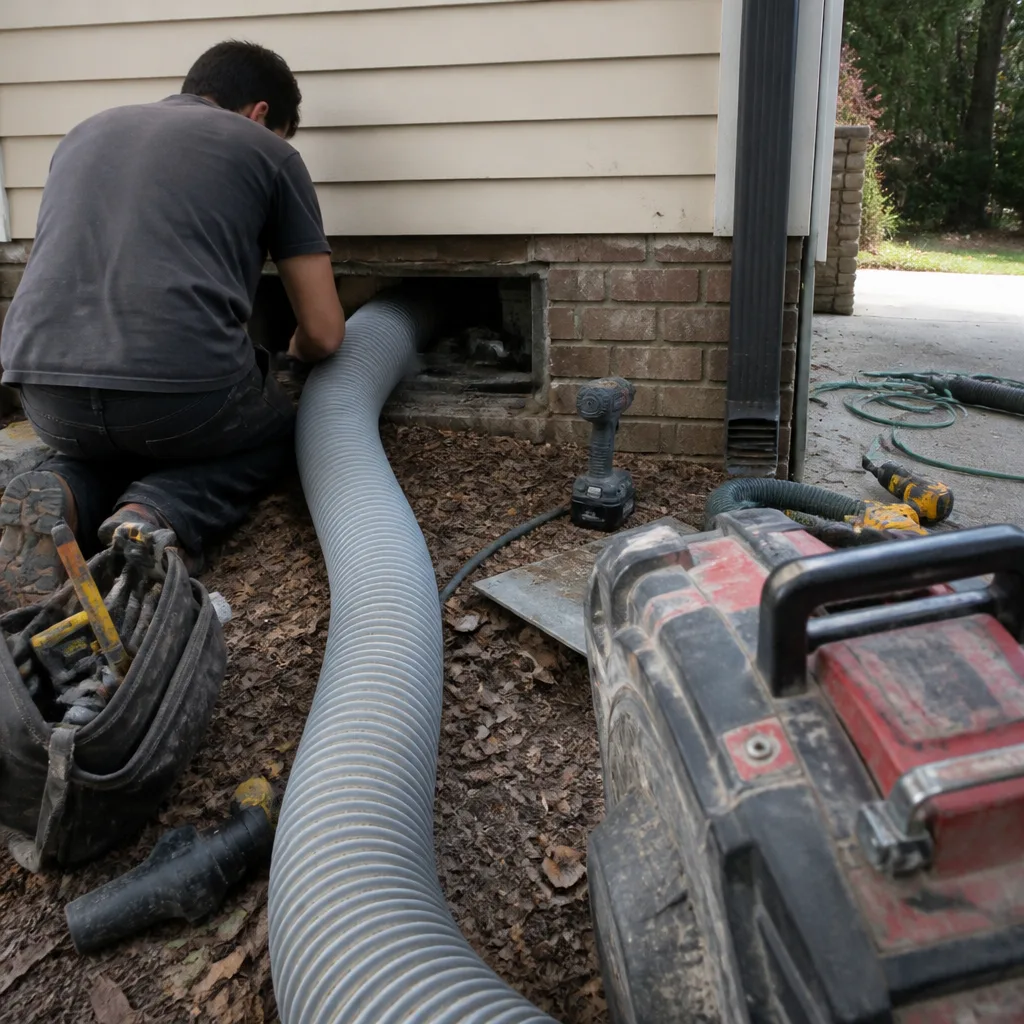 Before
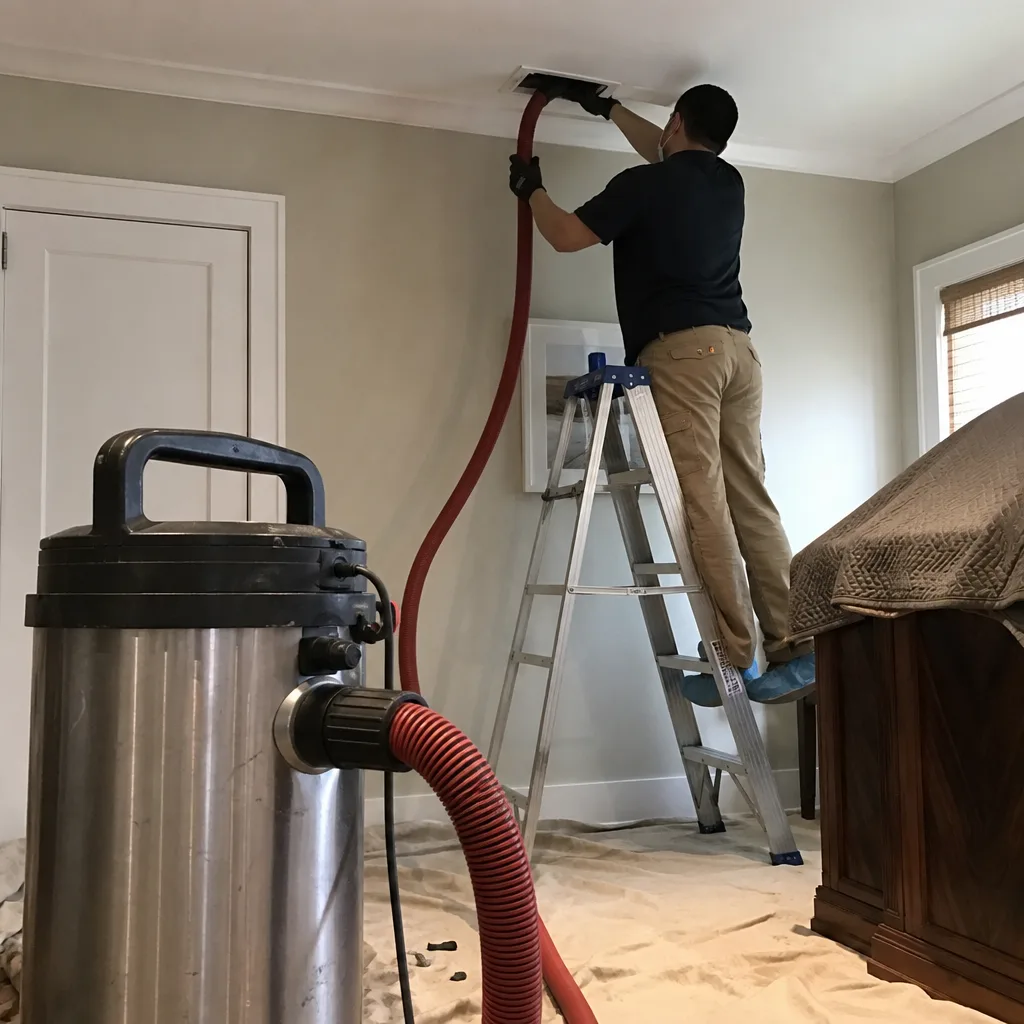 After
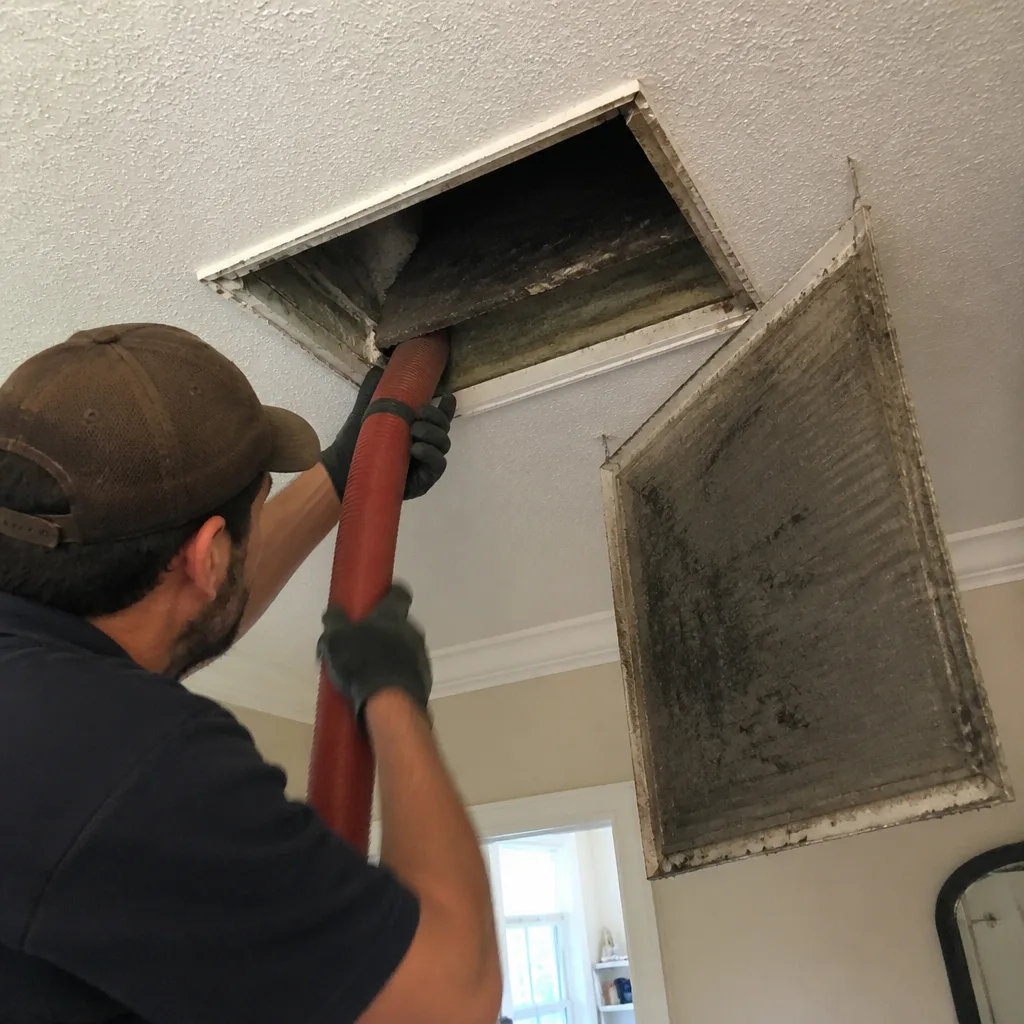 Before
 After
 Before
 After