
Last updated October 15, 2026
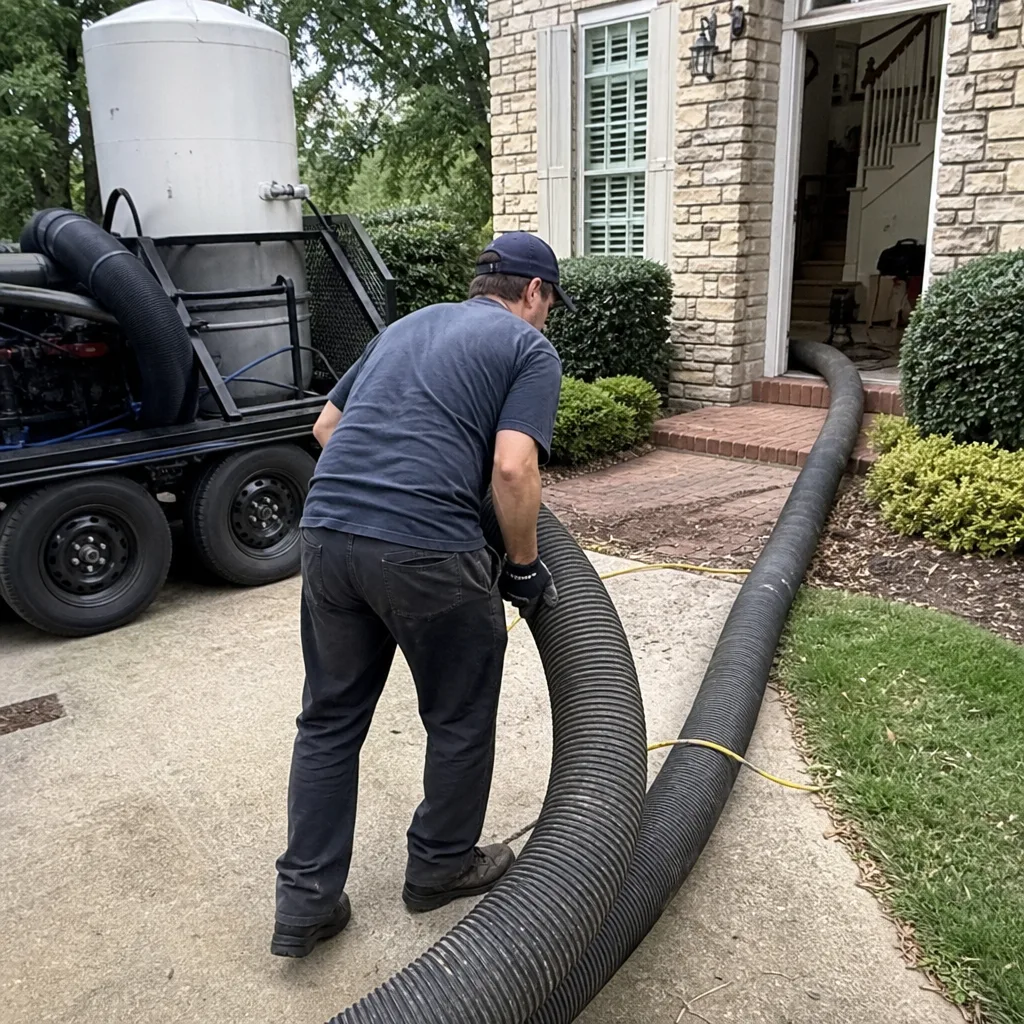
 Whole-home duct cleaning
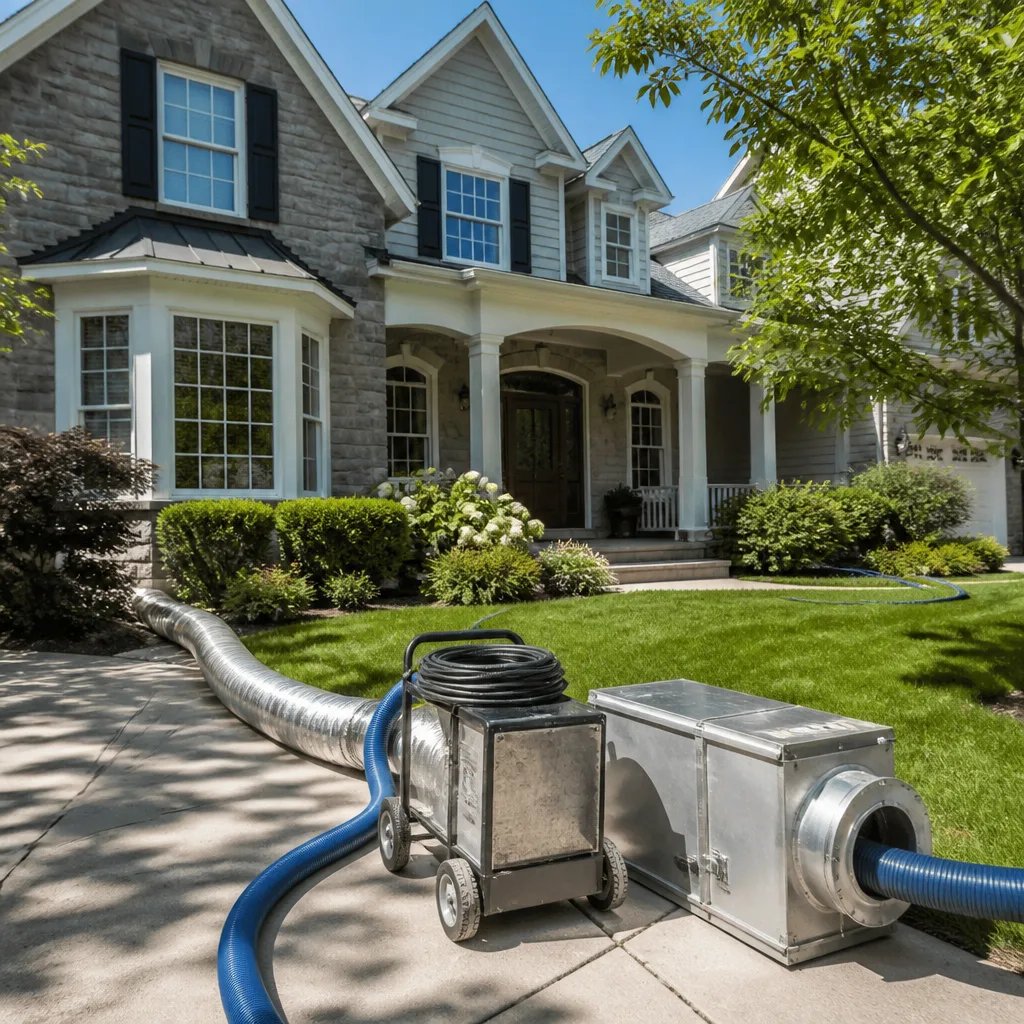
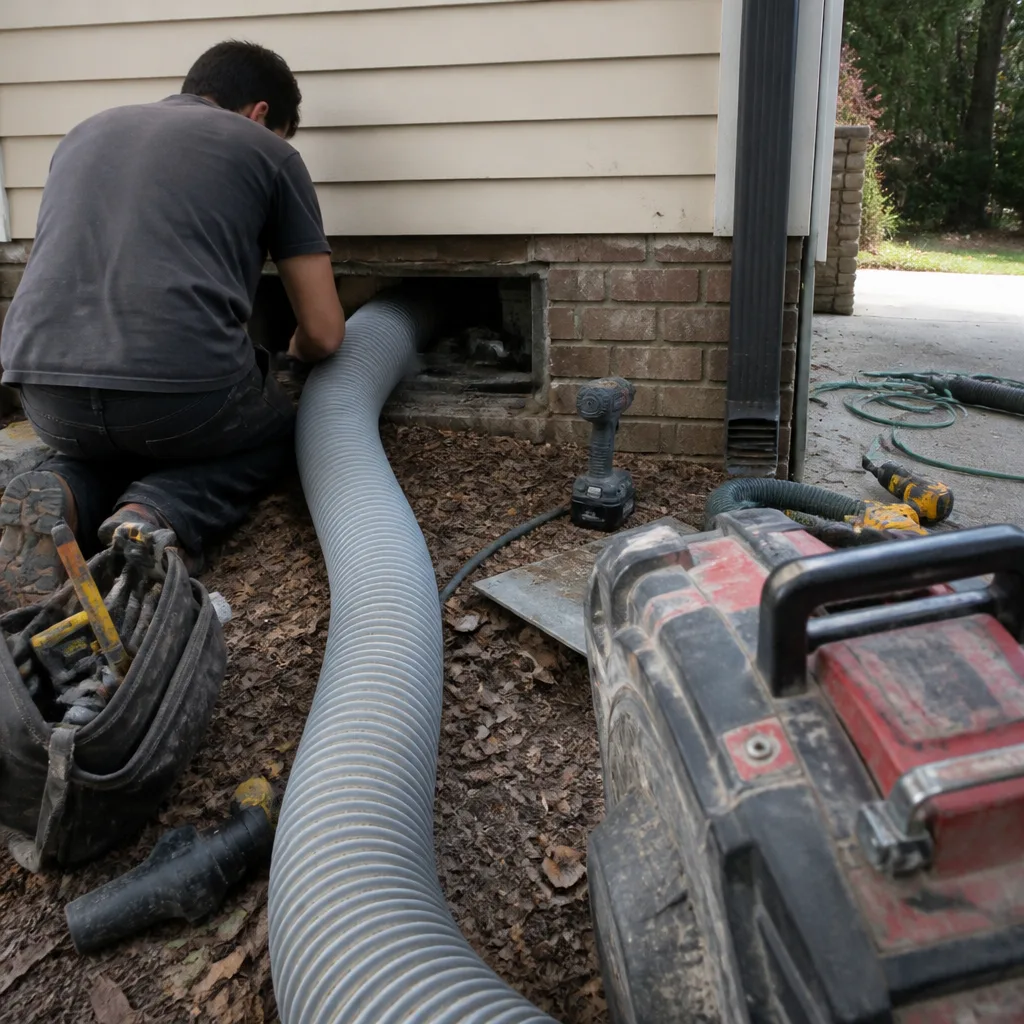
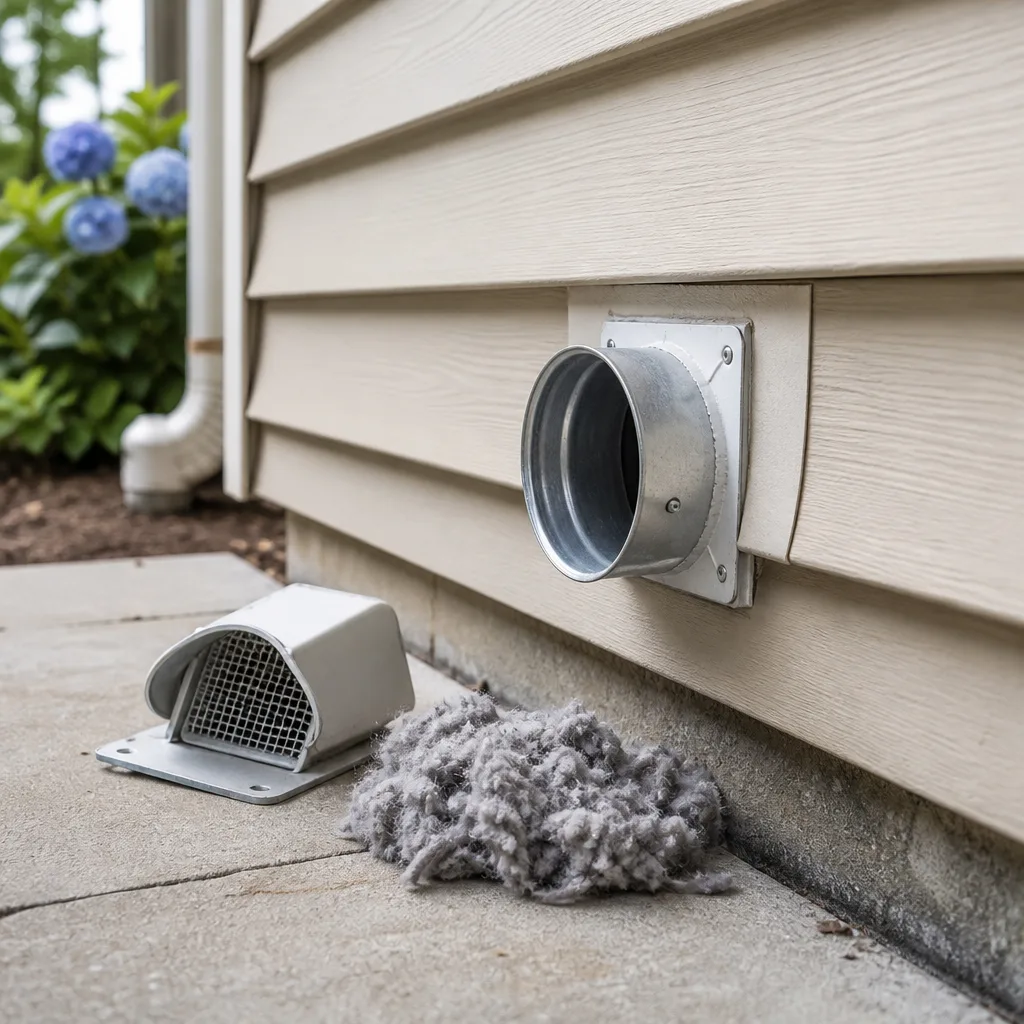 Dryer vent cleaning
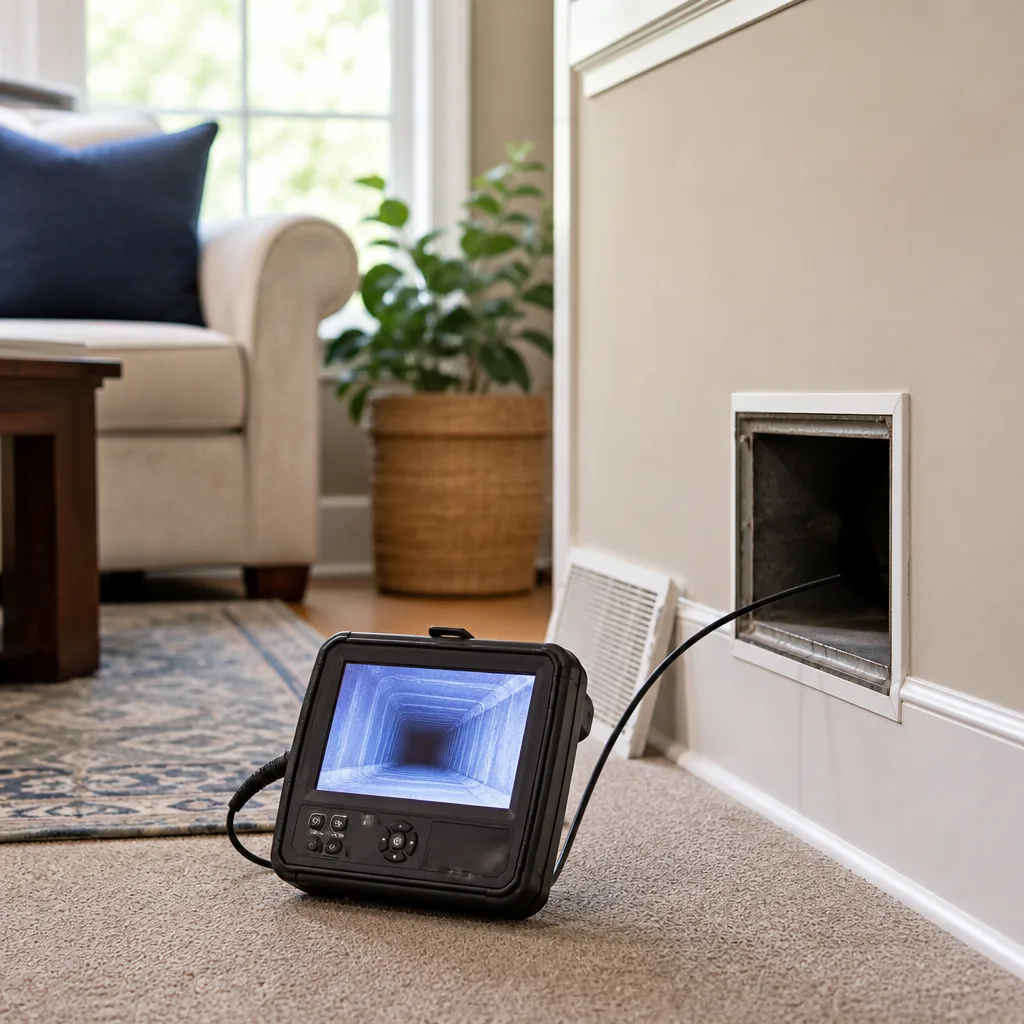 Camera inspection
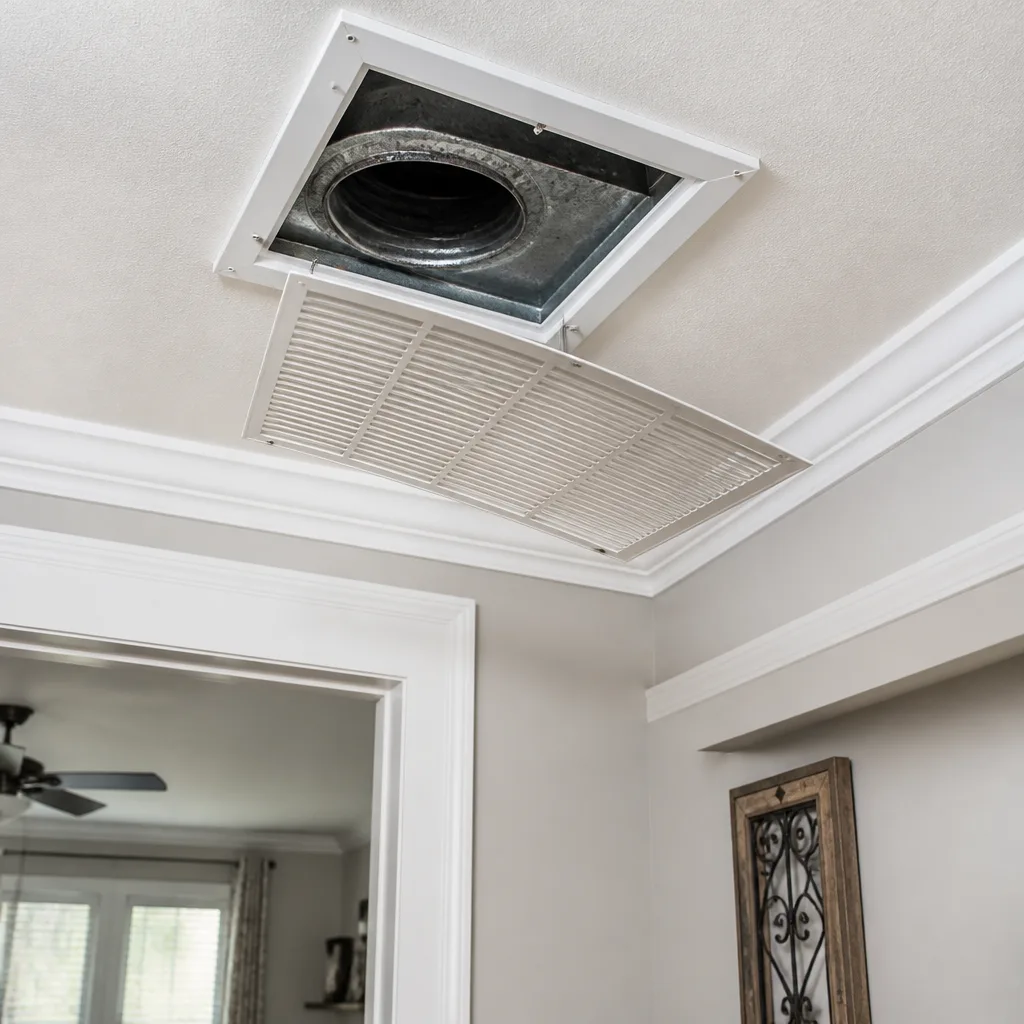 Sanitizing & deodorizing
Whole-system duct and dryer vent check with before-and-after photos - you see exactly what came out of your vents
That "$99 whole-house special" is a bait ad - the real number appears once they are in your hallway, or the "clean" is a shop-vac at the register. We photograph the inside of your ducts before and after instead.
The Complete Guide to Air Duct Cleaning in Sandy Springs
A $49 whole-house duct cleaning coupon cannot pay for the diesel fuel to run a truck-mounted vacuum for two hours, let alone the technician’s wage, insurance, and equipment amortization. The math simply does not work. That means the coupon is a door-opener for a sales pitch, not a price for a completed job. This guide explains what a real Air Duct Cleaning in Sandy Springs actually involves: the equipment, the steps, the written quote, and the post-job verification. You will finish it knowing how to judge any contractor’s work against a real standard, not a marketing promise.
Styles & brands we work with
Quick Answer
Air duct cleaning in Sandy Springs typically costs between $450 and $1,200 for a whole-house system, depending on square footage, number of returns, and how long it has been since the last cleaning. A legitimate job uses a negative-air machine or truck-mounted vacuum combined with agitation tools to physically dislodge debris, and it takes 3 to 6 hours for an average home. The written quote should itemize scope, access points, and verification method, and the price should not change once the technician arrives. Hollis Air Duct Sandy Springs provides written pricing before any work starts, and every job is backed by the 365-Day Done Right Promise. For DIY vs Professional Air Duct Cleaning: The Sandy Springs Homeowner’s Decision Guide, see our comparison.
Table of Contents
- What the Job Actually Involves
- Why Equipment Matters: The Negative-Air Method vs. Suck-and-Go
- Sandy Springs Housing Stock and What It Means for Your Ducts
- How to Read a Written Quote Line by Line
- Post-Cleaning Verification: How to Confirm the Job Was Done
- How Often Do Sandy Springs Ducts Actually Need Cleaning?
- Duct Sealing and Duct Cleaning: Two Different Jobs
- Common Mistakes to Avoid
- When to Call a Professional
- Frequently Asked Questions
- The Bottom Line
What the Job Actually Involves
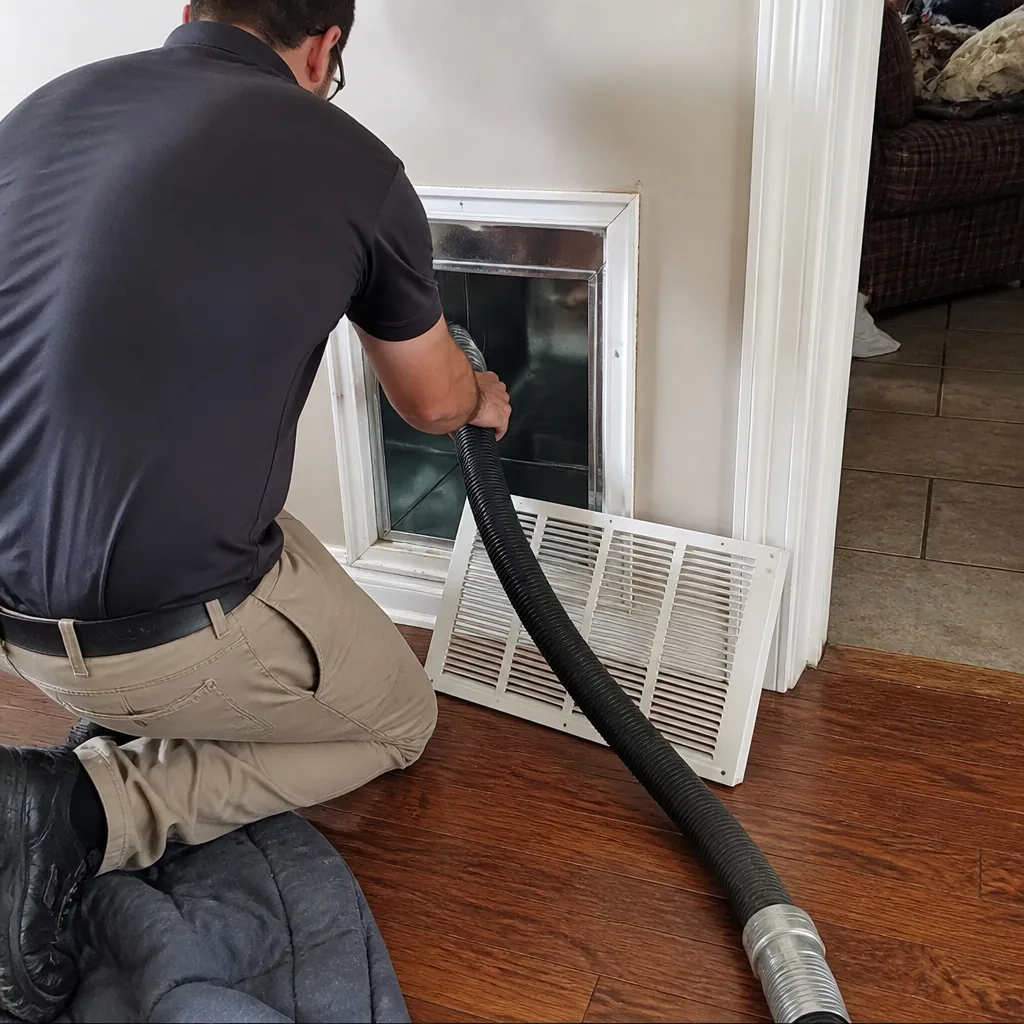
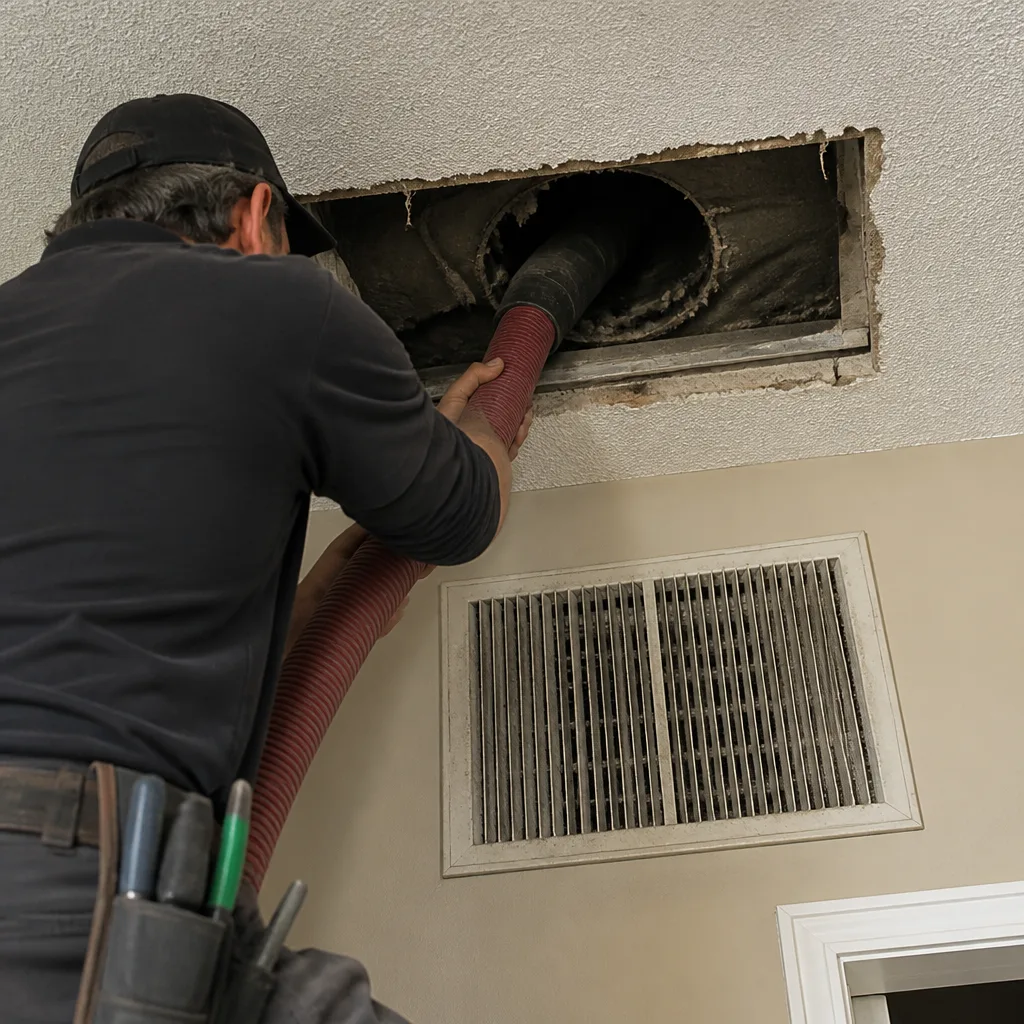
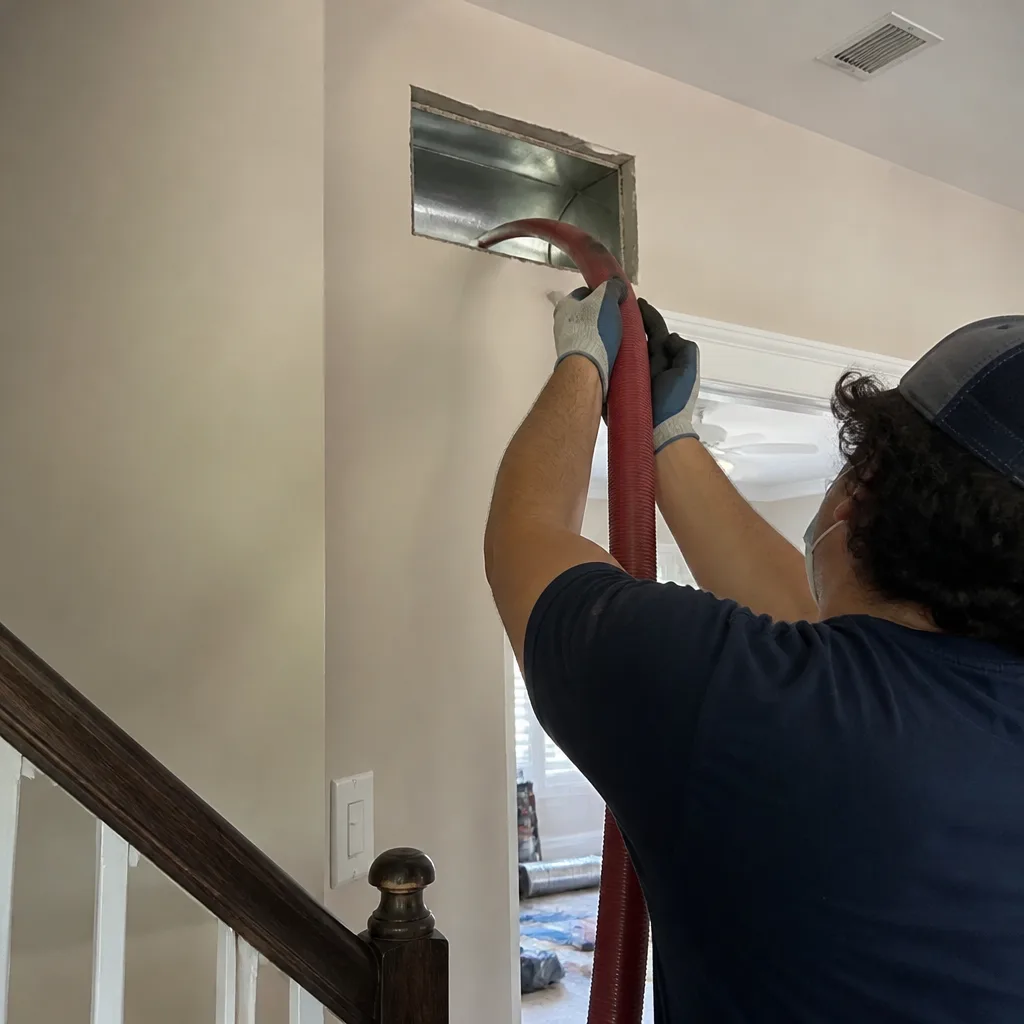
Air duct cleaning is not a quick vacuum pass through a few registers. The NADCA ACR standard (the only recognized residential cleaning standard in North America) specifies source removal: debris must be dislodged from duct surfaces and extracted from the system. That requires two distinct tools working together. First, an agitation device (rotary brush, compressed-air whip, or skipper ball) physically scrubs the interior walls of the supply trunks, return trunks, and branch lines. Second, a negative-air machine or truck-mounted vacuum creates continuous suction at the system level so loosened debris is pulled out, not blown around the home.
The steps, in order:
- System inspection before work begins. The technician opens the supply and return plenums, inspects the air handler, coil, and blower, and documents current condition. In Sandy Springs, where summer humidity runs high, this inspection often reveals mold staining or moisture intrusion that changes the scope.
- Register and grille removal. Every supply register and return grille is removed, cleaned, and set aside. The duct openings are sealed or fitted with access covers.
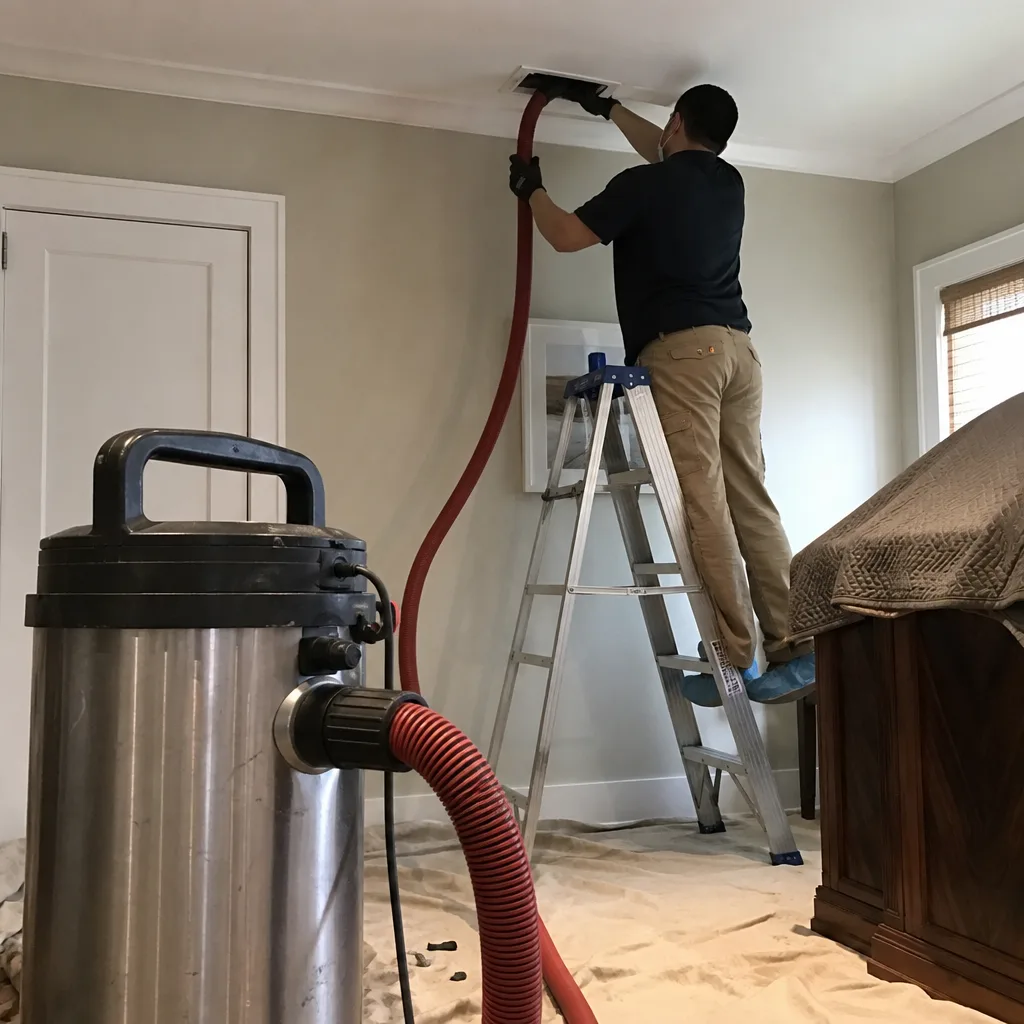
- Negative-air setup. A HEPA-filtered negative-air machine (or truck-mounted unit) is connected to the trunk line. This creates a vacuum inside the duct system so no dust escapes into the living space during agitation.
- Agitation and extraction. Each branch line is accessed individually. The agitation tool scrubs the duct walls, and the negative-air machine extracts the loosened material. This is repeated for every run, in every zone.
- Component cleaning. The blower, evaporator coil, drain pan, and plenums are cleaned with HEPA vacuums and appropriate brushes. Skipping this step leaves a reservoir of debris that recontaminates the ducts within weeks.
- Final reassembly and verification. Registers are reinstalled, the system is re-checked for airflow, and the homeowner is walked through the results, typically with before-and-after photos.
At Hollis Air Duct Cleaning in Sandy Springs, every one of these steps is completed by a background-checked, uniformed technician. The price is written down before any of it begins, and it does not move at the door. That is the Garrison Standard, and it applies to every job we run.
Why Equipment Matters: The Negative-Air Method vs. Suck-and-Go
There are two fundamentally different approaches to duct cleaning, and the equipment reveals which one a contractor actually plans to use. The first is contact cleaning, which means a vacuum hose touches the duct surfaces and removes loose debris. It is what a homeowner can approximate with a shop vac and a long hose. It does not dislodge material that has compacted onto duct walls over years, and it cannot reach most of the system.
The second is source removal, the method the NADCA ACR standard specifies. Source removal combines continuous negative air pressure with mechanical agitation to strip debris from duct surfaces and carry it out of the system. A negative-air machine rated for residential use draws between 2,000 and 4,000 CFM and is HEPA-filtered at the exhaust. A truck-mounted vacuum is even more powerful. The agitation side typically comes from a rotary brush system (Rotobrush is the standard in the trade) or compressed-air whips.
Here is why this matters in dollars: a proper negative-air machine costs between $6,000 and $18,000 new. A truck-mounted unit runs $30,000 and up, not counting the vehicle. A $49 or $99 coupon cannot cover operating costs for this equipment. When a contractor advertises a price that low, they are either not bringing the equipment, or the advertised price applies to a meaningless fraction of the system (one vent, one return, a “starter” package). In Sandy Springs, we regularly see this pattern: a low teaser price that becomes a $1,200 invoice once the technician is on the driveway, because the actual job requires the actual equipment.
Ask any contractor one question before booking: “What agitation tool and what extraction method do you use, and can you name the equipment brand?” If they hesitate, the job is not going to meet the standard. Our crews run Rotobrush rotary brush systems paired with Nikro negative-air machines, the same combination used in commercial and restoration work. We also carry filtration products from Honeywell and Aprilaire for customers who need media filters or whole-home filtration after the cleaning is done. If you want to know more about the service itself, start Hollis Air Duct Sandy Springs home.
Sandy Springs Housing Stock and What It Means for Your Ducts
Sandy Springs is not a uniform market. The housing stock spans from 1960s and 1970s ranch homes in neighborhoods like Mount Vernon Woods and North Springs, to 1990s and 2000s construction in the Perimeter area, to newer infill builds in the Riverside corridor. That matters for duct cleaning because the age and material of the duct system change the scope of the job.
Homes built before the mid-1980s in Sandy Springs often have rigid sheet-metal ducts with fiberglass internal insulation. The insulation degrades over time, releasing fibers and trapping dust in the rough surface. These systems typically hold far more debris than newer construction, and they require more thorough agitation to clean properly. The galvanized metal itself can develop surface rust in the humid months, which adheres dust to the walls.
Homes built in the 1990s and 2000s generally use flexible insulated duct (flex duct) for branch runs. Flex duct has a plastic inner liner that is smoother than metal but far more delicate. Aggressive brushing can tear the liner or disconnect the duct at the fittings, which is why a technician has to know the material before choosing the agitation method. Newer Sandy Springs construction, including the apartment and townhome build-out around Dunwoody and Roswell Road, often has duct systems that are technically clean but poorly sealed at the plenum connections, which is a different problem altogether.
The size of the system matters more than the home’s square footage. A 2,800-square-foot house with two systems has twice the trunks, twice the returns, and twice the branch runs of a single-system home. A legitimate quote in Sandy Springs should reflect the number of systems, the number of returns, and the duct material. Any contractor who quotes a flat rate over the phone without asking these questions is not planning a real cleaning.
How to Read a Written Quote Line by Line
The written quote is where the difference between a disciplined contractor and a bait-and-switch operation becomes visible. Our How to Hire a Air Duct Cleaning Contractor in Sandy Springs: A Step-by-Step Guide covers what to look for. Every legitimate quote should contain the following elements, and you should read each one before the technician walks in.
- Scope of work – Which systems are included? “All supply ducts, return ducts, trunk lines, registers, and grilles” is the right language. “Vents cleaned” is a red flag; it often means only the visible register covers, not the ducts behind them.
- Access method – How will the technician access each branch line? Through existing registers, or by cutting access holes? If access holes are required, the quote should state who patches them and at what cost.
- Agitation and extraction equipment – The quote should name the method: rotary brush, air whip, negative-air vacuum. “We use professional equipment” is not a line item; it is a dodge.
- Component cleaning – Are the blower, coil, and drain pan included? Many low quotes exclude them and then present them as a necessary add-on once the system is opened. Insist that the quote states yes or no in writing.
- Verification – How will the contractor prove the job was completed? Photos, video inspection, or both? The quote should say it.
- Total price and guarantee – The total price should be one number, written down, with no asterisks or “plus materials” language. The guarantee should state its duration and its conditions. At Hollis, that is the 365-Day Done Right Promise: if the work fails within a year, we return at no charge, including a free second visit.
In our experience, Sandy Springs homeowners are savvier about this than most markets. Many of them have been through a no-show or a door-price jump before, and they read quotes carefully now. We encourage it. Our price is written before work starts, and the line items above are on every job sheet. There is nothing to hide, and nothing to negotiate at the door.
Post-Cleaning Verification: How to Confirm the Job Was Done
The most common complaint in the duct cleaning trade is not that the work was done poorly. It is that the work was not done at all. A crew shows up, moves a vacuum around for ninety minutes, hands over an invoice, and leaves. The homeowner has no way to verify whether the ducts were actually cleaned, because the ducts are out of sight.
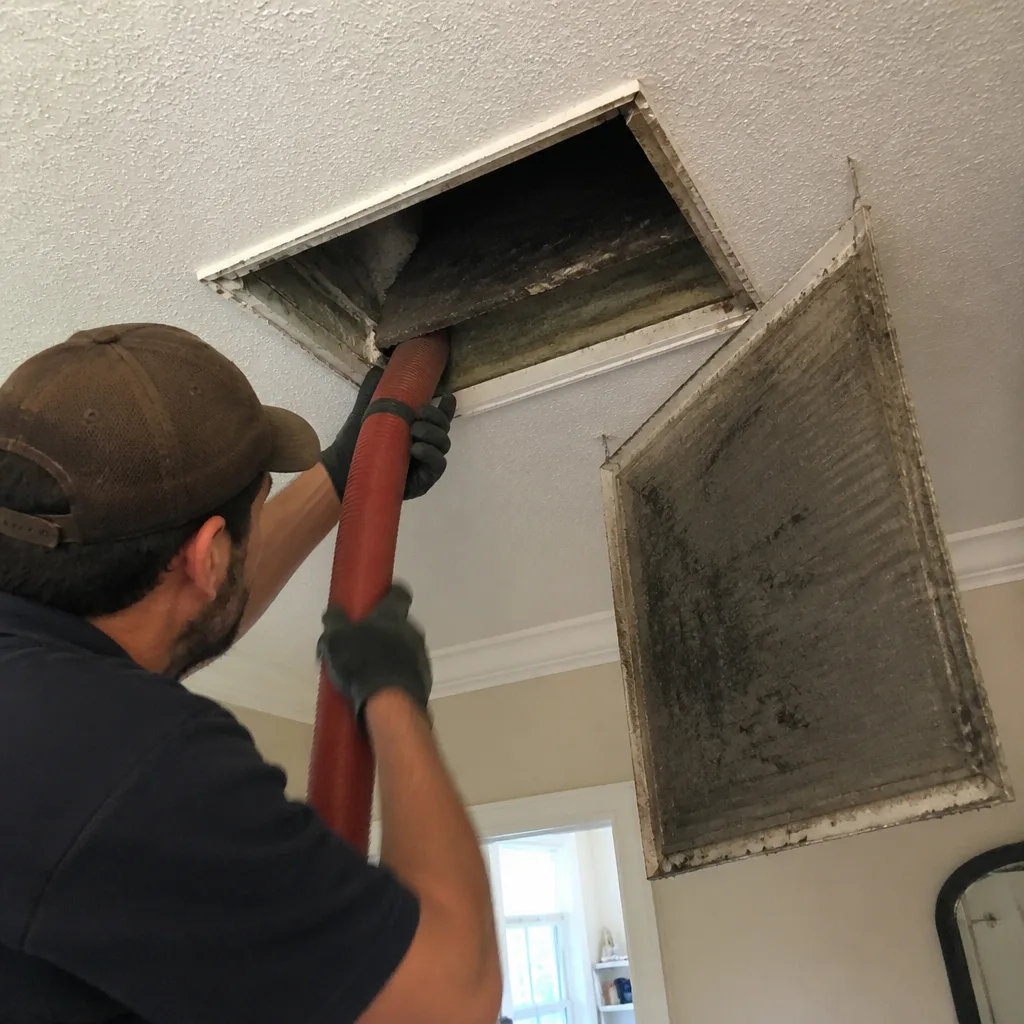
A legitimate contractor will offer verification that stands up to scrutiny. The industry standard is before-and-after photo documentation taken through the access points during the job. A borescope or inspection camera captures images of the main trunks and representative branch runs before cleaning begins and after it is finished. The after photos should show clean metal or clean flex liner, not a thin layer of residual dust. Some contractors post these photos to a portal or email them directly.
Video inspection is a step up. It documents the entire run in motion, which is harder to fake. We use photo verification on every job and we walk the homeowner through the results before we leave the site. You should be able to see the difference with your own eyes, not take someone’s word for it.
The second verification method is airflow testing. A static pressure reading before and after cleaning shows whether the clean has improved airflow through the system, which is the whole point of the job. A drop in static pressure after cleaning means less resistance in the ducts, which means the blower is working less hard to move the same amount of air. That is a measurable, physical result, not a subjective opinion.
How Often Do Sandy Springs Ducts Actually Need Cleaning?
NADCA recommends cleaning residential duct systems every 3 to 5 years, with more frequent service in specific circumstances. Sandy Springs has a few conditions that push many homes toward the shorter end of that range. The hot, humid summer season runs from May through September, and those months drive condensation inside duct systems, especially in unconditioned attics and crawl spaces. Condensation makes dust cling to duct surfaces instead of passing through to the filter, which accelerates buildup.
Other factors that shorten the interval: pets that shed heavily, recent renovation work (drywall dust is extremely fine and settles deep in the system), smokers in the household, allergy or asthma sufferers, and any history of water intrusion. A single roof leak into a return chase can introduce enough moisture to create a mold situation, and in Sandy Springs’ climate, that can happen in a matter of days rather than weeks.
Homes near the Chattahoochee River corridor, including the Riverside and Heards Ferry areas, often see higher ambient humidity than the rest of the city. The same applies to homes with heavy tree canopy, which shade the roof and keep attic temperatures lower, but also trap moisture near the foundation. If you live in one of these pockets and have not had your ducts inspected in five years, it is worth scheduling an inspection, even if a full clean is not yet necessary. A good inspection is cheap. A neglected duct system that has become a mold reservoir is not.
Duct Sealing and Duct Cleaning: Two Different Jobs
Duct cleaning removes debris from inside the ducts. Duct sealing in Sandy Springs closes the gaps, cracks, and disconnected joints that leak conditioned air into the attic or crawl space. They are different jobs with different tools, and a responsible contractor will tell you when one is needed and the other is not.
The cleaning process often reveals sealing problems. When a technician opens the plenum or inspects branch connections, it is common to find gaps that have been leaking air for years. Sealing these gaps requires mastic, a thick paste that is brushed onto the joints and hardens into a permanent seal, or specialized aerosol sealing systems that fill gaps from the inside. Duct tape, despite the name, is not the right material and fails within a season or two in an unconditioned attic.
In Sandy Springs, duct leakage is a particularly expensive problem for two reasons. First, the summer cooling load is heavy, and every cubic foot of conditioned air that leaks into a hot attic is money spent cooling insulation. Second, gap-sealed ducts draw less unconditioned air from the attic, which means less dust, less humidity, and less pollen entering the system in the first place. A duct cleaning done right often ends with a conversation about duct sealing, because the two jobs are complementary, not competing.
We clean first, then seal. Cleaning before sealing ensures the mastic bonds to clean duct surfaces, not a layer of dust. The quote for each job is written separately, so you know exactly what you are paying for at every step. There is no bundled mystery pricing and no add-on that appears unannounced.
Common Mistakes to Avoid
- Booking on price alone. A $99 whole-house cleaning is not a cleaning. The equipment required for the job costs thousands of dollars to own and operate, and a price that low means the contractor is either not doing the job or planning to upsell aggressively once on site.
- Not asking about the method. “Duct cleaning” is not one method. Contact cleaning is surface-level; source removal is the NADCA-specified standard. If the contractor cannot name their agitation and extraction tools, you are not talking to a contractor; you are talking to a salesperson.
- Accepting a verbal quote. A price spoken over the phone but not written down is not a price. It is an opening position. Insist on a written quote with line items before the technician drives to your house.
- Skipping the inspection. A legitimate contractor inspects the system before quoting. In Sandy Springs, homes range from 1960s sheet metal to 2010s flex duct, and the scope changes dramatically based on duct material. No inspection means no informed quote.
- Ignoring the components. The blower, evaporator coil, and drain pan are part of the system. If the quote only covers “ducts,” you are paying for half a job. The components are the reservoir that recontaminates the ducts within weeks.
- Not requesting verification. Without before-and-after photos or video, you have no way to know whether the job was done. A contractor who refuses verification is a contractor who knows the work will not stand up to it.
- Treating duct cleaning as a one-time event. The system gets dirty again. The question is how quickly. Sandy Springs humidity and pollen loads mean most homes should be inspected every 2 to 3 years and cleaned every 3 to 5.
When to Call a Professional
Some signs are obvious: visible dust or debris blowing from registers when the system starts, musty odor throughout the house when the air runs, or family allergy symptoms that worsen indoors. But some conditions are invisible without opening the system. If you have lived in a Sandy Springs home for more than five years and have never had the ducts inspected, you do not actually know what is in them. Renovation work, a history of roof leaks, or a heavy shedding pet are all reasons to schedule an inspection. A professional can inspect the system, document its condition, and give you a written price for cleaning if it is needed. Hollis Air Duct Sandy Springs offers free estimates in Sandy Springs. Call (229) 489-7780 and we will send a background-checked technician inside your quoted window, with the price written before any work begins.
Frequently Asked Questions
A legitimate whole-house air duct cleaning in Sandy Springs typically costs between $450 and $1,200, depending on the number of systems, the number of returns, the duct material, and how long it has been since the last cleaning. Single-system ranch homes with metal ducts usually fall at the lower end; two-system homes with flex duct and years of buildup trend higher. The price should be written down before work starts and should not change at the door. Call (229) 489-7780 for an exact quote, estimates are free.
Cheap quotes are typically door-openers for a sales pitch, not prices for a completed job. The equipment required for source removal, a negative-air machine paired with a rotary brush or air whip, costs tens of thousands of dollars to own and operate. A $99 price cannot cover that cost, which means the contractor either is not bringing the equipment or plans to upsell aggressively once inside the house. If a price looks impossible, it probably is.
Ask for before-and-after photo documentation taken through the access points during the job. The after photos should show clean duct surfaces with no residual debris. Video inspection and static pressure readings are additional verification methods. A contractor who refuses to provide any verification is not someone you want working in your home.
NADCA recommends every 3 to 5 years for most homes, with more frequent service for homes with pets, smokers, allergy sufferers, or recent renovation dust. Sandy Springs’ high summer humidity causes condensation inside duct systems, which makes dust cling to duct walls and accelerates buildup. Homes in high-humidity pockets near the river corridor often need attention sooner.
A properly run job is not messy because the negative-air machine keeps the system under continuous vacuum during agitation. Debris is extracted at the machine, not blown into the living space. Registers and grilles are removed and cleaned, and the technician should leave the site clean. That is part of the Garrison Standard: the site is left the way it was found, minus the dust in the ducts.
Yes. Dryer vent cleaning in Sandy Springs is a separate service, and it addresses a different safety and efficiency concern than duct cleaning. We recommend having the dryer vent cleaned at the same time as the ducts, simply because both systems accumulate lint and debris and both benefit from the same documented, written-price approach. Call (229) 489-7780 and we will quote both in writing before anything starts.
The Bottom Line
Air duct cleaning in Sandy Springs is a real mechanical process with real costs attached, and the homeowners who understand that get better results. The job requires professional-grade equipment, a written scope of work, and verification that the debris actually left the system. Low-price coupons cannot deliver that, because the equipment costs more than the coupon. Hollis Air Duct Sandy Springs has served this city since 2004 under the Garrison Standard: written prices, written guarantees, and the 365-Day Done Right Promise on every job. Explore more guides & resources on our blog. Call (229) 489-7780 for a free estimate and get a price in writing before any work begins.
Written by Roy Castellanos, Owner at Hollis Air Duct Sandy Springs, serving Sandy Springs since 2004.
See the difference
 Before
 After
 Before
 After
 Before
 After