
Last updated October 15, 2026
 Whole-home duct cleaning
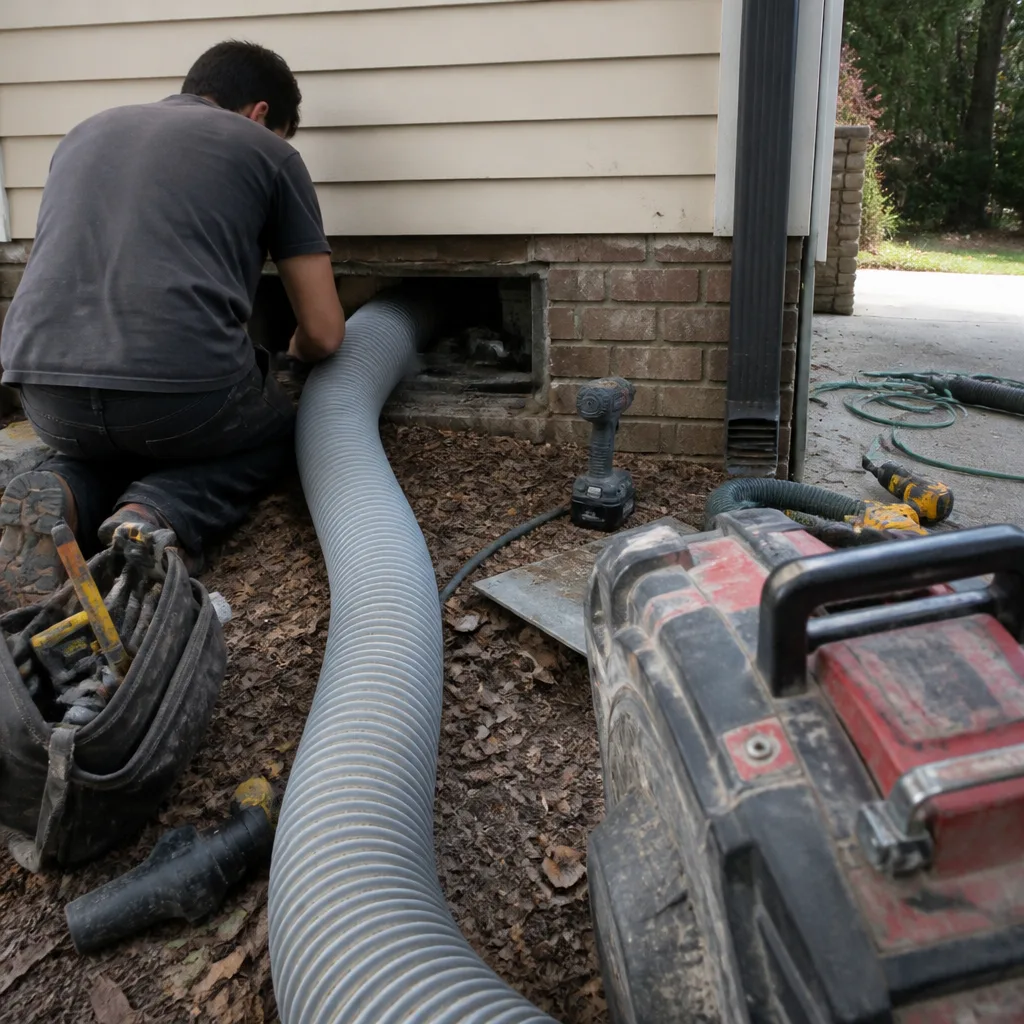
 Dryer vent cleaning
 Camera inspection
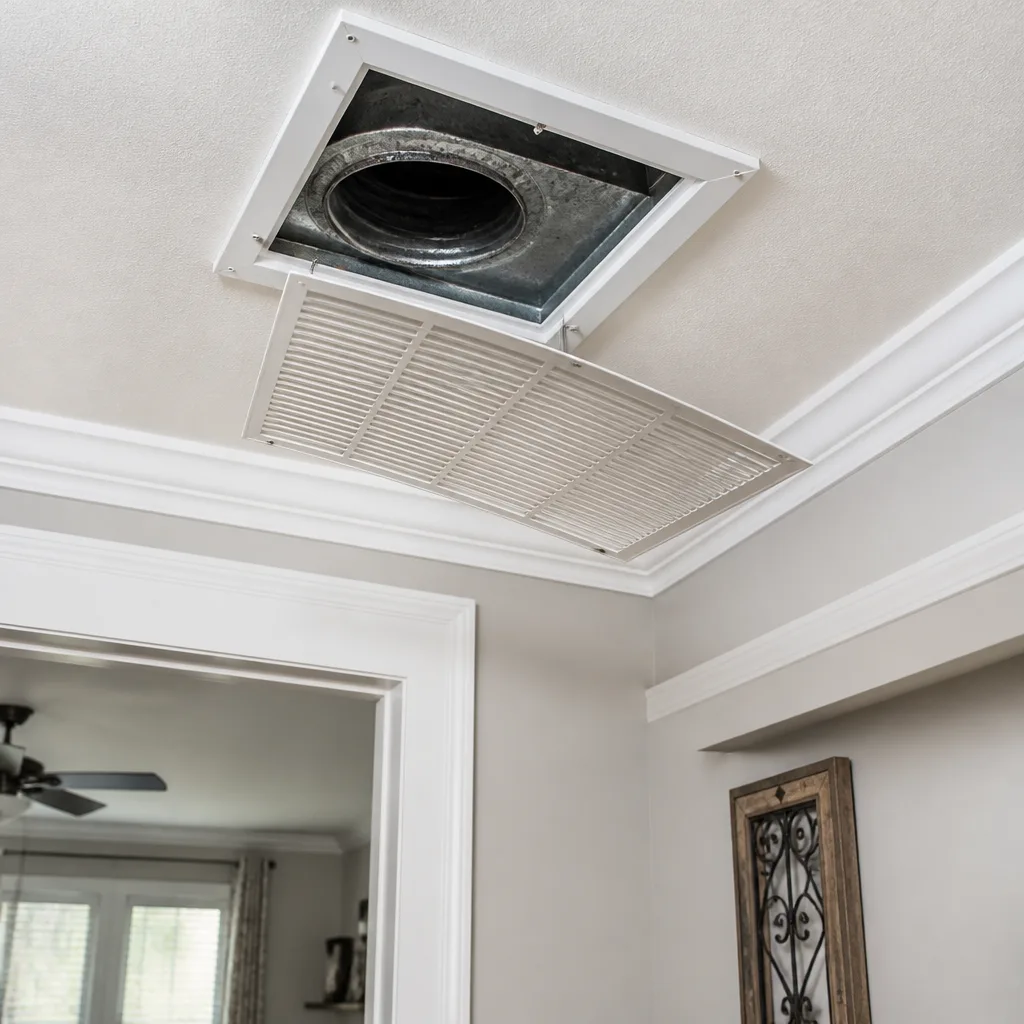 Sanitizing & deodorizing
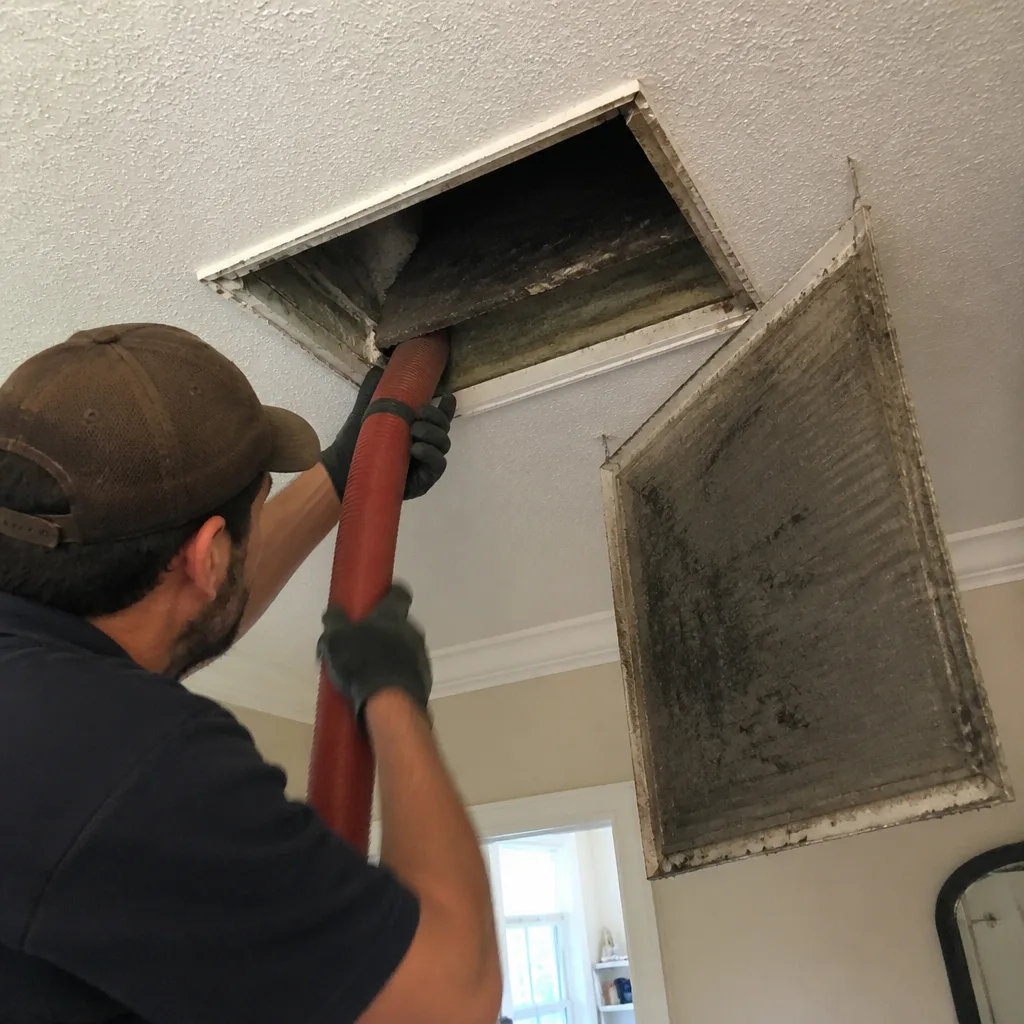
Whole-system duct and dryer vent check with before-and-after photos - you see exactly what came out of your vents
That "$99 whole-house special" is a bait ad - the real number appears once they are in your hallway, or the "clean" is a shop-vac at the register. We photograph the inside of your ducts before and after instead.
Air Duct Cleaning Warning Signs: A Sandy Springs Homeowner’s Reference Guide
Uneven heating and cooling between rooms is the most common complaint that leads Sandy Springs homeowners to call an HVAC technician first, when the actual cause is often debris restriction in a supply branch rather than an equipment failure. A duct cleaning would have been the right first call, and it would have cost less than a service visit that ends with “your system is fine.” This guide gives you the specific, observable signals that tell you whether your duct system is the problem. You’ll learn to name what you’re seeing, which means when you do call a contractor in Sandy Springs, you’ll be describing facts instead of feelings, and you’ll get a better service call for it.
Styles & brands we work with
Quick Answer
The clearest warning signs that your air ducts need cleaning in Sandy Springs are visible debris falling from supply registers, uneven airflow between rooms, utility bills rising without a change in thermostat settings, a musty or burning smell on system startup that fades after a few minutes, and allergy symptoms that worsen in specific rooms. If you notice two or more of these together, the duct interior is likely restricting airflow and circulating particulate that should have been captured at the filter. A professional inspection with negative-air equipment will confirm what’s happening inside the ducts within an hour.
Table of Contents
- Dust at a Register vs. Debris Fallout: How to Tell the Difference
- Uneven Airflow Room to Room: What Your Registers Are Telling You
- The Utility Bill Pattern That Points to Duct Restriction
- Musty, Metallic, or Burning Odors on Startup: What Each Smell Means
- Room-Specific Allergy Symptoms and What They Suggest About Localized Duct Conditions
- Mold Growth at a Register vs. Condensation Discoloration
- How Professional Duct Cleaning Actually Works in Sandy Springs
- Common Mistakes to Avoid
- When to Call a Professional
- Frequently Asked Questions
- The Bottom Line
Dust at a Register vs. Debris Fallout: How to Tell the Difference
Every register in Sandy Springs collects a thin film of dust on its louvers within weeks of cleaning. That’s normal. The air moving past the register carries household dust, and some of it settles on the metal or plastic surface. Debris fallout is different. Debris fallout means you’re finding material on the floor, furniture, or windowsill below the register that wasn’t there the day before, and it’s coarse enough to see individual particles: flecks of drywall, bits of construction debris, pet hair clumps, or dark specks that look like coffee grounds.
Here’s the distinction that matters. Normal register dust is fine, gray, and uniform. It sits on the register itself. Debris fallout lands below the register, on horizontal surfaces, and it accumulates fast enough that you notice it between regular cleaning sessions. If you wipe a windowsill under a supply register on Monday and find visible particles back by Thursday, the duct interior is loaded beyond what airflow can suspend. The air is carrying heavier material because there’s too much of it in the duct, and the velocity is dropping enough that particles fall out at the register instead of staying airborne.
We’ve seen this in Sandy Springs homes that were renovated before the current owner moved in. Drywall dust and sawdust settle in the return and supply ducts during construction, and while the coarse stuff never made it far enough to matter, the fine particulate works its way to every register in the house, falling out in rooms far from where the work happened. If you can see puffs of dust when the system kicks on, or if you find dark streaking on walls near registers, that’s debris fallout. It’s a warning sign, not a household dusting problem.
Uneven Airflow Room to Room: What Your Registers Are Telling You
Stand in a doorway between two rooms on the same floor with the system running. If one room feels noticeably warmer or cooler than the room next to it, and the thermostat doesn’t explain the difference, you’re feeling a restriction somewhere in the supply branch serving that room. Duct restriction comes from debris accumulation inside the duct, a collapsed or crushed section of flexible duct, or a damper that’s been closed and forgotten. The debris version is the most common in Sandy Springs, especially in homes built before 2000 where return-air filter placement was less standardized.
The register itself tells you part of the story. Hold a tissue near a supply register in the cold room and then near one in an adjacent room. If the tissue barely moves in the cold room but flutters strongly in the other, the airflow difference is measurable, and it’s pointing at the duct, not the HVAC system. A furnace or air handler moves air through the whole system equally. It doesn’t know which room to shortchange. The restriction happens downstream, and debris is the usual cause.
Sandy Springs has a stock of 1970s and 1980s ranch and split-level homes where original ductwork is still in service. In these systems, we commonly find supply branches with 40 years of dust and pet hair compacted in the first few feet after the takeoff, where the duct makes a turn and air velocity drops. The room at the end of that branch gets warm in July and cold in January while the rest of the house is comfortable. Cleaning that branch restores the room to within a degree or two of the rest of the house. If the problem doesn’t resolve after cleaning, the restriction is structural, and duct sealing in Sandy Springs addresses the leak side of the same problem.
The Utility Bill Pattern That Points to Duct Restriction
Restricted ducts make your HVAC system work harder to move the same amount of air, and that work shows up on your Georgia Power or Gas South bill as higher consumption for the same thermostat setting. The pattern to look for: your July cooling bill runs 15 to 25 percent higher than the previous July without a change in thermostat setting, equipment age, or occupancy. Not a one-month spike, which could be weather, but a seasonal pattern that holds across a full cooling or heating season.
Establish a baseline before you call anyone. Pull 12 months of electric bills. Note the thermostat setpoints you actually use. Then compare this summer’s kWh against last summer’s, accounting for degree days if you want to be precise. Sandy Springs summers don’t vary enough year to year to explain a persistent 20 percent increase with the same setpoint on the same equipment. That gap is the system working harder, and the most common hard-working cause is a dirty evaporator coil or restricted ducts. If your filter has been changed regularly, the coil is less suspect, and the ducts become the primary candidate.
Here’s the sequence to follow:
- Pull 12 months of electric bills and note kWh consumed per billing period.
- Confirm the thermostat setpoint hasn’t changed from the same period last year.
- Change the filter and run the system for two weeks to rule out the cheapest fix.
- If the consumption gap persists, have the ducts inspected with a camera or negative-air test.
Restricted ducts also cause the system to run longer to reach setpoint, which means more runtime and more kWh, and that’s the mechanism, not a mystery. Reversing it starts with removing the restriction. Air duct cleaning in Sandy Springs addresses the restriction directly. If the system is still working hard afterward, the next step is evaluating the equipment, but you’ll have eliminated the cheapest and most common cause first.
Musty, Metallic, or Burning Odors on Startup: What Each Smell Means
Three smells on system startup tell three different stories, and each points at a different condition inside your ducts.
Musty odor on startup is the smell of microbial growth or accumulated organic material inside the duct. The smell is strongest when the system first kicks on because the air has been sitting against that material all night or all day, picking up odor, and the first few minutes of airflow push it into the room. Once the air moves, the odor fades. In Sandy Springs, where summer humidity runs high, condensation forms on the inside of supply ducts that run through unconditioned attic space. That moisture combines with dust to create exactly the environment where the musty smell develops. This smell warrants a duct inspection and cleaning. It doesn’t warrant panic, but it doesn’t resolve on its own.
Metallic odor is less common and more serious. A metallic smell on startup, especially in heating season, can indicate that something inside the air handler or duct is overheating, or that the heat exchanger has a small crack. If you smell something metallic, turn the system off and have it inspected before running heat again. This is not a duct cleaning issue. This is a safety issue, and it takes priority over everything else on this page.
Burning or dusty smell on first heating cycle of the season is, in most cases, the accumulated dust on the heat exchanger burning off. It should clear within 30 to 60 minutes and not return. If the burning smell persists beyond the first cycle or recurs every time the system runs, shut it down and call an HVAC technician. Persistence means the smell isn’t dust burn-off. It means something is actually overheating.
Each of these smells is a data point about the duct interior. The musty one is the one that most often leads to a cleaning. The other two lead to a service call that might end with a cleaning, but the safety question comes first.
Room-Specific Allergy Symptoms and What They Suggest About Localized Duct Conditions
Allergy symptoms that follow you around the house point at your immune system. Allergy symptoms that appear in one room and clear up in another point at the air delivery system. If you wake up congested in the primary bedroom but feel fine in the kitchen, and both rooms get air from the same system, the bedroom’s supply branch is likely carrying particulate that the kitchen’s is not.
The mechanism is straightforward. Duct systems accumulate dust, pollen, pet dander, and in Sandy Springs especially, a heavy spring pollen load that gets pulled into the return and distributed before the filter catches it. When one branch has more accumulation than another, that branch delivers a higher particulate concentration to its room. The room-specific symptom pattern is the tell: same house, same system, same occupant, different rooms, different symptoms.
Track it for two weeks. Note which rooms trigger symptoms and which don’t. Note whether symptoms correlate with the system running or with time of day. If the pattern holds, the next step is a duct inspection focused on the branches serving the symptom rooms. A camera inspection will show whether the branch is loaded with debris or whether the problem is something else, like a return leak pulling air from a crawl space or attic into that part of the system.
We’ve worked on Sandy Springs homes where a bedroom addition was tied into original ductwork without balancing the system, and the new branch ran through an unconditioned attic. That branch collected condensation, the condensation collected dust, and the room collected symptoms. Cleaning the branch and sealing the duct cured the room. The system didn’t need replacement. It needed the branch cleaned and the moisture source eliminated.
Mold Growth at a Register vs. Condensation Discoloration
Dark staining around a supply register is either mold growth or condensation discoloration, and the difference matters. One warrants immediate shutdown of the system. The other is cosmetic and resolves when the moisture source is addressed.
Mold growth appears as dark spots or patches that look fuzzy, raised, or textured. It grows outward from the register opening onto the surrounding ceiling or wall, and it doesn’t wipe away cleanly with a damp cloth. Mold growth on or around a register means moisture is present inside the duct near that register, and the mold is following the moisture. Stop running the system until the mold and the moisture source are both addressed. Running air through a mold-contaminated duct distributes spores through the house.
Condensation discoloration appears as a gray or brown stain, often in a ring or streak pattern, and it’s flat, not fuzzy. It wipes mostly clean with a damp cloth, leaving behind a stain where the moisture reacted with paint or drywall. Condensation staining happens when warm, humid Sandy Springs air meets a cold register surface, usually in summer. The register sweats, the moisture runs, and the stain develops. It’s not mold, and it’s not a reason to shut down the system, but it is a signal that the register area is too humid or too cold. If it happens every summer, the duct serving that register may be under-insulated or leaking conditioned air into the attic or wall cavity.
The practical test: put on a disposable mask, wipe the area gently with a damp cloth, and look at what remains. If the surface is discolored but smooth, it’s staining. If the surface has texture or the stain is spreading outward past the register surround, treat it as mold until proven otherwise. Either way, the moisture source is the real problem. In Sandy Springs attics, uninsulated supply boots are the usual culprit, and the fix is insulation and sealing, often done as part of a duct sealing job.
How Professional Duct Cleaning Actually Works in Sandy Springs
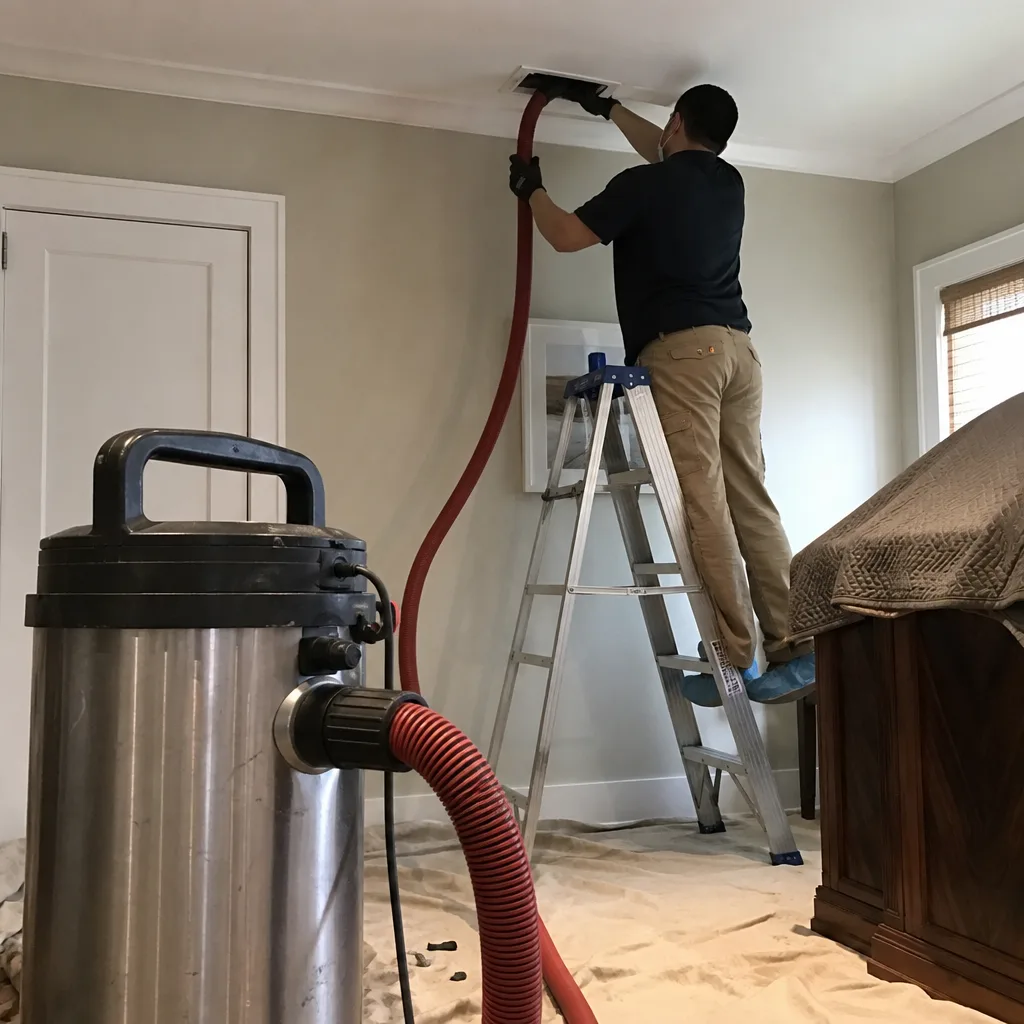
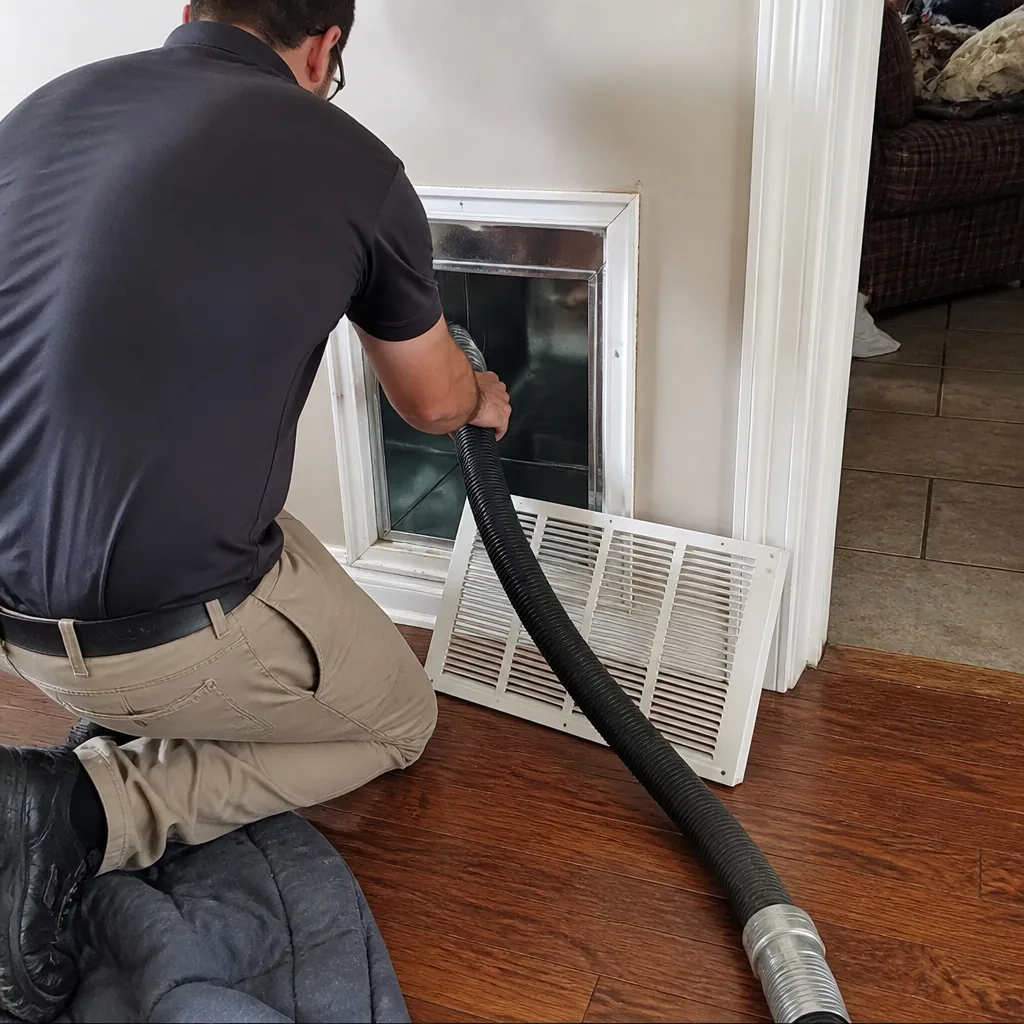
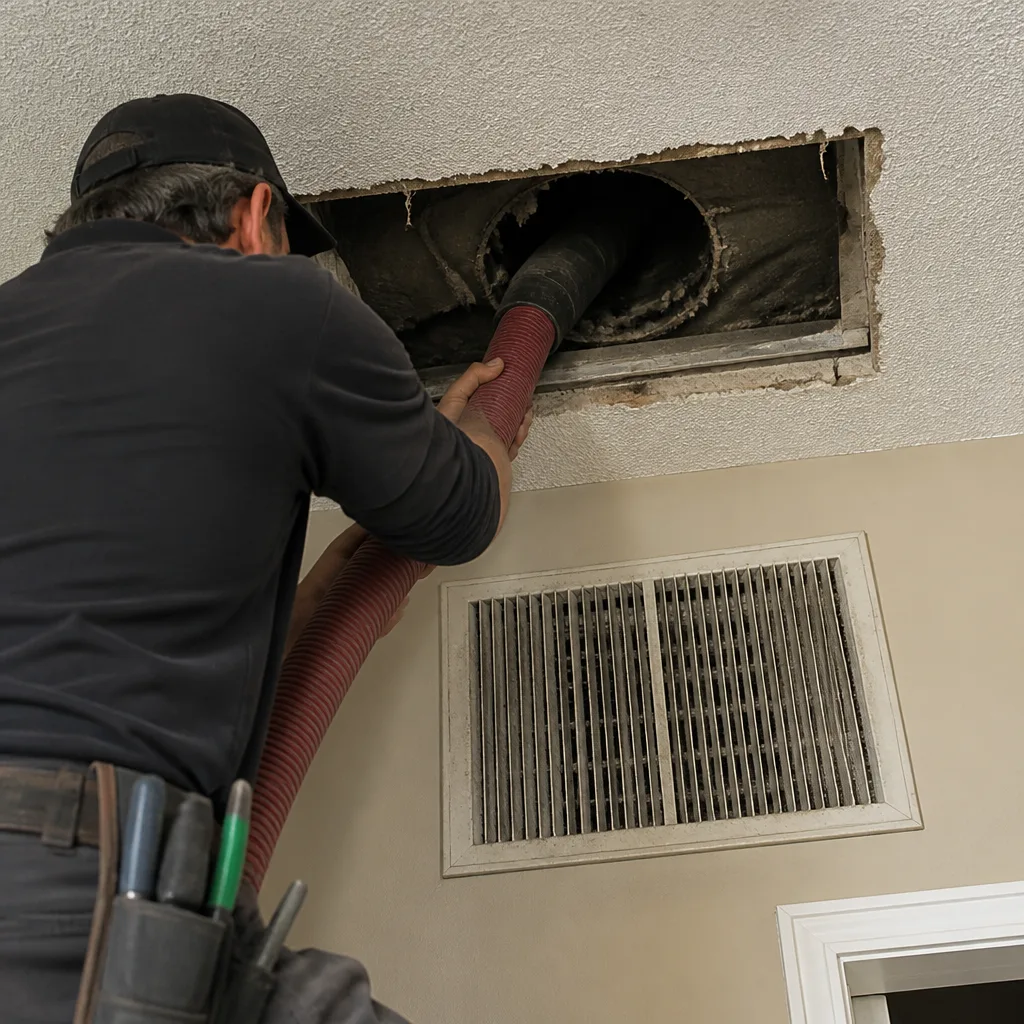
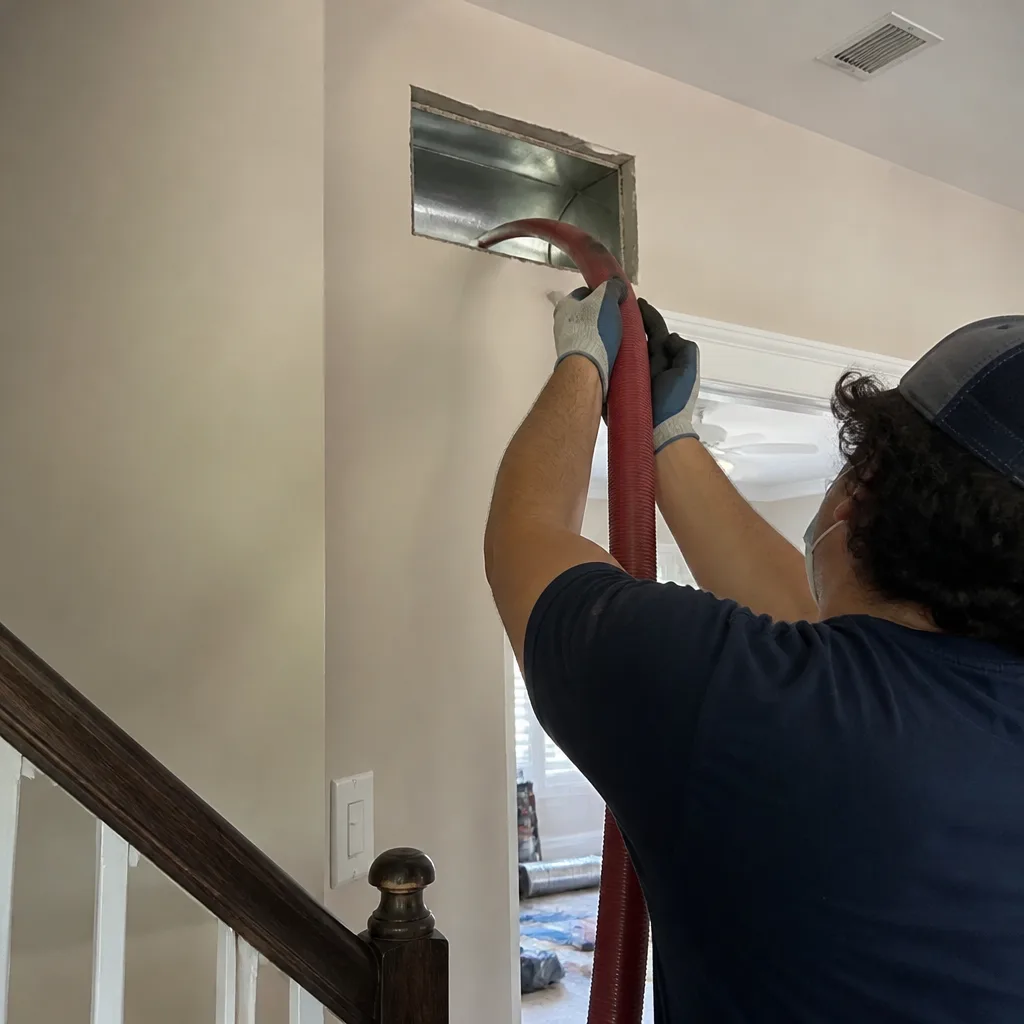
Knowing how the work is done helps you evaluate any contractor you call. Professional duct cleaning in Sandy Springs uses the negative-air method, sometimes combined with a rotary brush system. Here’s what to expect from a crew that works to a written standard.
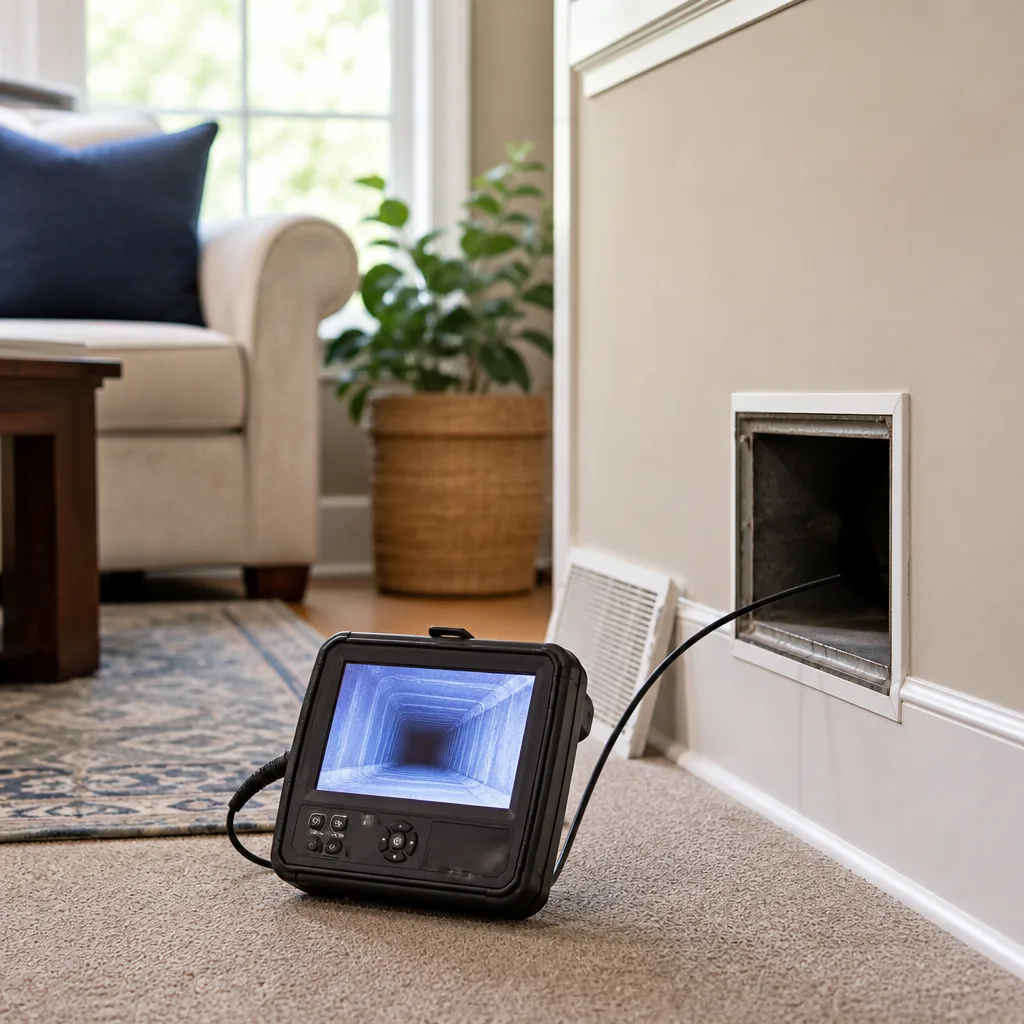
- Inspection first. The technician opens a section of duct or uses a camera to see what’s inside. You should be shown the images or the camera view. A crew that starts cleaning without looking inside is guessing.
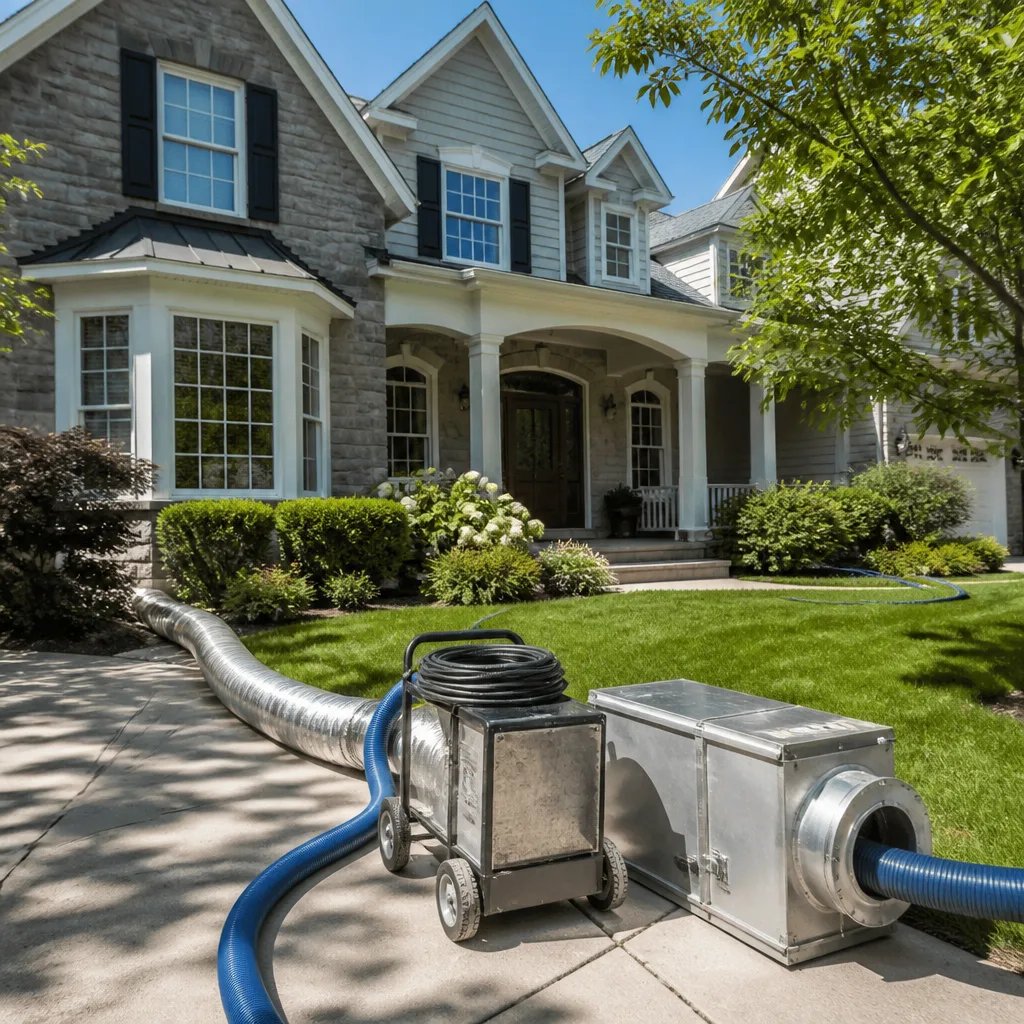
- Negative-air setup. A large vacuum unit is connected to the duct system, usually at the return or at the air handler. This creates negative pressure inside the ducts so that debris is pulled toward the vacuum instead of pushed into the house. The equipment used for this is professional-grade; Rotobrush rotary brush systems and Nikro negative-air machines are two brands you’ll see on quality trucks in this market.
- Agitation. A rotary brush or high-pressure air whip travels through each branch, dislodging debris from the duct walls so the negative air stream can carry it to the vacuum. Without agitation, negative air alone removes loose dust but leaves the compacted layer behind.
- Register and grille cleaning. Supply registers and return grilles are removed, cleaned, and reinstalled. This is the visible part of the job, and it’s the part you can check when the crew leaves.
- Final walkthrough. The technician shows you the vacuum canister or collection bag contents, reviews what was removed, and confirms the system is running properly. A written summary of the work and any findings should be provided.
The entire job typically takes three to five hours for an average Sandy Springs single-family home, depending on the number of branches and the amount of debris. Pricing in this market for a full system cleaning with negative-air equipment generally runs $400 to $800 for a typical home, with the final number depending on system size, accessibility, and whether the return side is included. Anyone quoting significantly below that range is either not using negative-air equipment or planning to upsell once they’re inside. The Hollis Air Duct Sandy Springs home page explains how our written-pricing standard works, and the air duct cleaning service page details what’s included.
Common Mistakes to Avoid
- Assuming a dirty filter means the ducts are fine. A filter captures only what reaches it. Duct debris that’s too heavy to reach the filter stays in the ducts. A dirty filter tells you the air is carrying particulate; it doesn’t tell you the ducts are clean.
- Waiting for visible black dust to take action. By the time you see dark particles around a register, the branch serving that register has been loaded for months or years. The work would have been cheaper and faster if done earlier.
- Treating room-specific symptoms as a whole-house allergy problem. Homeowners in Sandy Springs often spend thousands on air purifiers and medications before checking the air delivery system. The fix is sometimes a cleaning of one branch, not a lifestyle change.
- Believing a low coupon price is the real price. The duct cleaning industry has a well-earned bait-and-switch reputation. A $99 whole-house offer is not a real price. It’s a door-opener for a much larger invoice. Get the bottom-line number in writing before the crew starts.
- Skipping the inspection step. Any contractor who starts cleaning without showing you what’s inside the ducts first is not working to a standard. You’re entitled to know what you’re paying to remove.
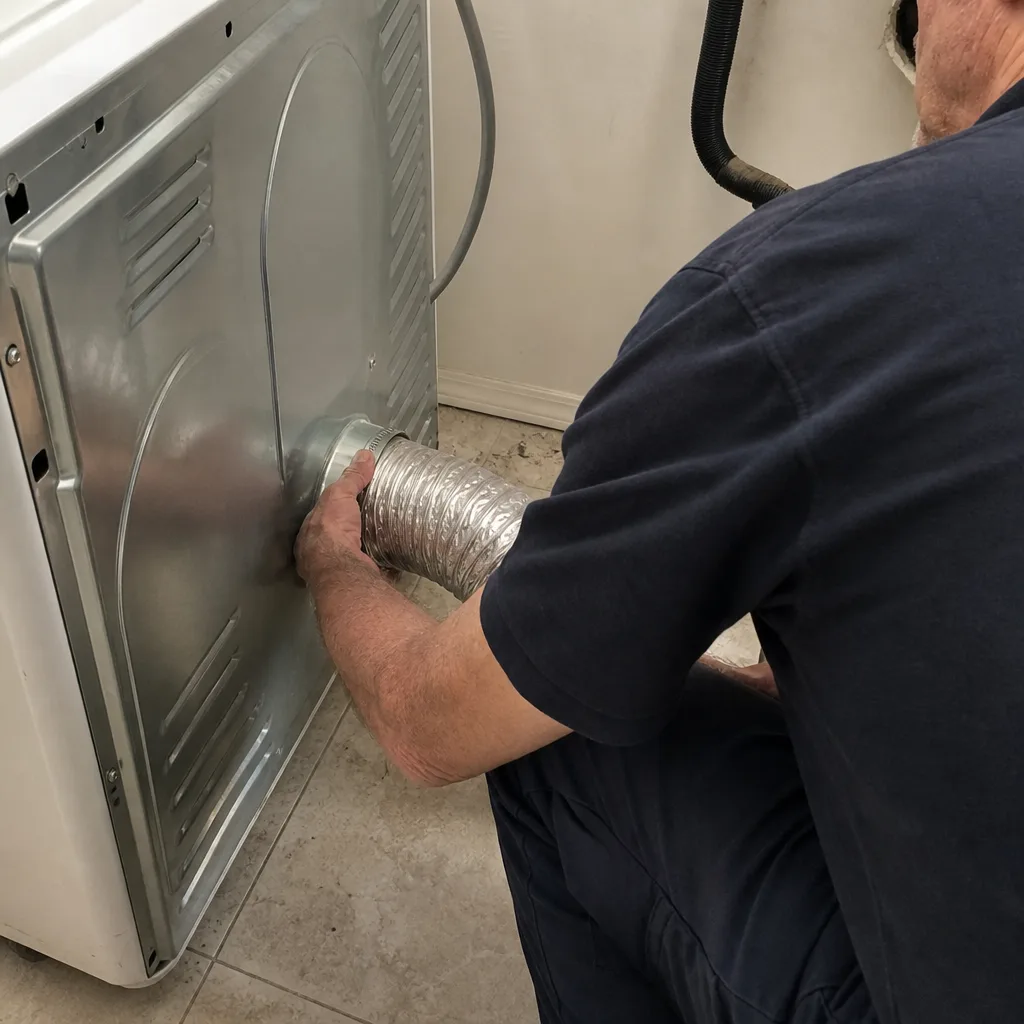
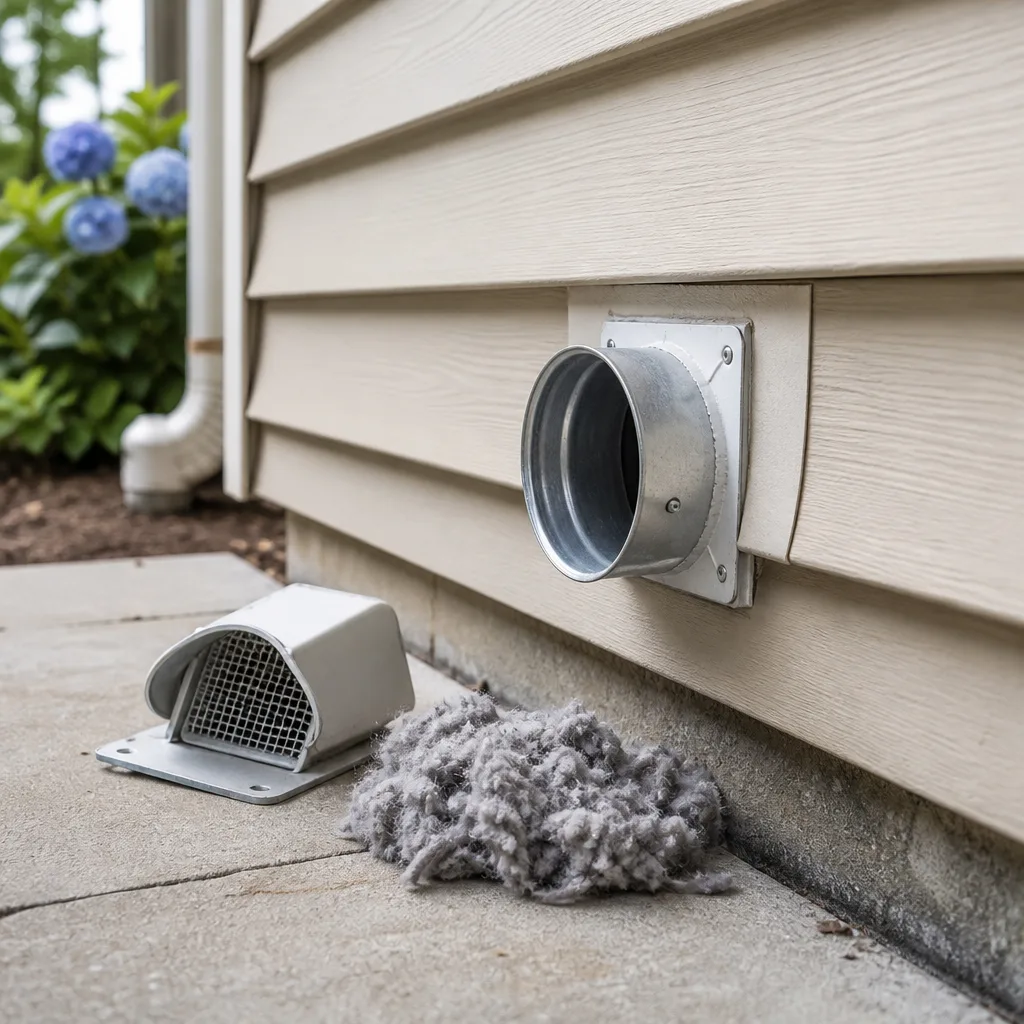
- Ignoring dryer vent cleaning as part of the system. The dryer vent is a separate duct, and it’s the one that causes house fires when neglected. Sandy Springs homeowners should have the dryer vent cleaned in Sandy Springs at the same time as the main ducts, since both jobs involve moving air through a duct and both are safety and efficiency items.
- Assuming new construction means clean ducts. New homes in Sandy Springs often have construction debris in the ducts from day one. Drywall dust, sawdust, and even fast food wrappers have been found in brand-new systems. New doesn’t mean clean.
When to Call a Professional
Call a professional when you can name two or more of the signals in this guide: debris falling from registers, uneven room temperatures, rising utility bills without a setpoint change, a musty smell on startup that persists across seasons, or allergy symptoms that follow specific rooms. Call immediately if you see textured dark growth around a register or smell something metallic on startup, and shut the system down until it’s inspected. Specifics matter when you call. Describe what you’re seeing, in which rooms, and how long it’s been happening. That description tells the company which equipment to bring and how much time to schedule. Hollis Air Duct Sandy Springs offers free estimates in Sandy Springs. Call (229) 489-7780 and you’ll speak to a live person who can schedule an inspection, not a voicemail tree.
Frequently Asked Questions
Normal dust sits on top of registers and wipes away easily; debris fallout lands below registers on floors and windowsills and returns within days of cleaning. If you see visible particles falling when the system starts, or dark streaking on walls near registers, the duct interior is loaded and cleaning is warranted. When in doubt, a camera inspection settles the question in about an hour.
Every 3 to 5 years for most Sandy Springs homes, more often if you have pets, recent construction, or allergy symptoms that correlate with time in specific rooms. The Georgia pollen season puts a heavy load on return ducts, and homes near wooded areas or on unpaved roads accumulate debris faster. Your filter change frequency is a good proxy: if you’re changing filters monthly and they’re black, the ducts are carrying more than the filter can handle.
Low-ball quotes in the duct cleaning industry usually mean the crew is not using negative-air equipment, or the quoted price is a teaser that will grow once the technician is inside your home. Real duct cleaning requires a truck-mounted or portable negative-air machine, agitation tools, and three to five hours of labor. In Sandy Springs, expect to pay $400 to $800 for a full system cleaning from a company that works to a written standard. The cheapest bid is the most expensive one, because it’s almost never the real price.
A legitimate crew will show you the vacuum canister or collection bag contents before they leave, and provide a written summary of what was removed from each branch. Most quality companies will also show you the camera footage from before and after the cleaning. If a crew refuses to show you what was removed, or finishes a whole-house cleaning in under two hours, the work was not done to the standard you paid for.
It helps when the ducts are the source of the particulate. Sandy Springs has one of the heaviest spring pollen loads in the Southeast, and that pollen infiltrates homes through return ducts and gets distributed before the filter catches it. If your symptoms improve when you’re away from home and worsen in specific rooms, the duct system is a likely contributor, and cleaning is a reasonable step before investing in additional filtration.
Duct cleaning removes debris from the inside of the ducts; duct sealing closes leaks and gaps that let conditioned air escape into attics and crawl spaces. Sandy Springs homes with ductwork in unconditioned spaces often need both, because leaks pull dust and humid air into the system while debris restricts airflow. The two services address different problems and are often done together as part of a full system service.
Mold in air ducts can trigger or worsen respiratory symptoms, especially in children, older adults, and anyone with asthma or allergies. If you see textured dark growth around a register, shut the system down and call a professional who can inspect the duct interior and recommend the right course of action. Not every dark stain is mold, but until someone has looked with a camera, treat it as mold and keep the system off. For a free estimate in Sandy Springs, call (229) 489-7780.
The Bottom Line
Duct problems announce themselves. Debris falling from registers, rooms that won’t hold temperature, utility bills that climb without explanation, and smells that greet you at startup are all signals you can act on. Learning to name what you’re seeing turns a vague worry into a specific work order, and it protects you from contractors who would rather sell you equipment than clean your ducts. Most Sandy Springs duct problems are fixable with cleaning and sealing, not system replacement, and the right first call is to a company that will inspect before quoting, put the price in writing, and stand behind the work. If you’ve seen the signs described here, the next step is a free estimate from a crew that works to a written standard, not a guess.
Written by Roy Castellanos, Owner at Hollis Air Duct Sandy Springs, serving Sandy Springs since 2004.
See the difference
 Before
 After
 Before
 After
 Before
 After