
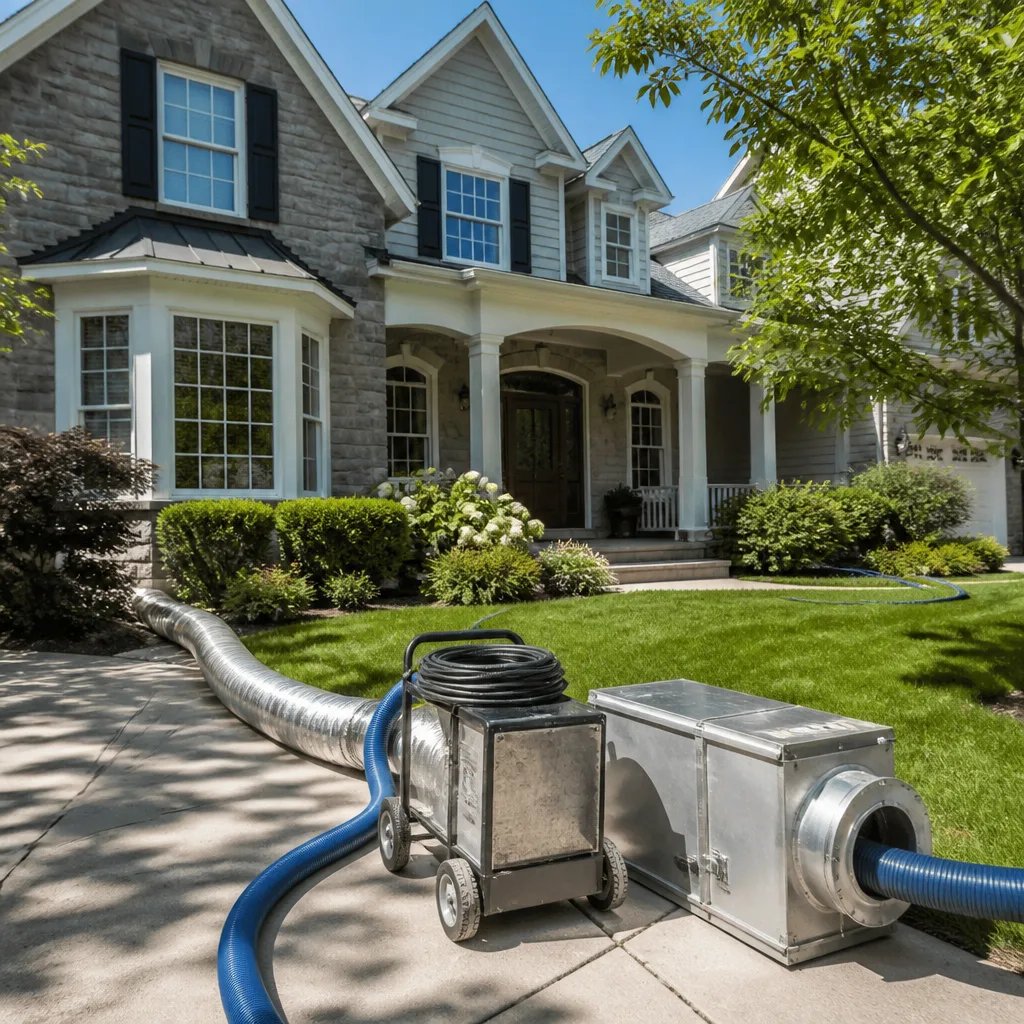
 Whole-home duct cleaning
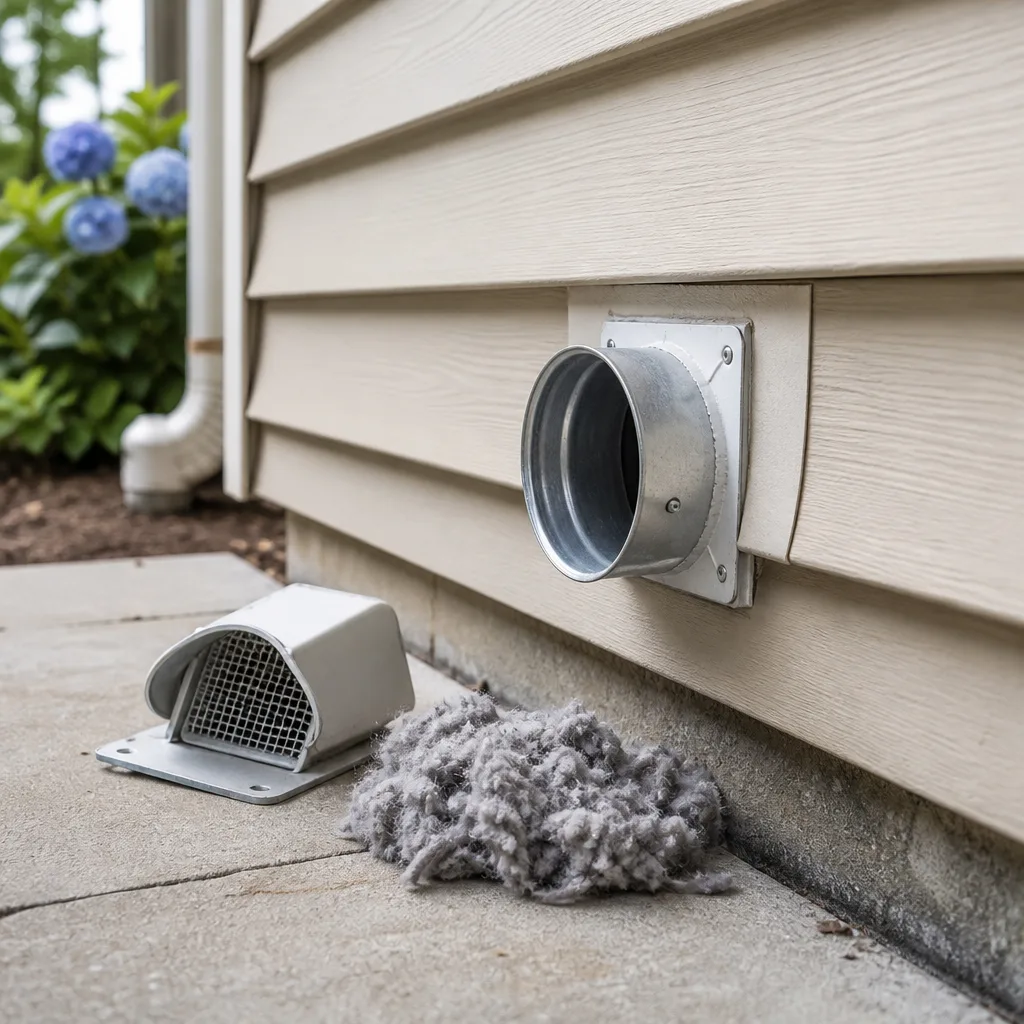 Dryer vent cleaning
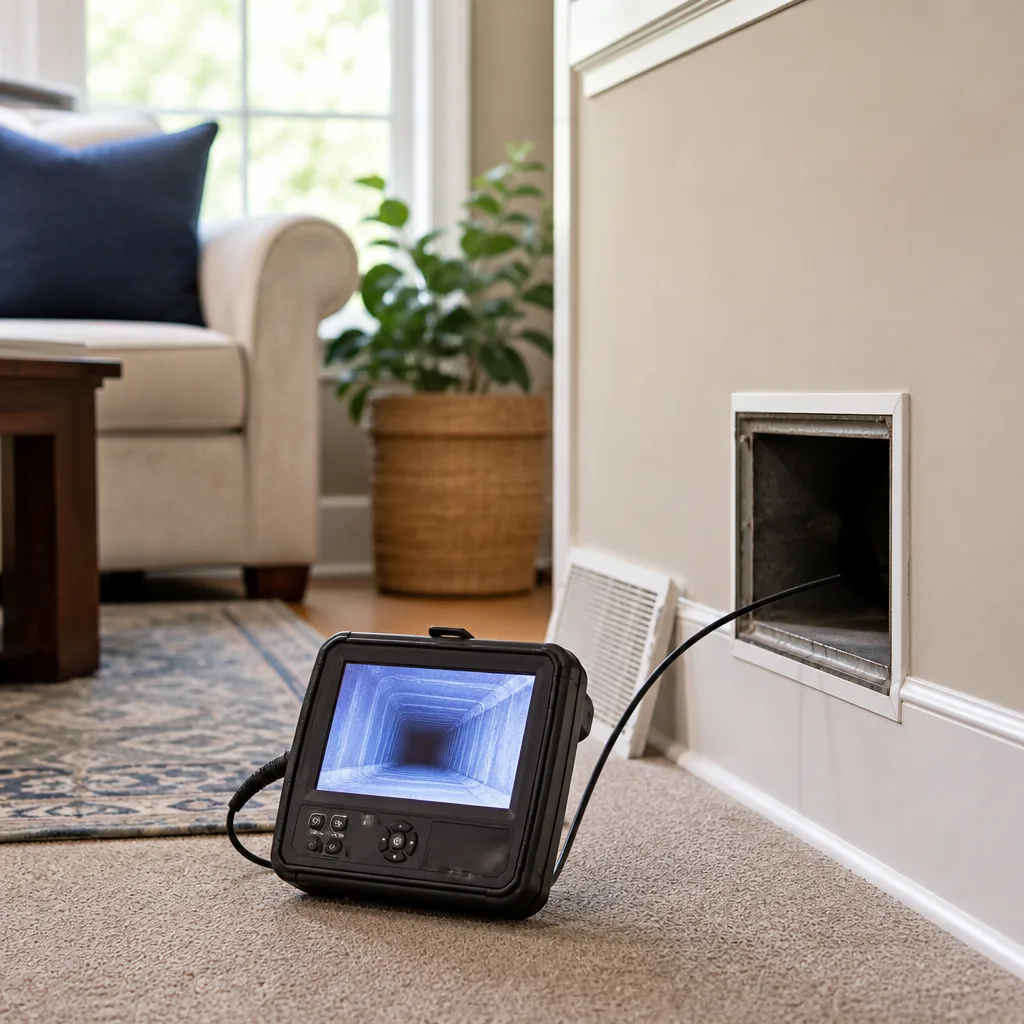 Camera inspection
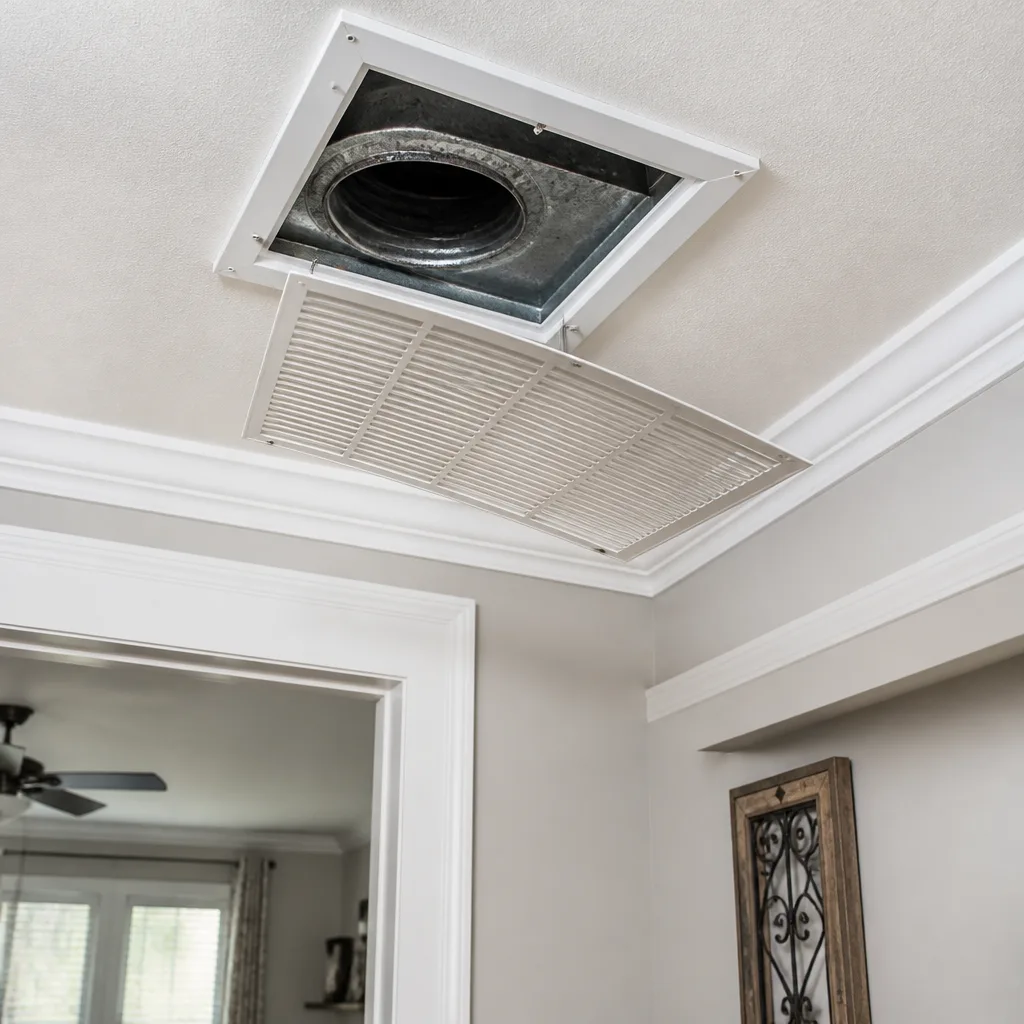 Sanitizing & deodorizing
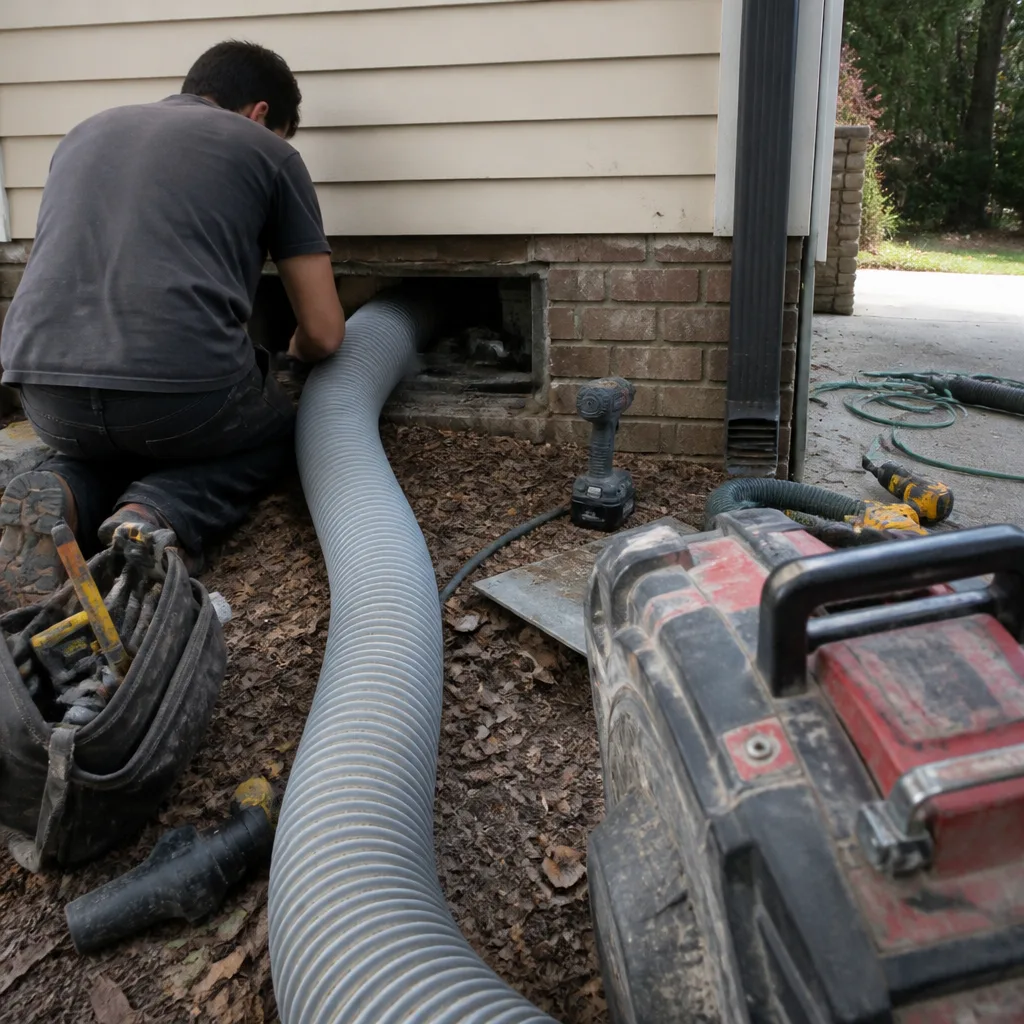
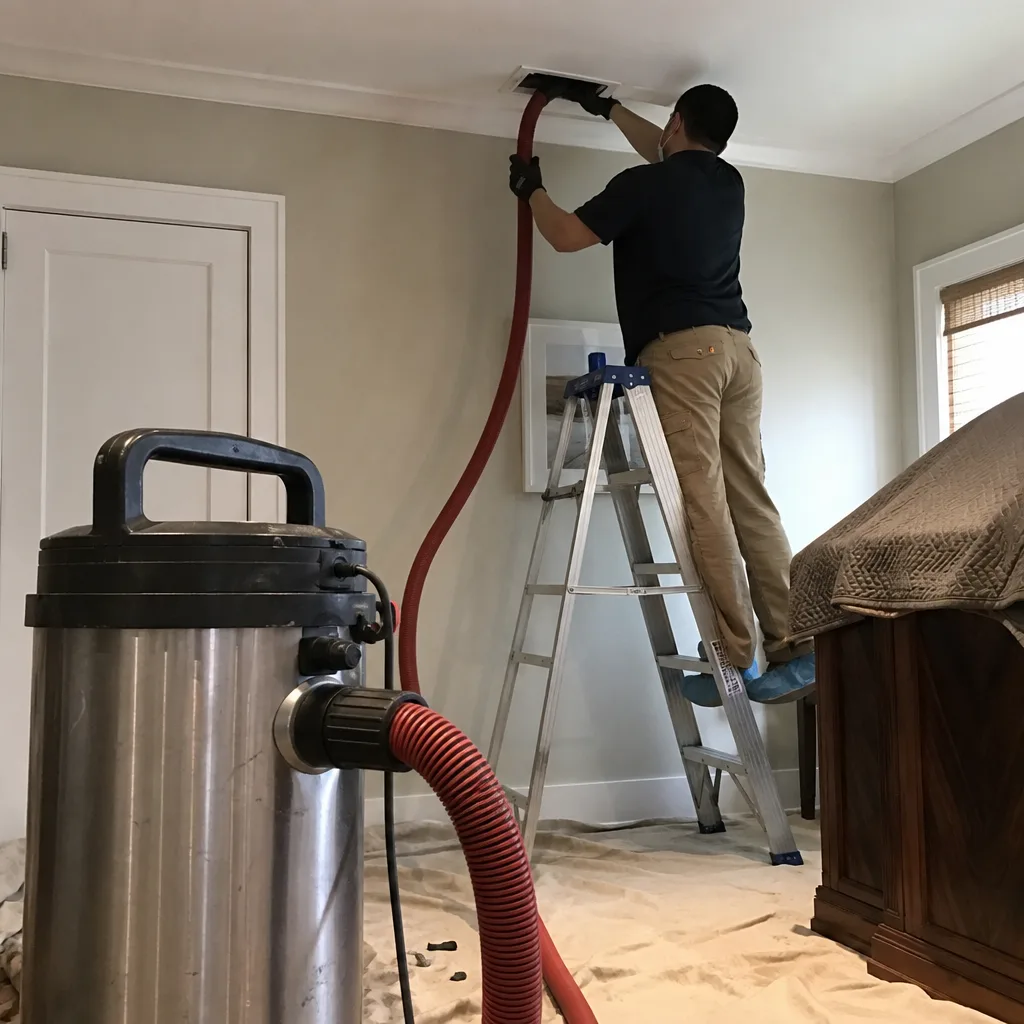
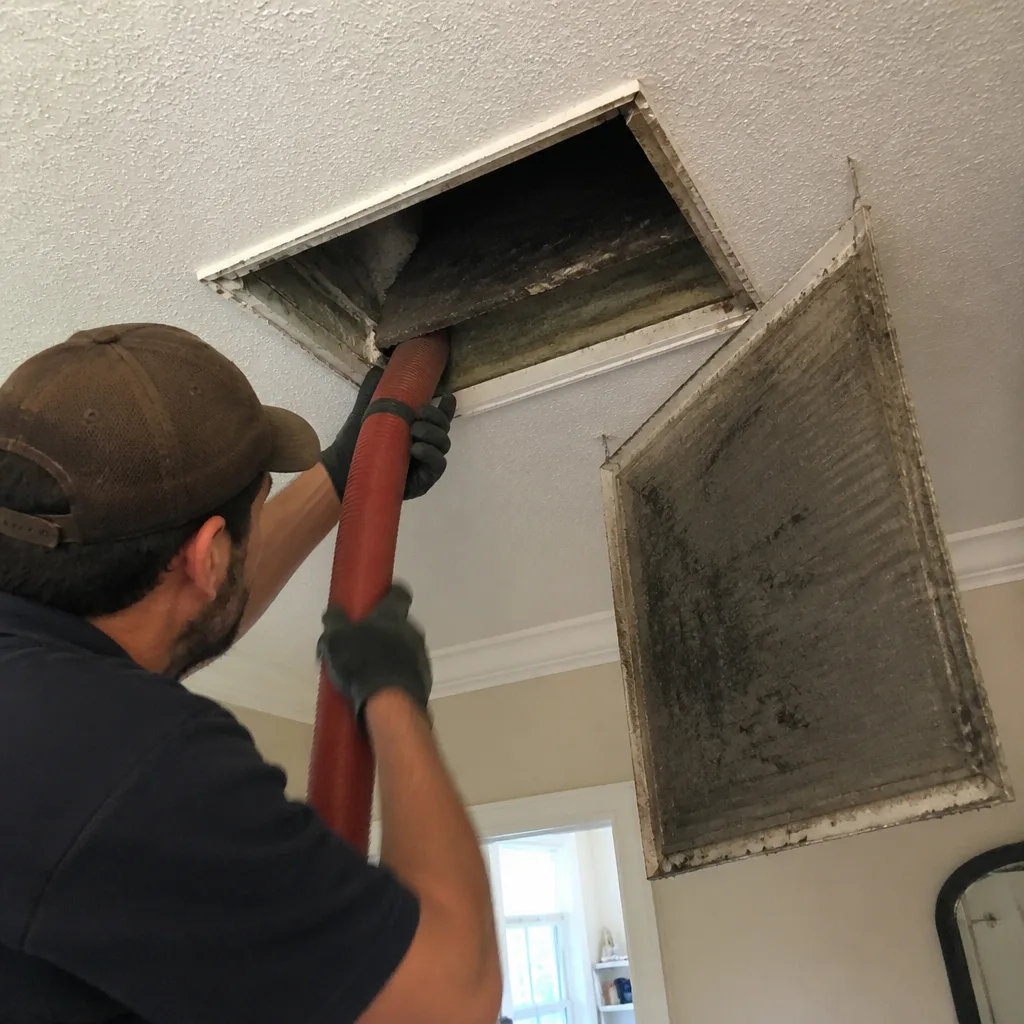
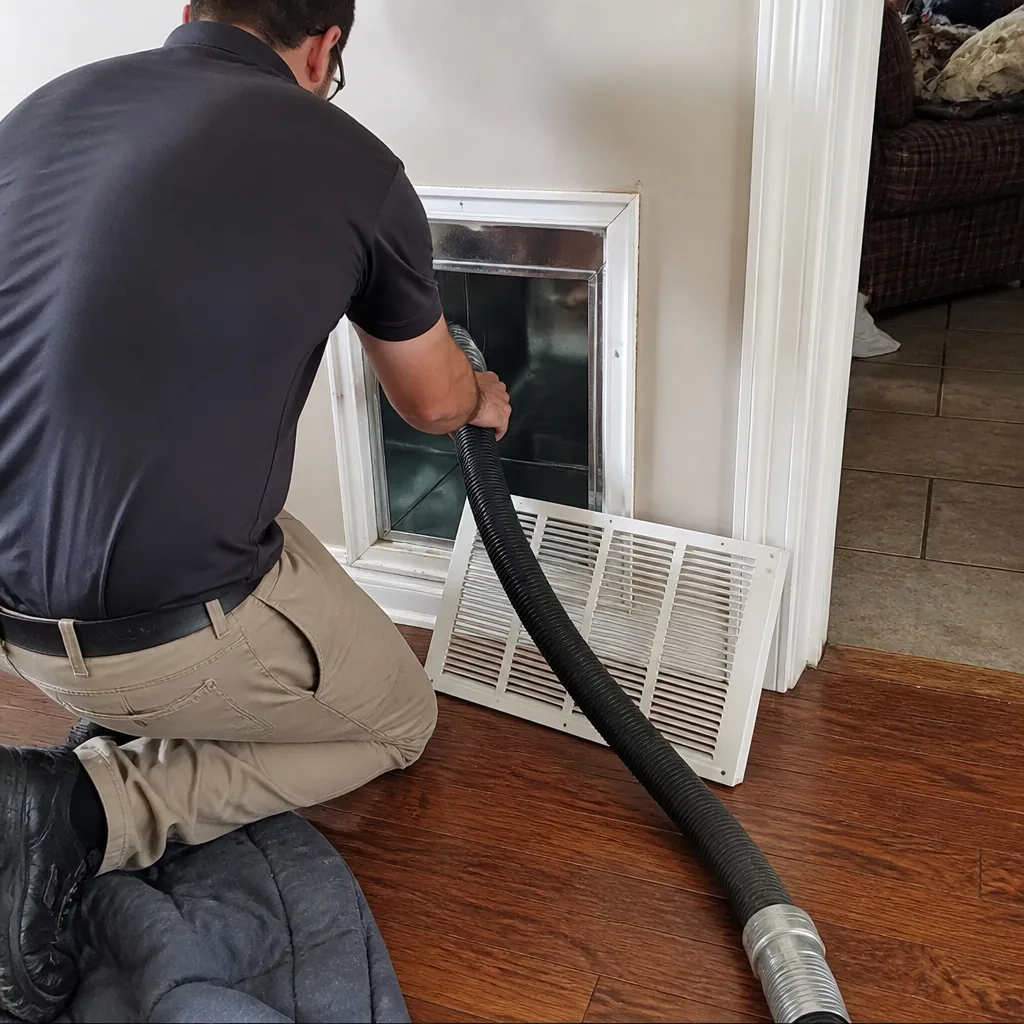
Whole-system duct and dryer vent check with before-and-after photos - you see exactly what came out of your vents
That "$99 whole-house special" is a bait ad - the real number appears once they are in your hallway, or the "clean" is a shop-vac at the register. We photograph the inside of your ducts before and after instead.
Honeywell Duct Sealing & Repair: The Sandy Springs Owner’s Guide
If you’re running a Honeywell filtration or zoning system in Sandy Springs and the ductwork around it has started leaking, failing at the seams, or pulling attic air into your supply stream, we stock Honeywell-compatible sealing materials and repair parts on the truck. Installed duct sealing and repair for Honeywell systems in Sandy Springs typically runs $350 to $750 depending on how many linear feet of duct need attention and whether we’re addressing supply or return runs. Most owners discover the problem when a room stops cooling, the Honeywell thermostat cycles more than it should, or a dust trail appears around the registers closest to the unit.
We’re an independent service provider, not affiliated with Honeywell. What that means for you: we work on Honeywell systems every week, we know which sealants and tapes hold up in Georgia attic heat, and we stand behind the repair for a year in writing. Roy Castellanos and the crew have pulled apart enough Honeywell-connected ductwork in older Sandy Springs splits to know exactly where leaks show up first.
Which Honeywell Models This Applies To
Honeywell doesn’t manufacture ductwork itself, but its filtration cabinets, bypass humidifiers, zoning dampers, and whole-house media air cleaners all connect to your duct system at specific points. The most common leak and failure zones we address in Sandy Springs homes: Honeywell TrueZONE damper flanges where they meet round duct, F100 and F200 media cabinet collars, and the flex duct joints running to Honeywell bypass runs. If your system has a Honeywell HZ322 or HZ432 zoning panel, those damper connections are usually the first suspect.
Here’s the compatibility gotcha most homeowners run into: Honeywell zoning dampers come in round and rectangular frames, and the rectangular dampers (used in a lot of 1980s and 1990s Sandy Springs construction) have different flange depths than the current round models. Measure the damper face width and depth before ordering anything. For sealing work, we use commercial-grade mastic and UL 181-rated tape matched to the surface, not the hardware-store vinyl tape that dries out and peels inside two Georgia summers. On the OEM-versus-aftermarket question: for Honeywell damper motors and actuator assemblies, we recommend OEM. The aftermarket copies we’ve tested don’t hold calibration on Honeywell panels reliably. For gaskets, collars, and sealing materials, quality aftermarket equivalents do the job.
Styles & brands we work with
Signs Your Honeywell Duct Sealing & Repair Is Failing
- One room won’t hold temperature while the rest of the house is fine. A Honeywell zone damper blade isn’t seating properly, or the duct feeding that room has separated at a seam. Air you paid to condition is ending up in the attic instead of the bedroom.
- Whistling or hissing near the indoor unit or registers when the blower runs. Air is escaping through a narrow gap, usually at a collar, damper flange, or takeoff connection. The noise is the air telling you where the leak is.
- The Honeywell thermostat shows the right temperature but the room feels stale or humid. Return ductwork is pulling unconditioned attic air into the system, so the unit is cooling air that was never supposed to be in the loop. Sandy Springs humidity makes this one worse in summer, and you feel it before you see it.
- Dust streaks or grey smudges on the ceiling near supply registers. Air is bypassing the filter and carrying attic particulate through a failed seal. If you’ve got a Honeywell media cabinet, check the seam where the cabinet collar meets the plenum first.
- Energy bills climb during a mild season with no change in usage. Leaky ducts force the system to run longer to hit setpoint. The leak didn’t announce itself with a bang, most of them don’t. It’s a slow bleed that adds up month over month.
See the difference
 Before
 After
 Before
 After
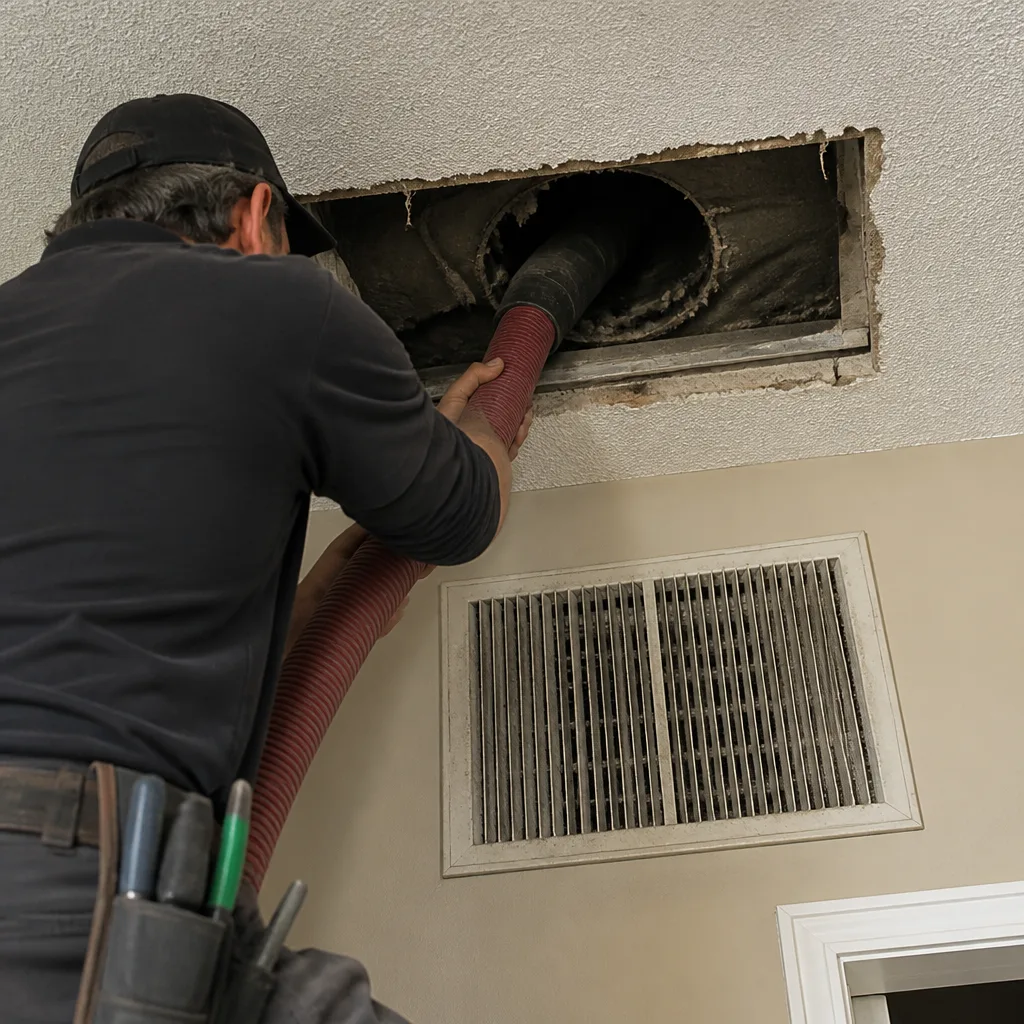 Before
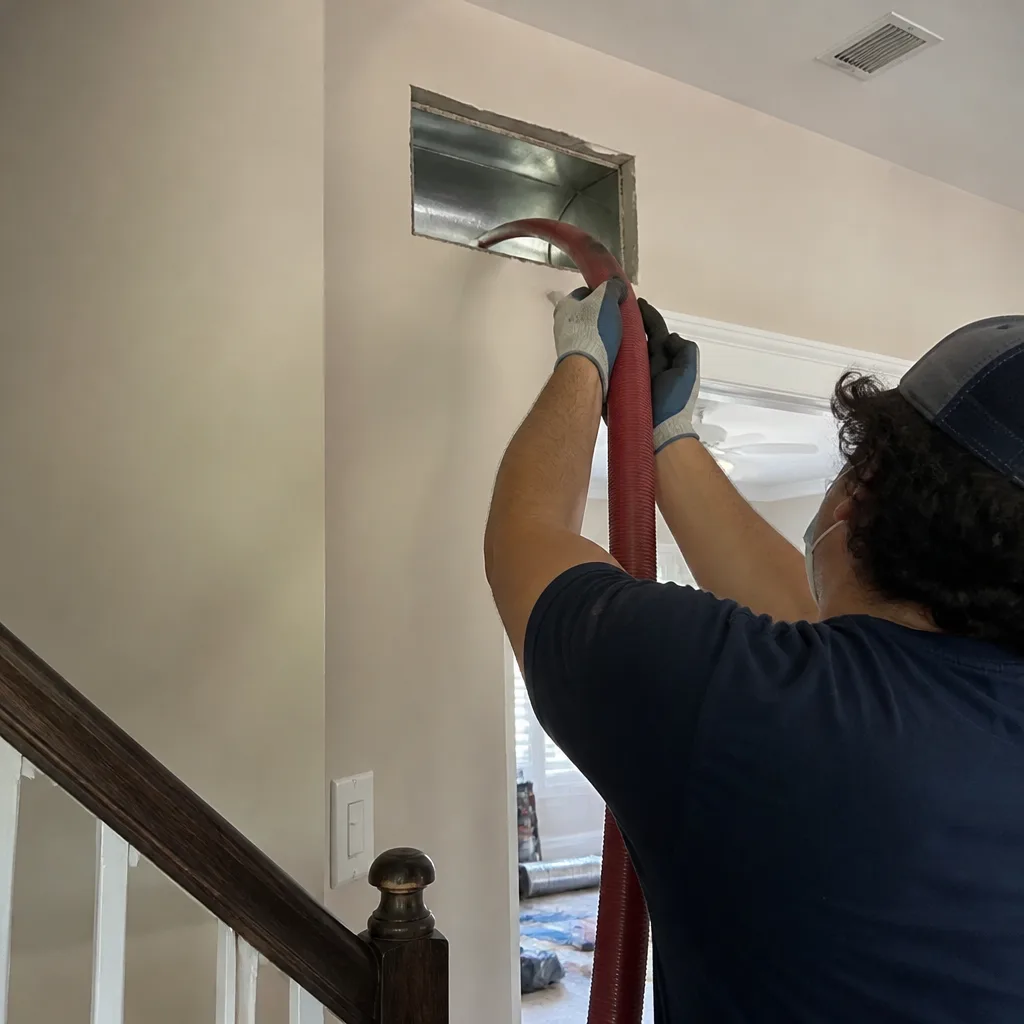 After
Replacement Cost & What’s Included
For Honeywell duct sealing and repair work in Sandy Springs, here’s the honest pricing picture:
- Single damper flange reseal or collar repair: $175 to $300, including mastic, tape, and labor.
- Full supply or return run reseal in an accessible attic: $350 to $550, depending on linear feet and how much cleaning is needed before sealant bonds.
- Honeywell damper motor or actuator replacement with duct sealing at the connection: $400 to $750 installed, OEM part included.
What drives the range: access (crawlspace work takes longer than open attic), how many joints need attention, and whether we’re replacing a failing damper component or just resealing what’s still sound. The price you get is written down before we touch anything, and it doesn’t move at the door. That’s The Garrison Standard, and it’s not negotiable in our shop. Every repair is covered by the 365-Day Done Right Promise: if the seal fails or the repair doesn’t hold within a year, we come back and make it right at no charge, including the second visit.
DIY or Call Us?
Here’s our straight read. You can safely do two things without touching anything dangerous: look at the visible duct seams in your attic or crawlspace for separated joints, and note which rooms feel off. That information helps us quote the job faster when you call. What you should not do is climb into a Sandy Springs attic in August and start peeling tape off ductwork while the system runs. Attics hit 130 degrees here in summer. You’ll sweat through a shirt in ten minutes, and more importantly, you can’t properly seal a joint while contorted around a truss without the right mastic, the right prep, and the patience to do it once.
If the Honeywell damper motor itself has failed, that’s an electrical component tied into your zoning panel. Wrong wiring or a mismatched actuator can damage the panel. We’ve fixed enough mismatched DIY damper jobs to say it plainly: this one’s cheaper to have done right the first time. Call (229) 489-7780 and we’ll give you a written price before any work starts.
FAQs
Properly applied mastic and UL 181 tape on clean, prepped ductwork lasts 10 to 15 years in Georgia attic conditions. The failures we see in Sandy Springs are almost always from the original install using cheap tape that cooked brittle, not from sealant wearing out. Call (229) 489-7780 and we’ll tell you what’s actually on your ducts right now.
It depends on what failed. If the flange seal is leaking but the motor and blade still respond to the Honeywell zoning panel, we can reseal and keep the damper in service. If the motor is dead or the blade is warped, replacement is the only repair that will hold to our year-long standard. We’ll show you what we find before we recommend anything.
Most Honeywell duct sealing and damper repair jobs in Sandy Springs take two to four hours on site, including setup, prep, sealing, and testing airflow at each register we touched. Bigger resealing jobs on whole supply runs can run longer, but we’ll give you a time window in writing before we start.
Yes. We keep Honeywell damper motors, actuator assemblies, gaskets, and sealing materials on the truck for common TrueZONE and media cabinet setups. If you’ve got an older or uncommon Honeywell configuration, we source the OEM part same week and schedule the repair once it’s in hand. We also carry parts for Lennox, Trane, and Carrier systems, so if your Honeywell component ties into another brand’s equipment, we can usually handle the whole job in one visit.
Written by Roy Castellanos, Owner, Hollis Air Duct Sandy Springs at Hollis Air Duct Sandy Springs, serving Sandy Springs and nearby areas.