
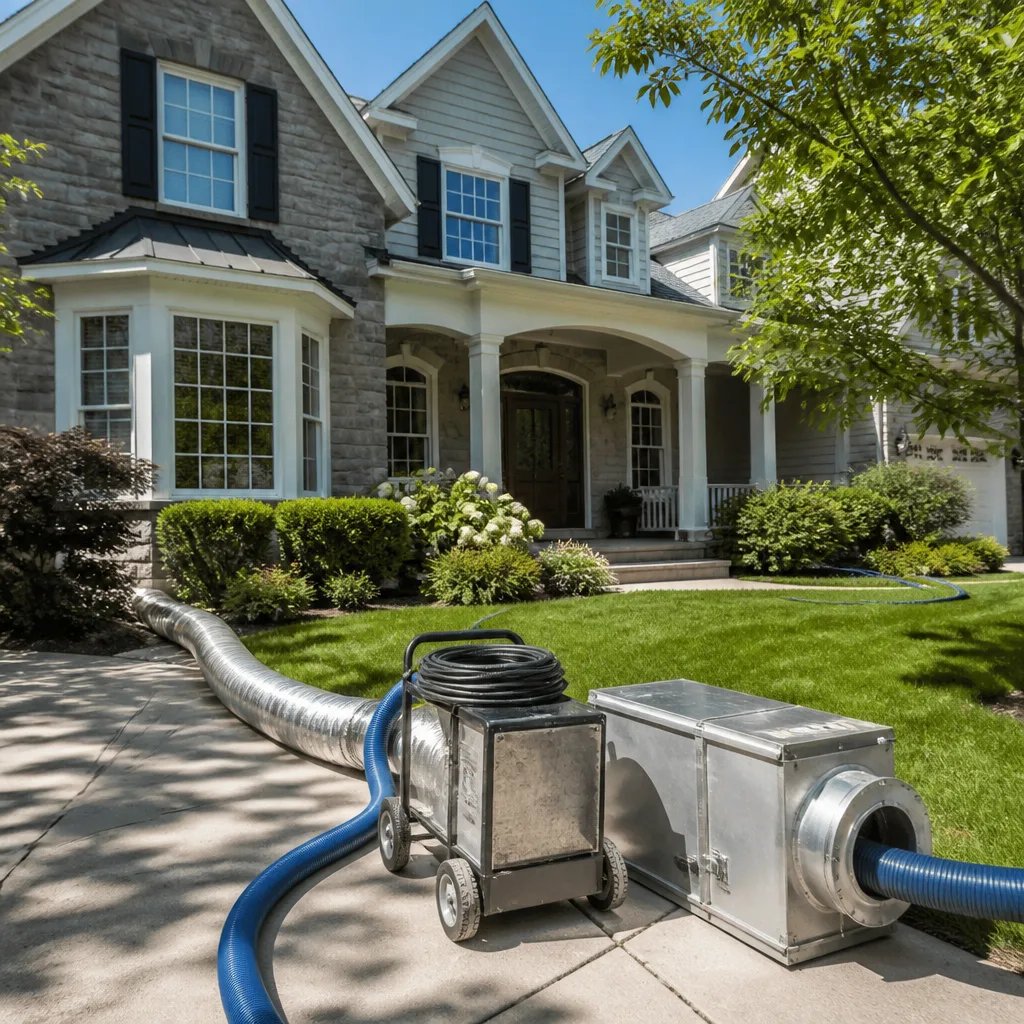
 Whole-home duct cleaning
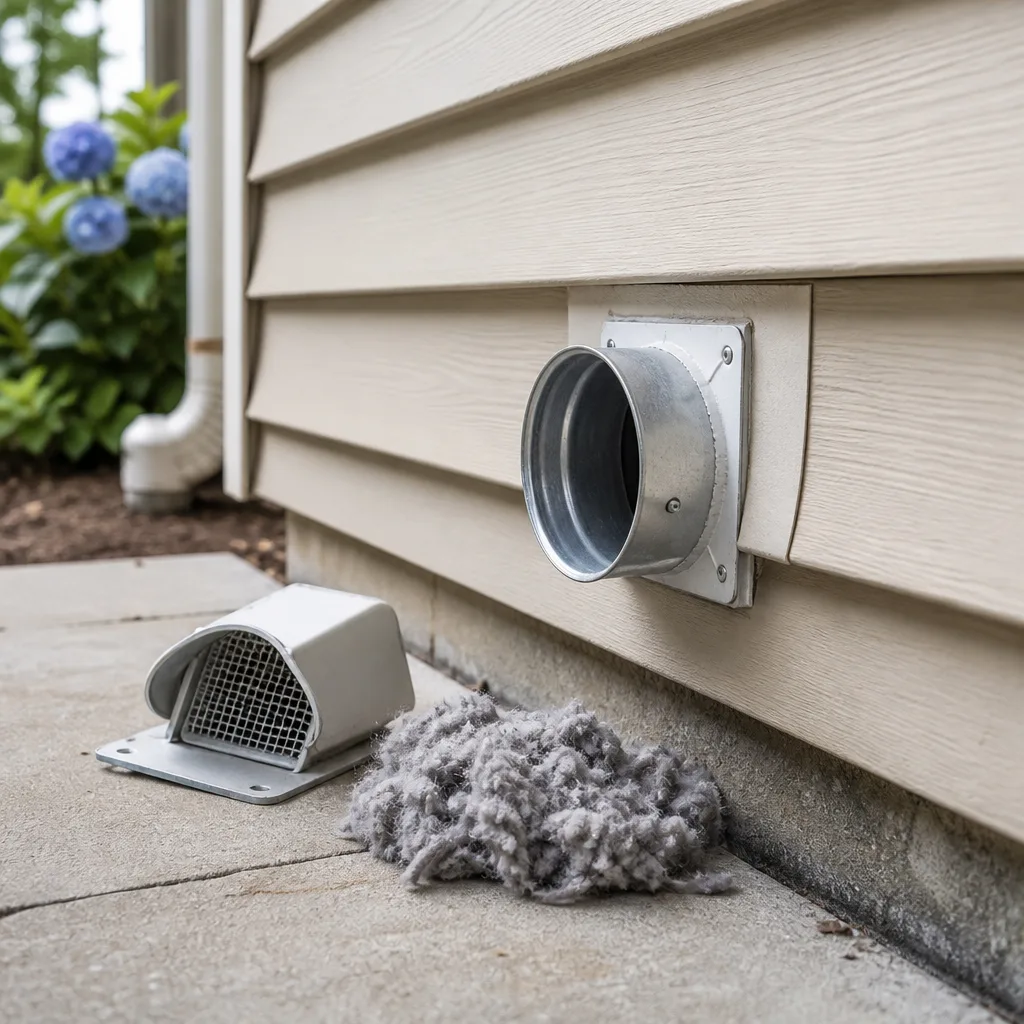 Dryer vent cleaning
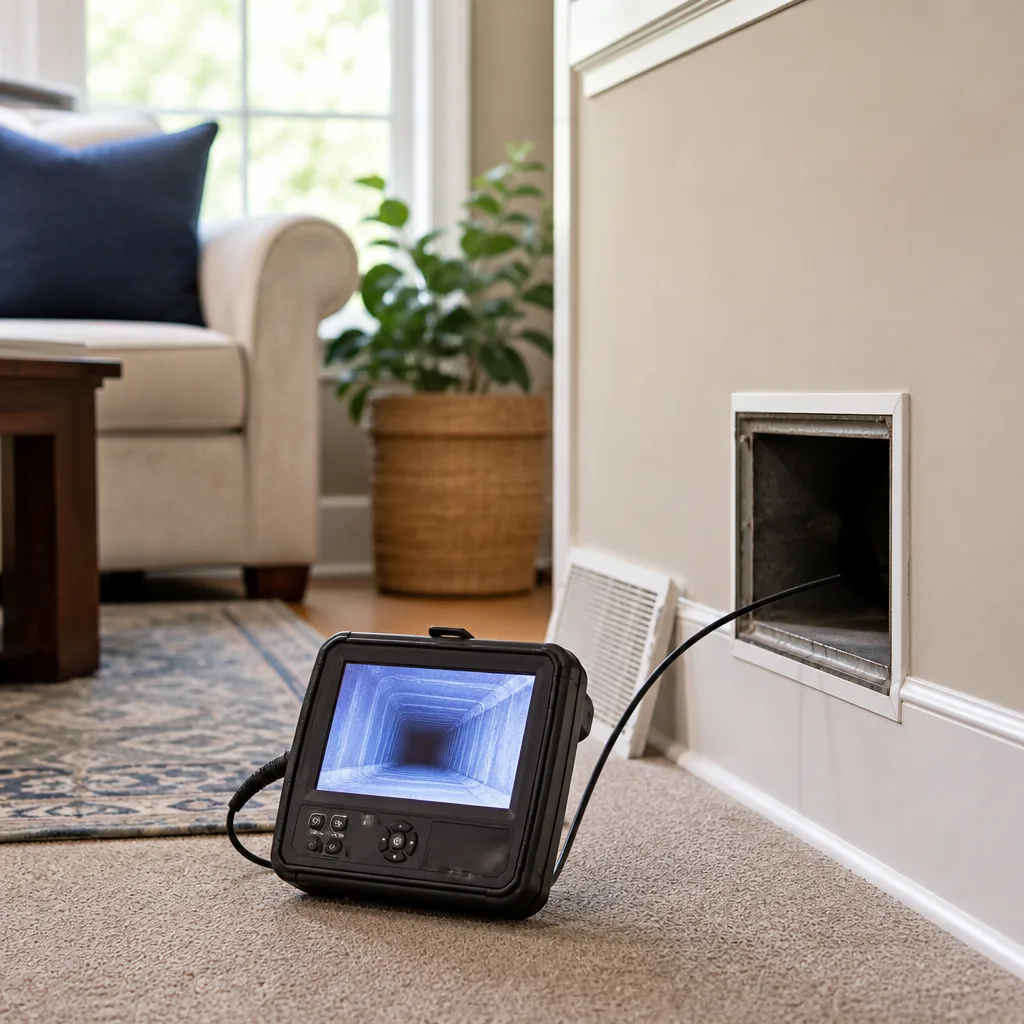 Camera inspection
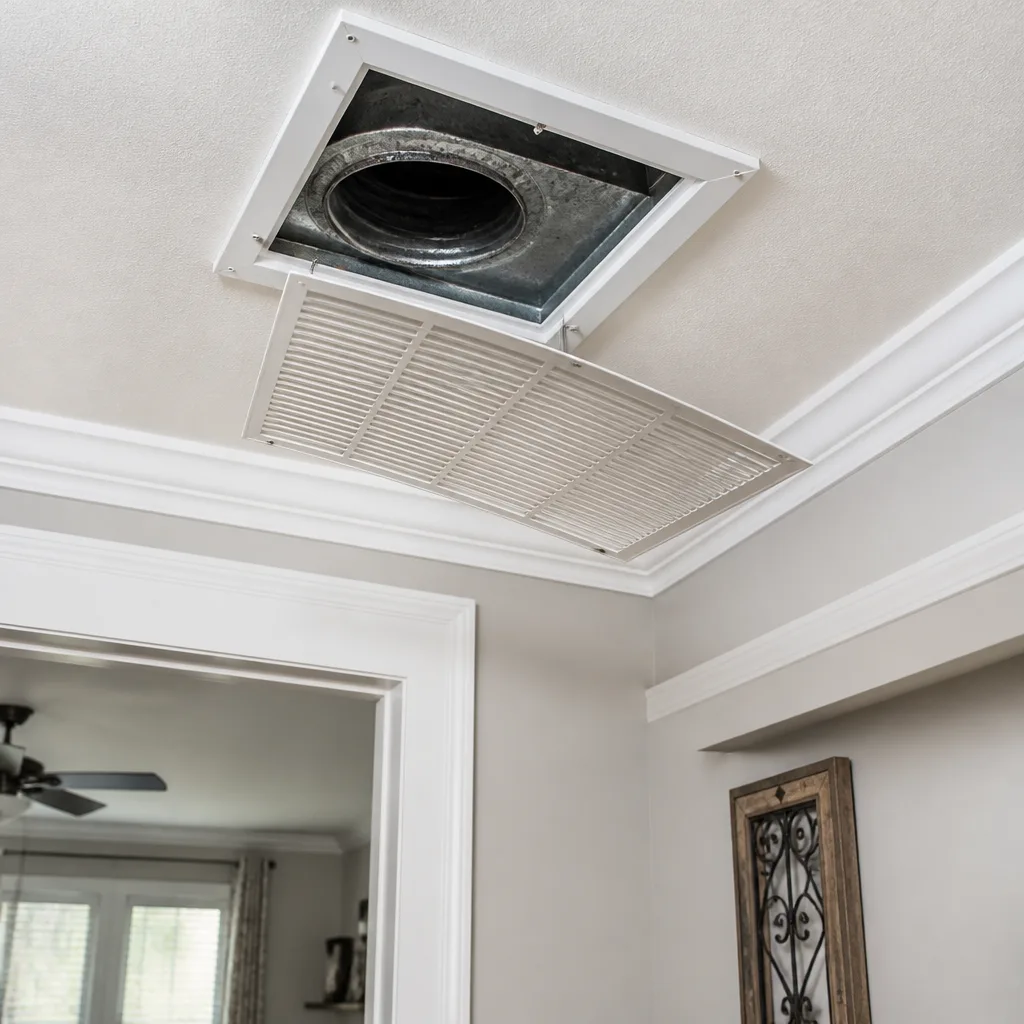 Sanitizing & deodorizing
Whole-system duct and dryer vent check with before-and-after photos - you see exactly what came out of your vents
That "$99 whole-house special" is a bait ad - the real number appears once they are in your hallway, or the "clean" is a shop-vac at the register. We photograph the inside of your ducts before and after instead.
Rotobrush Vent Sanitizing: The Sandy Springs Owner’s Guide
If you own a Rotobrush system and the vent sanitizing function has quit, we can get it fixed. We stock Rotobrush-compatible sanitizing parts in Sandy Springs and typically complete the swap for $190 to $340 installed, depending on your model and whether the pump, nozzle, or reservoir has failed. Most owners discover the problem the same way: you prime the system, pull the trigger, and nothing comes out, or the mist is weak and uneven instead of a fine fog.
What you’re dealing with is a low-pressure delivery system that meters sanitizer through a nozzle assembly. When it works, it lays down a consistent antimicrobial mist across the interior of the duct. When it doesn’t, you’re just pushing dry air, which means the sanitizing step of your cleaning job isn’t happening at all. That’s not a maintenance annoyance. That’s a skipped function on a machine you rely on for paid work or for keeping your own home’s air clean.
Key Takeaways
- Installed replacement cost in Sandy Springs runs $190 to $340 for most Rotobrush sanitizing components.
- We carry Rotobrush-compatible parts on the truck and can usually diagnose and complete the swap in a single visit.
- Most failures trace to either a clogged nozzle, a worn pump diaphragm, or a cracked reservoir fitting.
- Hollis Air Duct Sandy Springs is an independent service provider, not affiliated with Rotobrush itself.
- Every repair is covered in writing by the 365-Day Done Right Promise.
Which Rotobrush Models This Applies To
The vent sanitizing system shows up on the Rotobrush aiR+ series, the Rotobrush 4000-series units, and several of the legacy Rotobrush Patriot and Rotobrush Viper models. The functional design hasn’t changed dramatically across generations: a small diaphragm pump draws sanitizer from a tank and pushes it through a length of tubing to a spray tip mounted at the brush head or at the end of the hose assembly. What does vary is the fitting style and the voltage supplied to the pump.
Here’s the compatibility gotcha most owners hit: the older Viper and Patriot platforms use a 12V pump with barbed push-on fittings, while aiR+ units typically use a quick-connect coupler and a 24V pump. They look close enough at a glance that buying the wrong one online is common. If you can read the label on your pump or measure the fitting diameter, we can match it before you spend a dollar. We stock both configurations in Sandy Springs, plus quality aftermarket equivalents where the OEM part is overpriced for what it is. For a homeowner running a machine a few times a year, a decent aftermarket pump with the same flow rating will do the job. For a pro running it daily, we’ll tell you straight which option holds up.
We also stock compatible nozzles, reservoirs, and tubing for Lennox, Trane, and Carrier-branded sanitizing attachments, but Rotobrush is what most people in this area own.
Styles & brands we work with
Signs Your Rotobrush Vent Sanitizing Is Failing
You’ll usually notice one of these five things before the system stops working entirely:
- Weak or sputtering mist at the nozzle. The pump diaphragm is losing its seal and can’t maintain pressure. This gets worse over a few weeks, not all at once.
- Nothing sprays but you can hear the pump running. Either the pickup tube has come off the reservoir fitting or the nozzle is clogged with dried sanitizer. Hard water in Sandy Springs makes the latter more common than you’d think.
- Sanitizer leaking from under the reservoir cap or at the line fitting. The plastic fittings crack with age and UV exposure, especially if the unit rides in a truck bed or sits near a garage window.
- The pump runs constantly and the reservoir level never drops. This is a failed check valve or an air leak at the intake side. You’re moving air, not liquid.
- Burning smell or the pump doesn’t run at all. That’s an electrical failure at the pump motor or a blown inline fuse. This is also where we tell people to stop and call us, because wiring around a bad motor on a chemical delivery system isn’t a homeowner repair.
See the difference
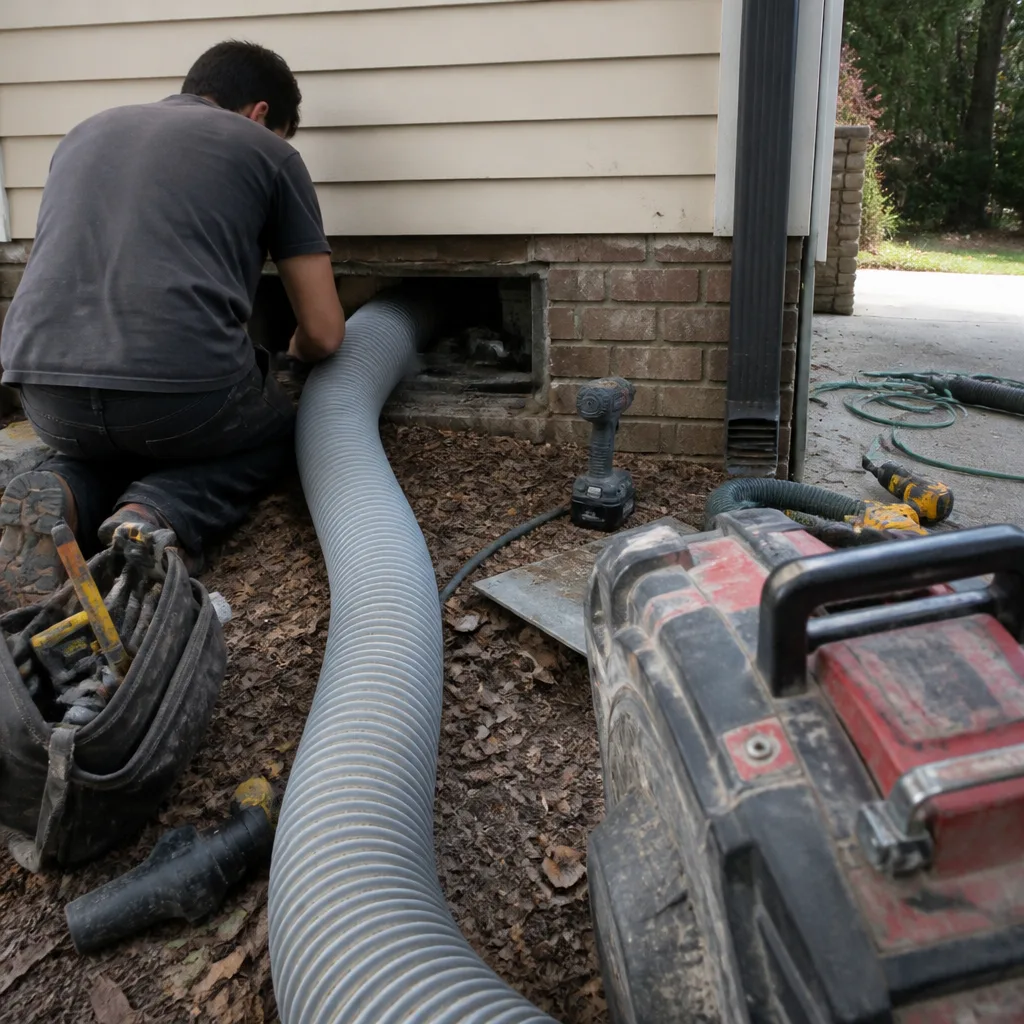 Before
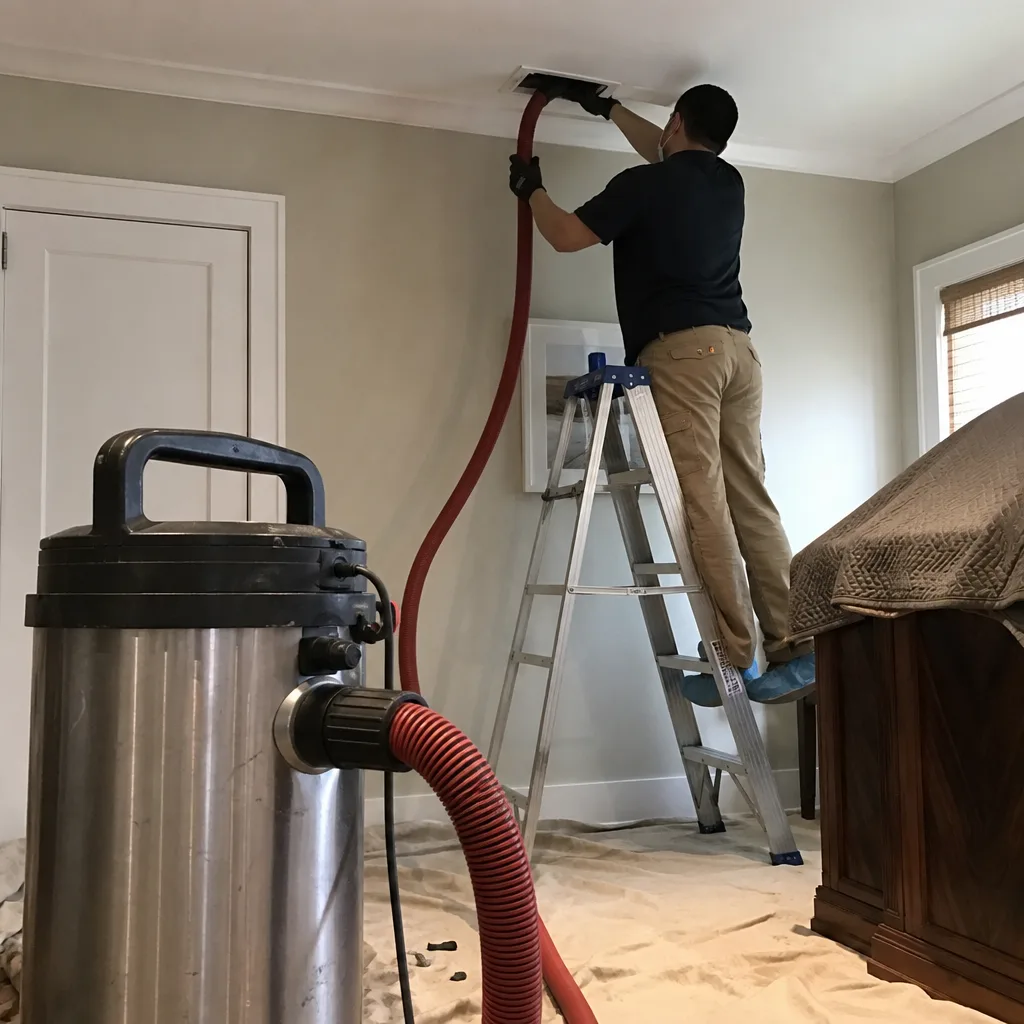 After
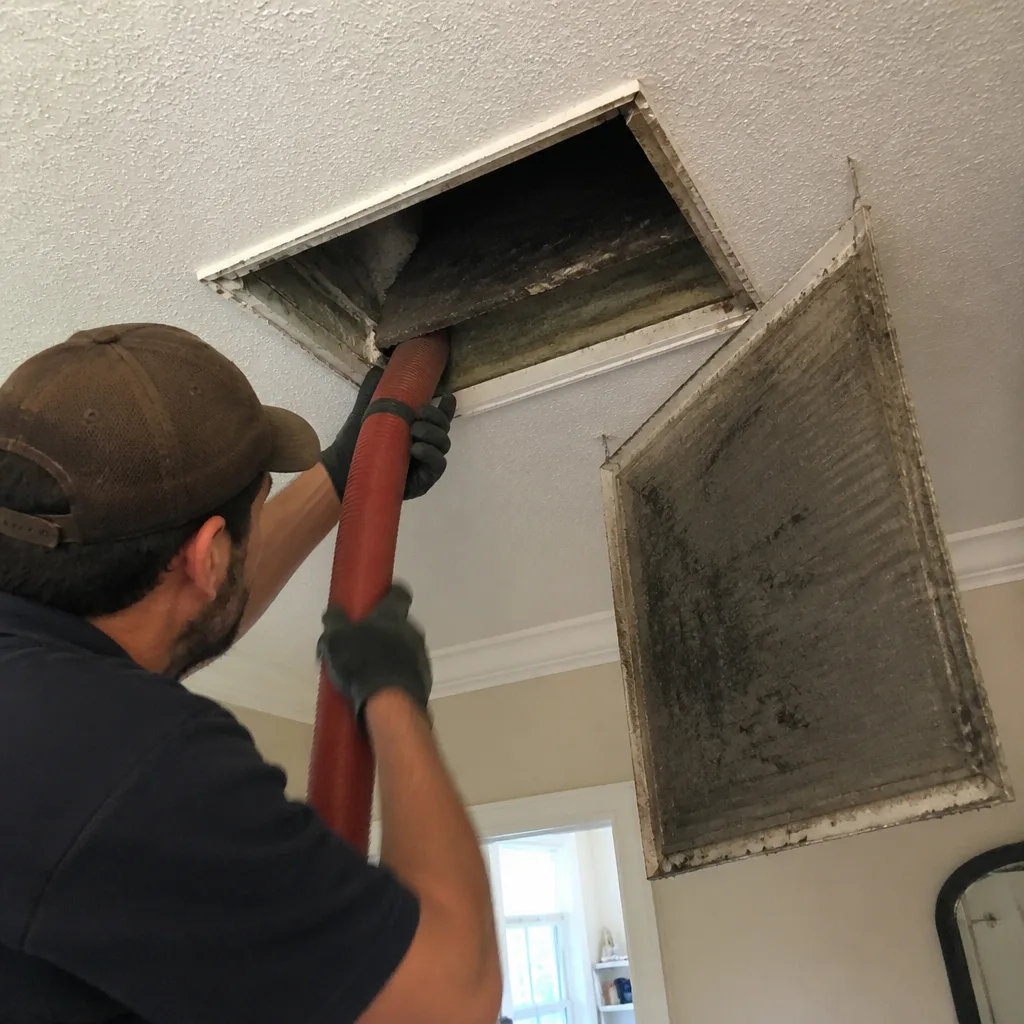 Before
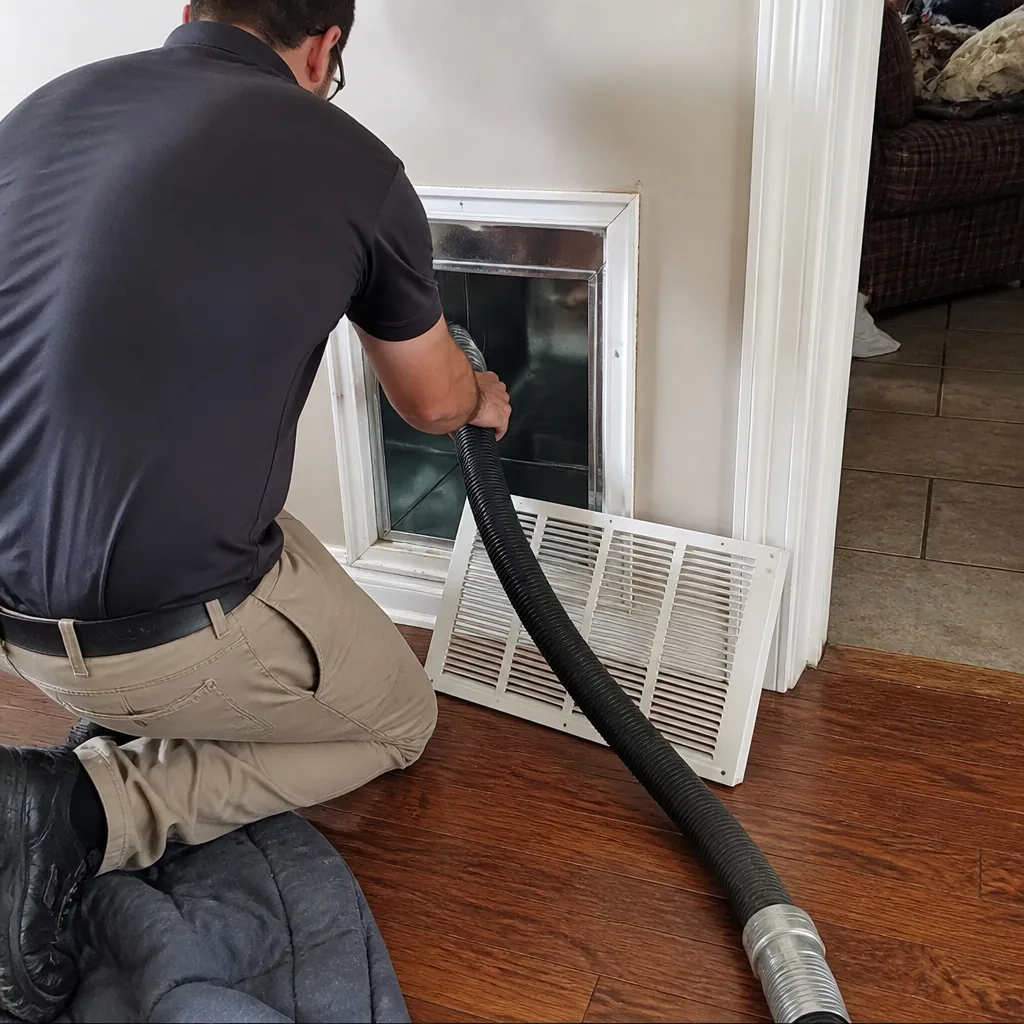 After
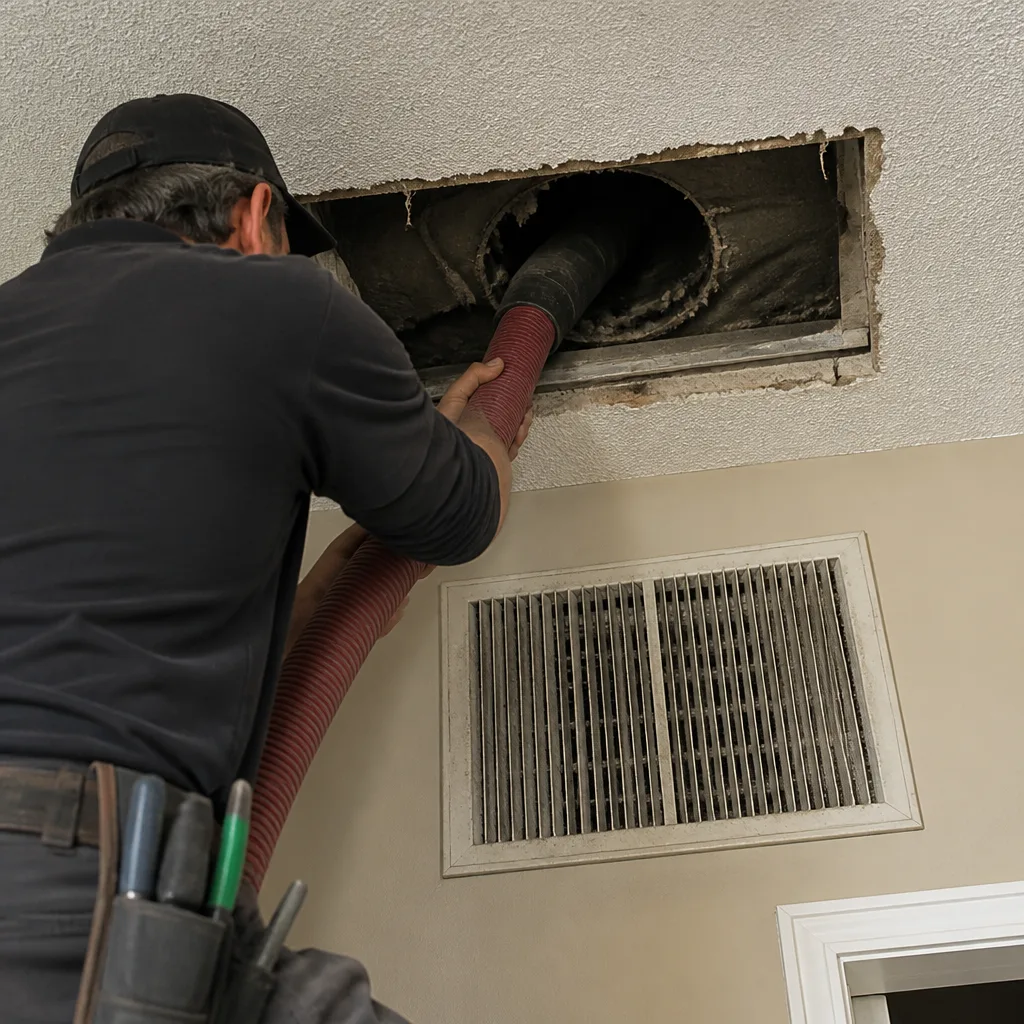 Before
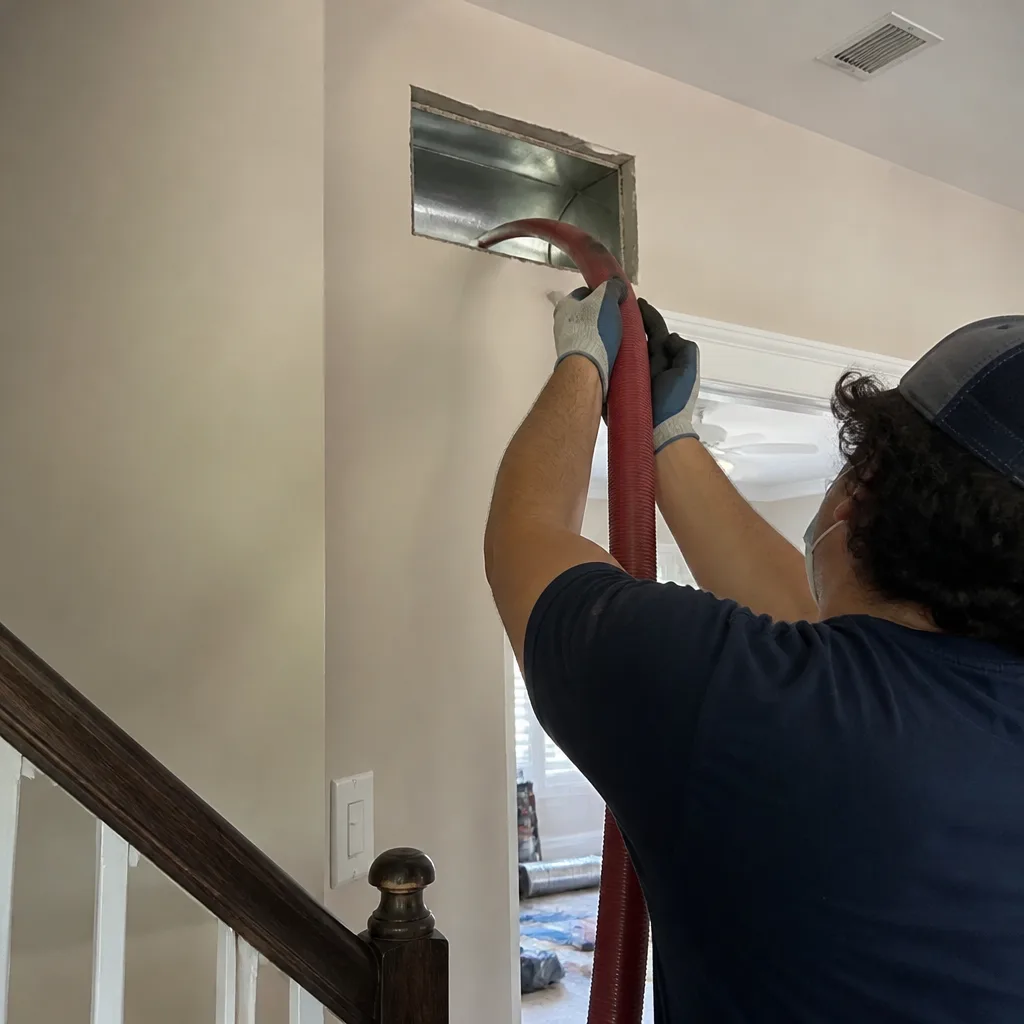 After
Replacement Cost and What’s Included
Here in Sandy Springs, expect to pay:
- Nozzle, pickup tube, or fitting replacement: $85 to $140 installed
- Pump replacement (aftermarket equivalent): $140 to $210 installed
- Pump replacement (Rotobrush OEM): $210 to $280 installed
- Full sanitizing assembly (pump, reservoir, nozzle, lines): $280 to $340 installed
The range reflects which part failed and whether you want the OEM tag or a quality aftermarket equivalent that does the same job for less. You get a written price before we touch anything, and that price includes the part, the labor, and testing with sanitizer in the tank to confirm a clean, even spray before we pack up. The whole repair is covered by our 365-Day Done Right Promise: if that sanitizing system fails within a year of the repair, we come back and make it right at no charge.
DIY or Call Us?
You can safely check two things. First, look at the pickup tube inside the reservoir and confirm it’s still attached to the fitting and that the tube isn’t cracked. Second, run clean warm water through the system and watch whether the spray pattern looks even. If it’s just a loose tube, push it back on and you’re done.
Beyond that, this gets harder than most people expect. The pump and the wiring sit inside a housing that’s not fun to open. The nozzle tips are small and easy to cross-thread or snap. And you’re working with a chemical delivery system, which means a leak behind the cover can put sanitizer somewhere it shouldn’t be. If the pump is weak, leaking, or dead, call us at (229) 489-7780. We diagnose it in front of you, quote the fix in writing, and usually have the part on the truck.
FAQs
The pump typically lasts 5 to 7 years under regular use, though in Sandy Springs the bigger killer is downtime. Units that sit for months between jobs tend to develop stuck check valves and dried sanitizer in the nozzle, which shortens the effective life well below the component’s rating.
If you run your system at least a few times a year, you’ll get more usable years out of it than someone who lets it sit in a humid Georgia garage from November to March. Call (229) 489-7780 and we’ll give you a straight read on whether yours is worth rebuilding.
Sometimes, yes. A clogged nozzle can usually be soaked and cleared rather than replaced. A pump with a torn diaphragm cannot be reliably rebuilt, and we won’t sell you a rebuild kit that fails in three months. We’ll tell you which applies to your unit and show you the part before we install anything.
Most vent sanitizing component swaps take 45 to 90 minutes from the time we put eyes on the machine to the time we test it with sanitizer in the tank. The pump swap itself is fast; the testing and the cleanup is where we don’t cut corners.
We stock the common items in our Sandy Springs service area: nozzles, pickup tubes, reservoirs, fittings, and both 12V and 24V pumps. If you have a less common configuration, we can usually have the exact part within a couple of business days and the written quote before you commit to anything.
Written by Roy Castellanos, Owner, Hollis Air Duct Sandy Springs, serving Sandy Springs and nearby areas.